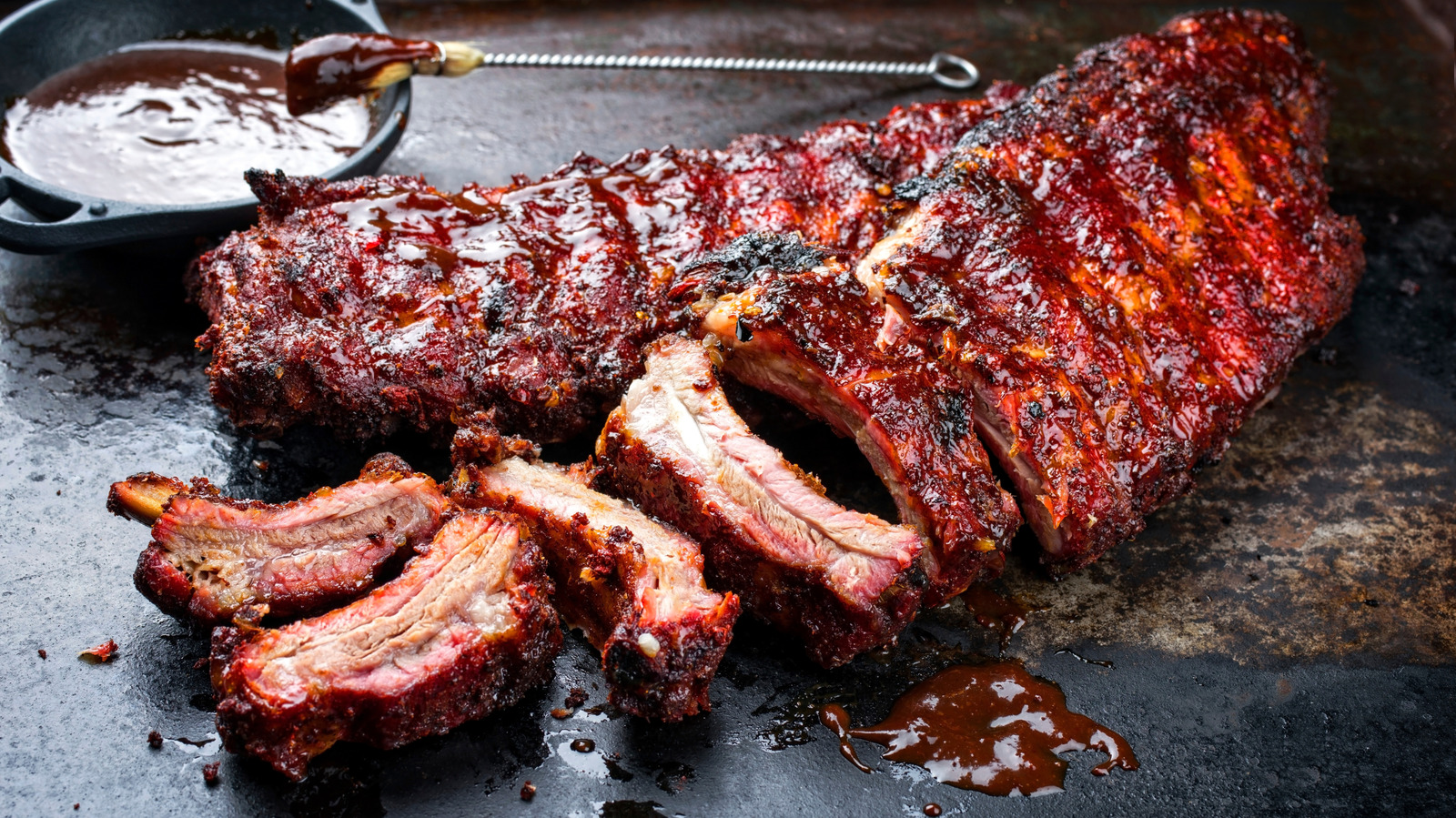
"Freeze ribs as soon as they reach room temperature - even cooked meat left out for more than two hours can develop harmful bacteria. You'll also want to ensure the meat freezes quickly. Apart from the food safety aspect, a fast freeze will help prevent ice crystals from forming, which can negatively affect the texture."
"Long-term storage relies not just on consistently cold temperatures but also on protecting your meat from exposure to air, as this is what will lead to freezer burn. If you have access to a vacuum sealer, this is the best way to prepare your ribs for the freezer. Meat stored this way will be safe for 12 months, but should be eaten within three months for the best taste."
"When it comes to maintaining your ribs' taste and texture, how you reheat them is just as important as how you freeze them - and the same low and slow cooking process that resulted in fall-apart meat should be reflected here too."
Cooked ribs can be successfully frozen for long-term storage by following proper food safety guidelines. Ribs must be frozen as soon as they reach room temperature, as cooked meat left out for more than two hours can develop harmful bacteria. Cutting ribs into individual portions and spreading them flat accelerates the freezing process, preventing ice crystal formation that damages texture. Protection from air exposure is critical to prevent freezer burn; vacuum sealing is ideal, but wrapping tightly in plastic or foil and placing in airtight bags works well. Properly stored ribs remain safe for twelve months but taste best within three months. Reheating requires the same low and slow cooking approach used originally to maintain tenderness and flavor.
Read at Tasting Table
Unable to calculate read time
Collection
[
|
...
]