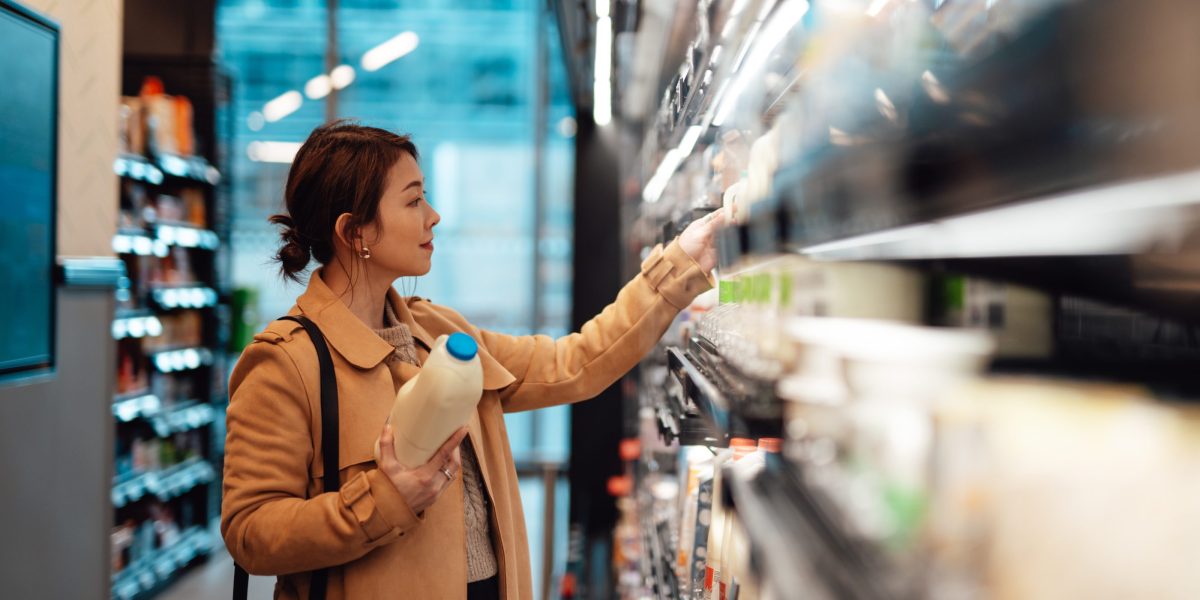
Toilet paper shortages in Venezuela in 2013 were met with claims that most people ate three or more meals a day. The explanation ignored how price controls were used to shield the public from economic breakdown. Government controls on markets disrupt demand and supply by obscuring pricing signals and causing loss-making items to leave production. When demand exceeds supply, shortages worsen and inflation rises. Food inflation in Venezuela reached 76% by the end of the failed price cap experiment. With inflation concerns spreading, Scotland announced plans to cap prices of essentials like bread, milk, and eggs. The UK government also considered voluntary price controls on key groceries, despite concerns that such measures are ineffective.
"Scotland announcing that it wants to cap the prices of essential items like bread, milk and eggs at a state-enforced low price. “People are struggling to buy an adequate shop to support their families,” John Swinney, the First Minister of the devolved nation, told cheering activists."
Read at Fortune
Unable to calculate read time
Collection
[
|
...
]