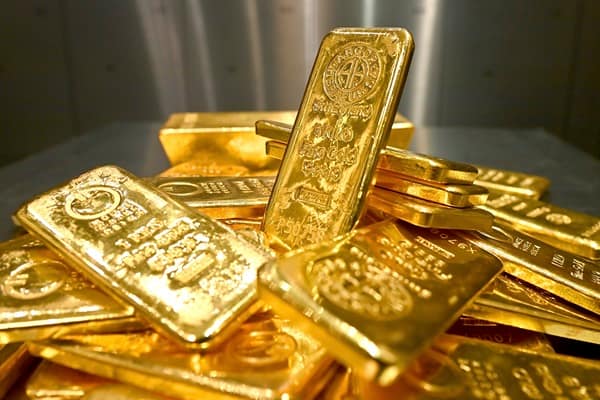
Gold faces downward pressure, trading near its lowest level in approximately one month. Energy prices significantly influence market sentiment and inflation expectations, with elevated oil levels suggesting inflation may persist longer than anticipated. This outlook reduces the probability of near-term monetary easing from the Federal Reserve, creating headwinds for gold prices. Recent ETF outflows reflect shifting investor sentiment and could continue pressuring the market. Upcoming Federal Reserve monetary policy decisions and economic projections will be critical, particularly regarding persistent inflation risks and labor market cooling. Central bank rate decisions from the euro area, Switzerland, Canada, and Japan may introduce additional volatility. However, geopolitical tensions in Eastern Europe and sustained central bank gold purchases provide potential support, maintaining the long-term bullish trend.
"Elevated oil levels are reinforcing concerns that inflation could remain sticky, reducing the likelihood of near-term monetary easing by the Federal Reserve, weighing on gold in the process. ETF outflows over recent weeks reinforce this shift in sentiment, and could weigh on the market if they continue."
"Markets are now focused on the Fed's monetary policy decision and, more importantly, its economic projections. While interest rates are expected to remain unchanged, any acknowledgement of persistent inflation risks, combined with signs of a cooling labour market, could shape expectations for the timing of future cuts."
"Other major central banks in the euro area, Switzerland, Canada and Japan will also set their interest rates in the upcoming days, potentially fuelling some volatility for gold. Still, continued tensions in Eastern Europe and sustained central bank purchases could limit downside risks for the metal, keeping the long-term bullish trend intact."
Read at London Business News | Londonlovesbusiness.com
Unable to calculate read time
Collection
[
|
...
]