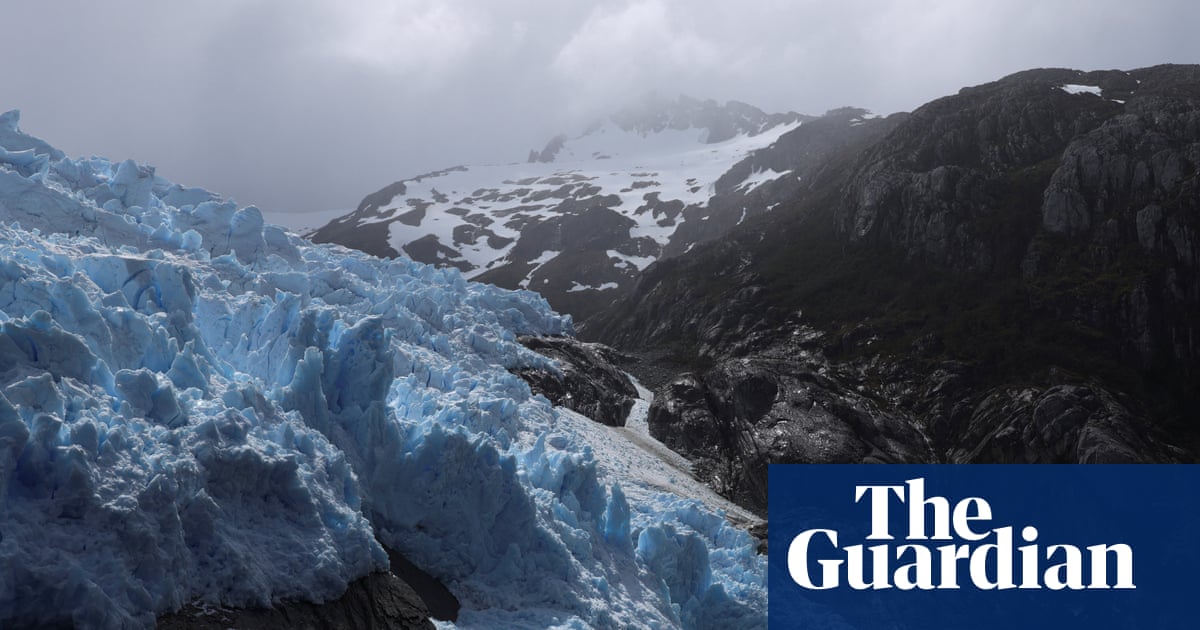
"Chile's government is poised to create the country's 47th national park, protecting nearly 200,000 hectares (500,000 acres) of pristine wilderness and completing a wildlife corridor stretching 1,700 miles (2,800km) to the southernmost tip of the Americas. The Cape Froward national park is a wild expanse of wind-torn coastline and forested valleys that harbours unrivalled biodiversity and has played host to millennia of human history."
"I have been to many exceptional places, and I can tell you that the Cape Froward project is the wildest place I have walked through, said Kristine Tompkins, the renowned US conservationist at the heart of the project. It's one of the few truly wild forest and peak territories left in the country, and the richness of the Indigenous history in the region makes a case for these territories to be preserved for all time."
"In 2023, they signed an agreement with the Chilean government to donate the land to become Cape Froward national park. In February, a population of 10 huemul, an endangered deer species, was found in the park, and a network of cameras regularly captures wild pumas and the endangered huillin, a river otter. The area also encompasses 10,000 hectares of sphagnum bogs, a spongelike moss which stores carbon deep below the ground."
Cape Froward national park will cover nearly 200,000 hectares and complete a 1,700-mile wildlife corridor to the southern tip of the Americas. The landscape includes wind-swept coastline, forested valleys, and millennia of Indigenous history alongside exceptional biodiversity. Conservation organisations stitched together state and private lands and in 2023 formalised a donation agreement with the Chilean government. Recent surveys found a population of 10 huemul deer and camera traps record pumas and endangered huillin otters. The park contains about 10,000 hectares of sphagnum bogs that sequester carbon, enhancing climate mitigation benefits.
Read at www.theguardian.com
Unable to calculate read time
Collection
[
|
...
]