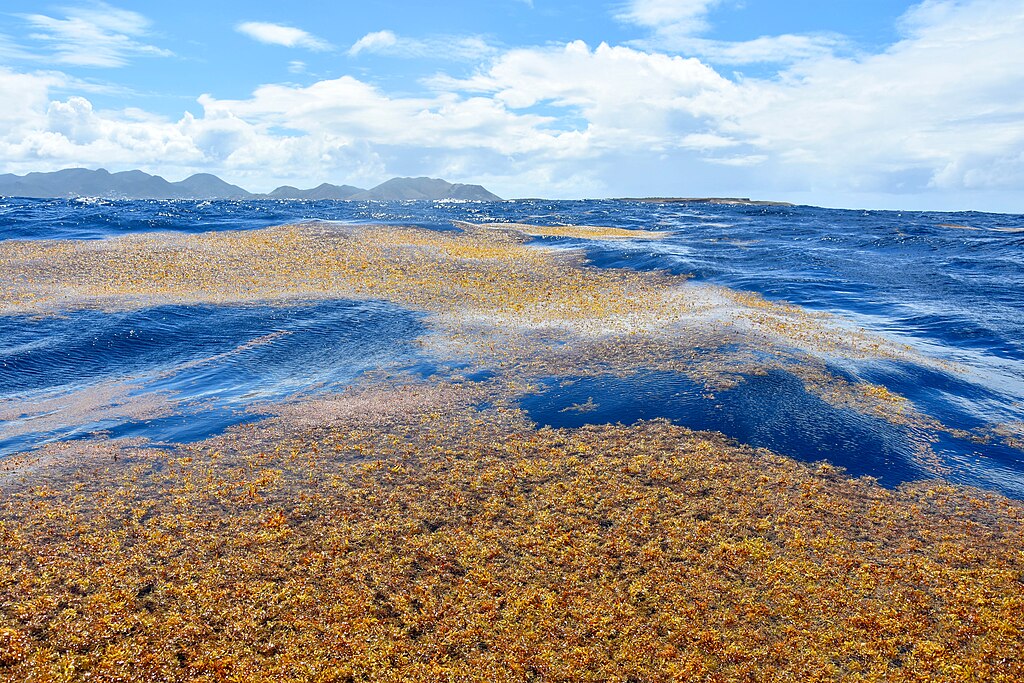
"Scientists used AI to analyze 20 years of satellite images and found that floating algae blooms are increasing worldwide. Large seaweed (macroalgae) patches and microalgal blooms have grown rapidly since about 2008-2010, showing a major shift toward more algae in the oceans. Floating algae can help marine life in open water, but when it reaches coasts, it can damage ecosystems, tourism and local economies. The increase is likely linked to climate change, warming oceans, changing currents and nutrient pollution from human activities."
"For the first time and with help from artificial intelligence, researchers have conducted a comprehensive study of global floating algae and found that blooms are expanding across the ocean. These trends are likely the result of changes to ocean temperature, currents, and nutrients, according to the authors, and could have a significant impact on marine life, tourism, and coastal economies. Led by researchers at the University of South Florida (USF) and the National Oceanic and Atmospheric Administration (NOAA), Columbia University and other institutions, the study demonstrates the power of artificial intelligence as a tool for processing large amounts of ocean data."
""With machine learning, we developed maps that clearly showed floating algae on the ocean was on the rise," says co-author Joaquim Goes, a research professor at Lamont-Doherty Earth Observatory, which is part of the Columbia Climate School. "While regional studies have been published, our paper gives the first global picture of floating algae, including macroalgal mats and microalgal scum," says Chuanmin Hu, professor of oceanography at the USF College of Marine Science and senior author of the paper recently published in Nature Communications."
AI analysis of 20 years of satellite imagery identified a global increase in floating algae, with rapid growth in large macroalgal patches and microalgal blooms beginning around 2008–2010. Floating algae provide habitat benefits in open ocean but can harm coastal ecosystems, tourism, and local economies when transported to shore. Drivers of the rise include ocean warming, altered currents, and increased nutrient pollution from human activities. Machine learning enabled mapping of these blooms across the ocean and indicates that global ocean conditions now favor floating macroalgae, with significant ecological and socioeconomic consequences.
Read at State of the Planet
Unable to calculate read time
Collection
[
|
...
]