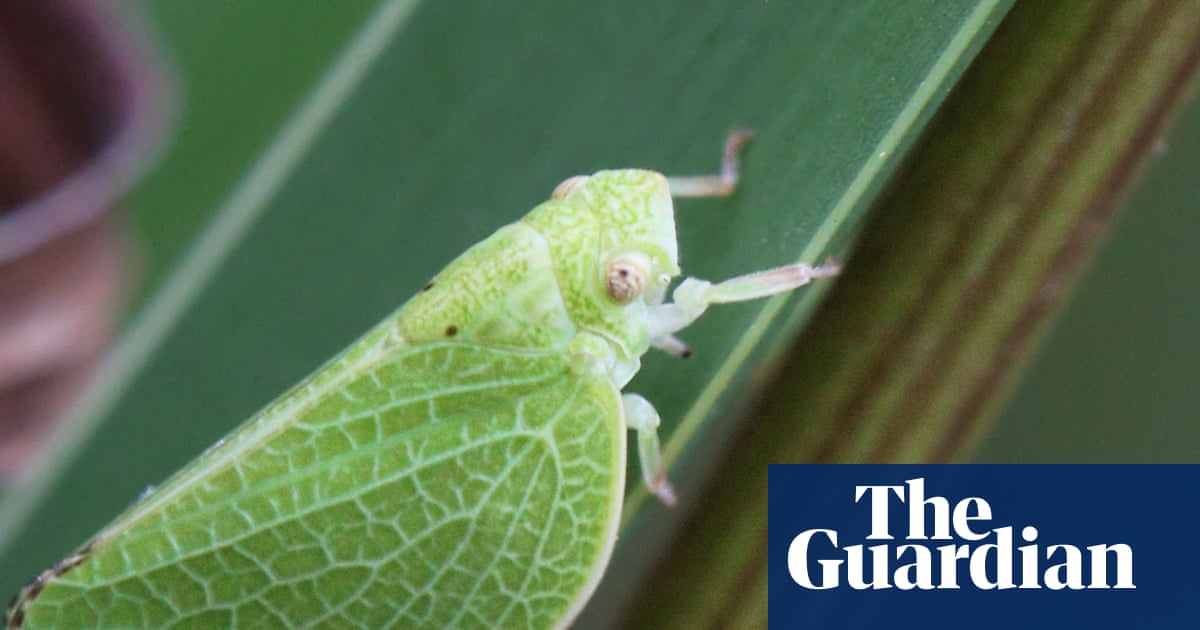
"Global heating is helping insects such as aphids, planthoppers, stem borers, caterpillars and locusts thrive. Greater warmth enables pests to develop faster, produce more generations each year and attack crops for longer as winters shorten. Rising temperatures are also helping pests invade places further from the equator and on higher ground that were previously too cold. As a result, the climate-driven flourishing of pests will be worst in temperate places, such as Europe and the US, the researchers said."
"In parallel, the destruction of natural habitats and heavy use of pesticides and fertilisers is crippling the natural predators of pests, while the expansion of farmland creates new areas for crop pests to infest. Pests and diseases destroy about 40% of global crop production, creating a major challenge for global food security, the scientists said. The direct impact of the climate crisis on wheat, rice and maize is predicted to cut yields by 6-10% for every 1C of global heating."
Climate change is accelerating crop pest impacts and is expected to substantially increase losses in key staples. At 2°C warming, pest losses are projected to rise about 46% for wheat, 19% for rice and 31% for maize. Warmer temperatures speed pest development, increase generations per year, lengthen attack seasons, and allow poleward and altitudinal range expansion, making temperate regions especially vulnerable. Global trade and cropland conversion facilitate pest movement and establishment. Habitat destruction, heavy pesticide and fertilizer use are weakening natural predators. Pests and diseases already destroy about 40% of global crop production. The global reliance on a few major grains creates a simplified, vulnerable food system.
Read at www.theguardian.com
Unable to calculate read time
Collection
[
|
...
]