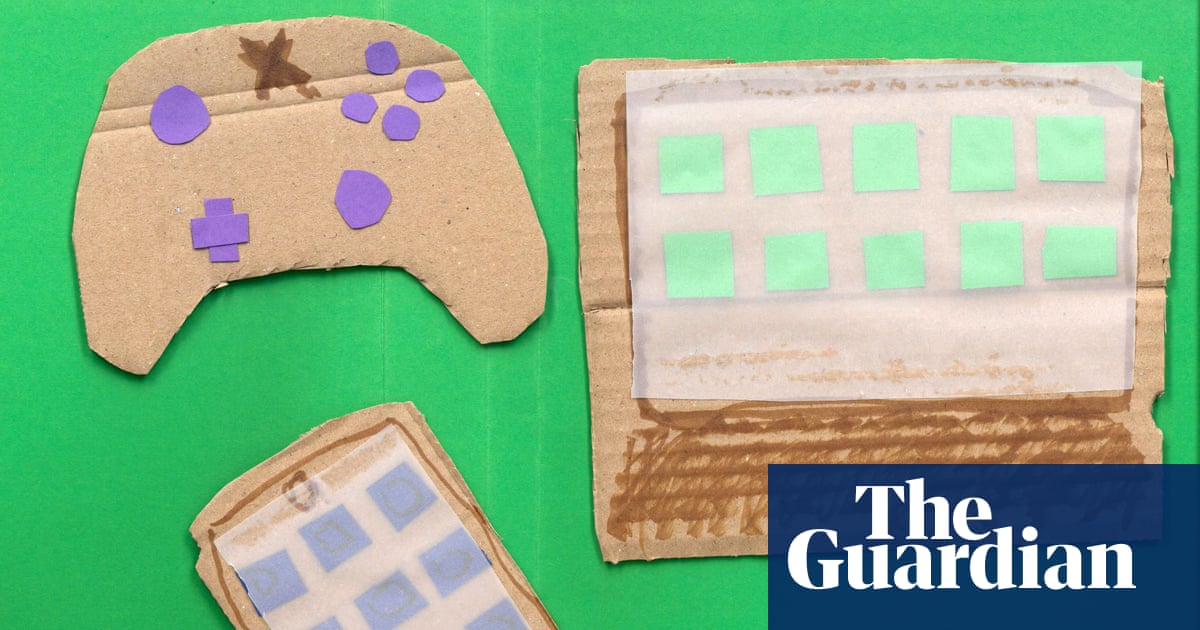
"At another school in Hampshire, a longtime reception teacher says in the last few years she has noticed children getting frustrated if activities aren't instant and seamless something she thinks comes from playing games on a phone or tablet. There is a lack of creativity and problem-solving skills, noticeable when the children are playing with Lego or doing jigsaw puzzles and turning the pieces to fit."
"I find their hand-eye coordination isn't very good, and they find puzzles difficult. Doing a puzzle on an iPad, you just need to hold and move it on the screen. They get really frustrated and I feel like there are certain connections the brain is not making any more. There is also something of an attitude shift, she says a kind of individualism that she's convinced comes from playing alone on a device."
Many four-year-olds starting reception cannot sit still, hold a pencil, or speak beyond a four-word sentence. Staff link these delays to early and heavy screen exposure. Children often replicate phones, tablets, or controllers in creative play, reflecting limited real-world experience. Increasing frustration appears when activities are not instant or seamless, and educators observe reduced creativity, weaker problem-solving, poorer hand-eye coordination, and difficulties with puzzles compared with touchscreen tasks. Solitary device use fosters individualism, requiring adults to model teamwork and sharing. Creative, hands-on play remains crucial for brain development, and the government plans new guidance on under-five screen use.
Read at www.theguardian.com
Unable to calculate read time
Collection
[
|
...
]