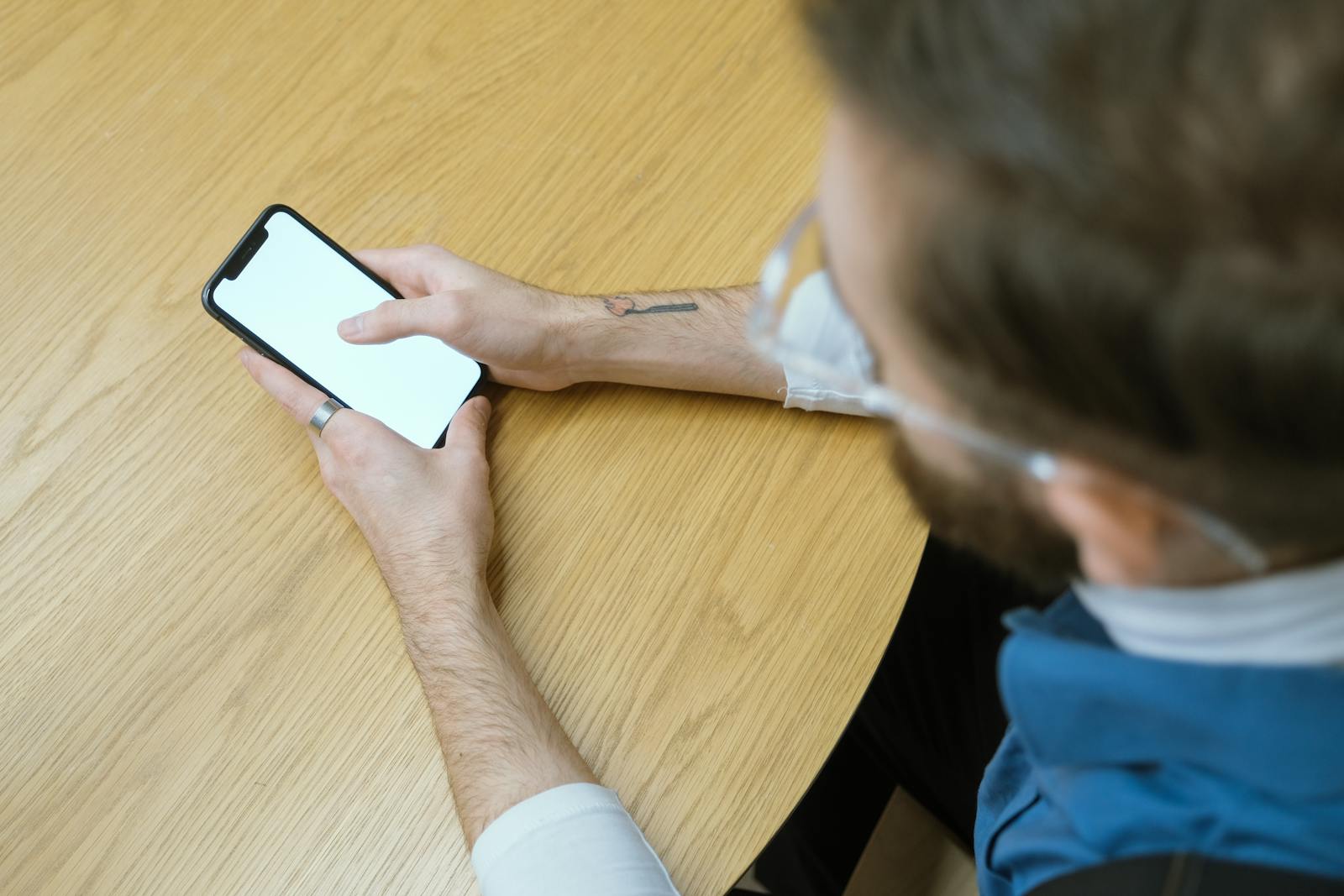
"The face-down phone is not about hiding the screen from your dinner companion. It's about hiding the dinner companion from the screen. You are trying to make yourself, for a little while, harder to summon."
"Most of us were sold the smartphone as a tool of freedom. You could be reached anywhere, which meant you could go anywhere. What nobody mentioned is that being reachable everywhere is the same thing as being on call everywhere."
"The face-down phone is autonomy expressed in the smallest possible physical movement. A wrist turn. That's all you've got left."
Turning phones face-down during meals and meetings represents a desire to reclaim personal attention and autonomy. This gesture counters the pressure of being constantly reachable, which can feel like an unpaid shift. The act is not about hiding the phone from others but rather protecting the interaction from digital distractions. Psychologist Carol Ryff's work highlights autonomy as a key aspect of psychological health, and this simple action embodies the struggle to maintain control over one's attention in a connected world.
Read at Silicon Canals
Unable to calculate read time
Collection
[
|
...
]