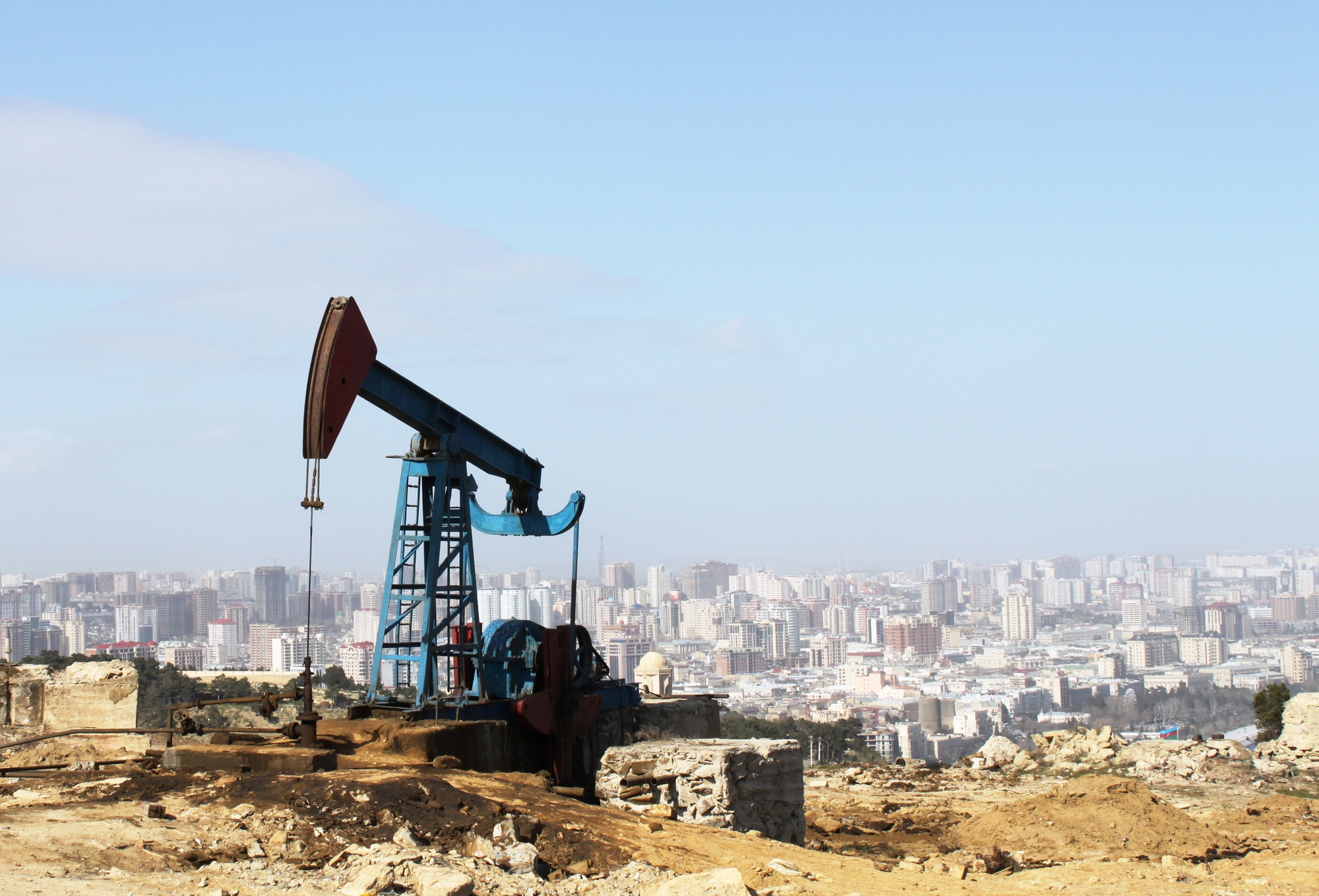
Petroleum has significantly shaped modern architecture and urban landscapes through its extraction and infrastructure. The extraction processes, including pipelines and refineries, create a vast landscape that supports contemporary life. Despite its importance, oil's role in architecture is often overlooked, with focus remaining on form and urban density. Examining oil's politics requires a shift in perspective towards the geological and infrastructural conditions that influence the built environment, revealing architecture's entanglement with energy production and consumption.
"The infrastructures that enable these flows rarely become objects of architectural inquiry. Attention remains largely directed toward form, typology, or urban density, while the material systems that sustain these environments tend to remain displaced within the discipline."
"To examine the politics of oil is therefore to shift the architectural gaze downward, toward the geological and infrastructural conditions that structure the built environment; to reconsider architecture's relationship with the ground."
"Oil begins as a geological phenomenon, but the moment it is discovered, it becomes a territorial one. Drilling wells, pumping stations, storage tanks, and refineries reorganize landscapes into zones of extraction and production."
Read at ArchDaily
Unable to calculate read time
Collection
[
|
...
]