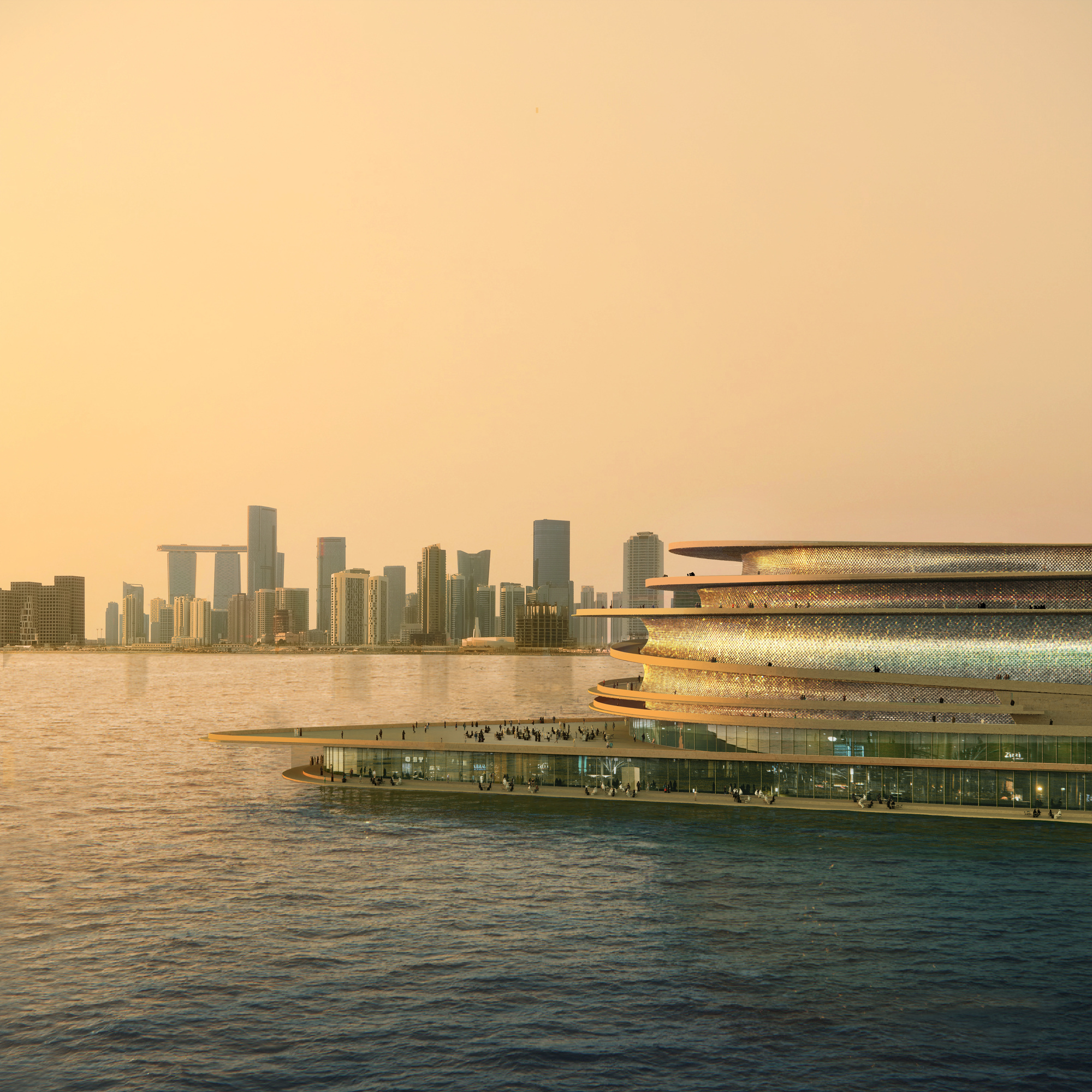
"Alongside these developments, international award programs and policy-aligned initiatives continue to situate architecture within broader conversations on sustainability, social responsibility, and long-term impact, highlighting how design decisions at both intimate and monumental scales respond to shared environmental and civic challenges. Civic Architecture as Public Platform and Cultural Infrastructure Recent announcements underscore how architecture continues to shape public life through institutions that operate simultaneously as cultural platforms and civic interfaces."
"The selection of LANZA atelier to design the 2026 Serpentine Pavilion situates temporary architecture within this lineage, framing the Pavilion as a public structure that engages material continuity, historical references, and collective experience within a garden context. Conceived through a sequence of curved brick walls and permeable enclosures, the project draws from both English construction traditions and the spatial rhythms of the surrounding landscape, reinforcing the Pavilion's role as a site of encounter, orientation, and pause within the city's cultural calendar."
"At a larger and more permanent scale, the newly revealed design for the Nobel Center in Stockholm by David Chipperfield Architects extends similar concerns into long-term civic infrastructure. Positioned along the evolving Slussen waterfront, the project integrates exhibitions, public programs, and everyday urban movement within a permeable architectural framework that connects the city's historic and contemporary layers."
Recent projects and programs frame architecture as a public-facing discipline that supports education, exchange, and urban continuity. Temporary and permanent commissions emphasize material inquiry, historical reference, and permeability to foster collective encounter and everyday movement. The 2026 Serpentine Pavilion by LANZA atelier uses curved brick walls and permeable enclosures to connect English construction traditions with garden rhythms, creating sites for pause and orientation. The Nobel Center design by David Chipperfield weaves exhibitions and public programs into the Slussen waterfront, linking historic and contemporary city layers. Award and policy initiatives reinforce sustainability, social responsibility, and long-term impact across scales.
Read at ArchDaily
Unable to calculate read time
Collection
[
|
...
]