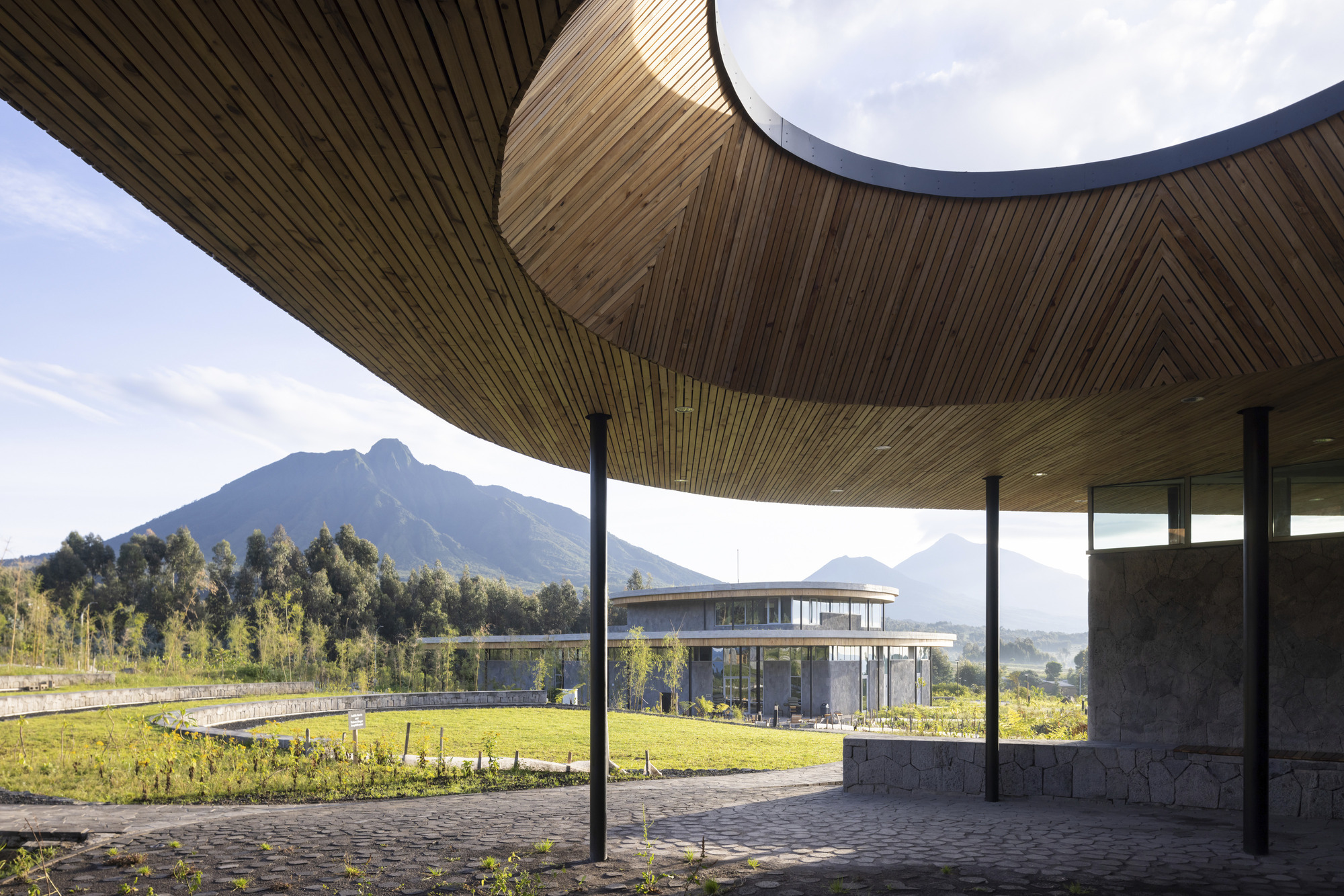
Architecture as a profession repeatedly encounters crisis during economic downturns, when developers become cautious and reduce spending. In the United Kingdom, the current crisis raises the possibility of a more permanent condition rather than a cyclical phase. Firm incomes become unpredictable, and workload can drop dramatically, with reductions reported up to 50% between peak and trough periods. The crisis question also extends beyond economics to whether architecture effectively responds to global and societal needs, including housing, climate change, and human development. MASS in Rwanda, founded after the 2008 financial crisis, aims to practice architecture differently through a model serving society.
"Referring to architecture as a profession, it rears its head especially when economic downturns are expected or in full swing. Simultaneously, there are ongoing questions regarding the effectiveness of architecture at dealing with the pressing matters of the globe and society- housing, climate change, and human development. One venture that attempts to address these questions is MASS, established in Rwanda not long after the 2008 financial crisis. The clue is in the name, which stands for Model of Architecture Serving Society. MASS was created as a different way of practicing architecture."
"Martyn Evans, specifically referring to the United Kingdom, wonders if the current crisis may be a more permanent state of affairs rather than part of a cycle. He notes the unpredictability of firms' incomes, while developers, one of the primary commissioners of architects, are more cautious and slower on expenditure. Sources from the RIBA indicate that previous crises created reductions in workload as much as 50% between peaks and troughs. While these periods of crisis often begin in the developed countries, the Global South is far from immune."
Read at ArchDaily
Unable to calculate read time
Collection
[
|
...
]