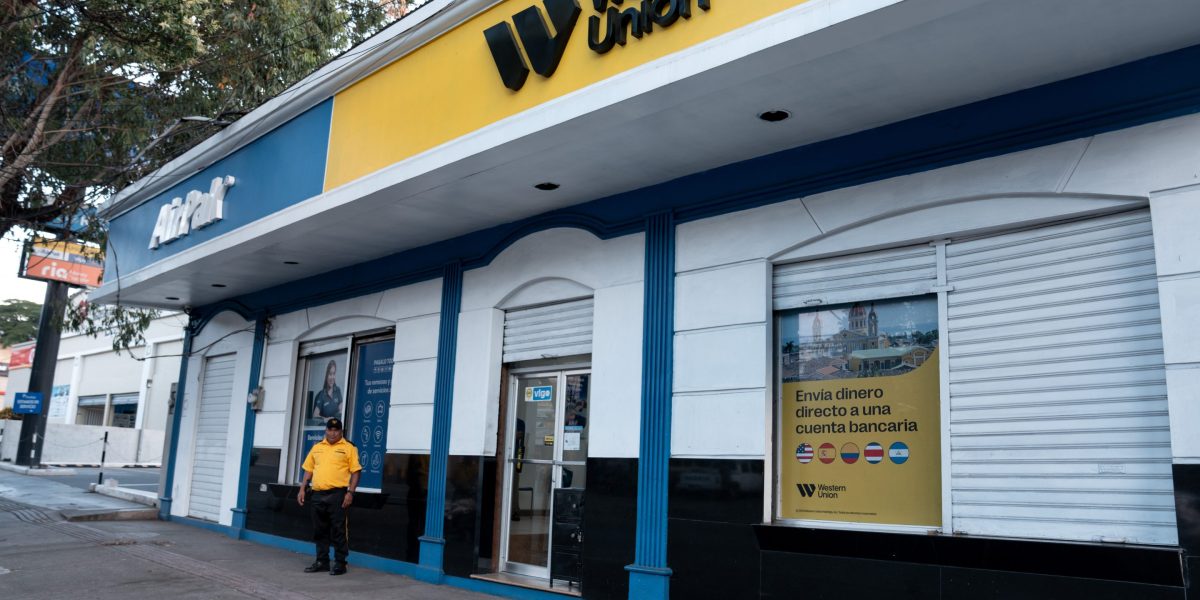
"Every year, workers around the globe send approximately $900 billion to their families back home and, when it comes to helping them send that money, the market is suddenly up for grabs. The reason is the recent momentum behind stablecoins, which offer an easy way to move money across borders-and for a far cheaper price than legacy transfer systems, whose fees can reach as high as 6%."
"Stablecoins, which are backed by reserves designed to peg their value to a fiat currency like the dollar, were long used by experienced crypto traders. Today, millions of ordinary people are using them too via digital wallets. All of this raises an intriguing business question: What companies are best poised to capitalize on the new stablecoin trend? Will it be a legacy remittance player, like a Western Union or MoneyGram?"
"While the emerging stablecoin industry is there for the taking, experts say that both legacy remittance players and newer entrants each possess their own set of advantages and challenges. A broken remittances system When people send money across borders, fees are steep. The World Bank found in a report earlier this year that the average fee for sending remittances was more than 6%."
Workers send about $900 billion annually to families abroad, and stablecoins are creating new opportunities to capture that market. Stablecoins are backed by reserves to peg their value to fiat currencies and enable faster, lower-cost cross-border transfers compared with legacy remittance systems that charge averages above 6%. Millions of ordinary users now access stablecoins through digital wallets. Competition could come from legacy remittance firms, crypto-native exchanges, big payments companies, or fintechs. Legacy players and newcomers each have advantages and challenges when integrating blockchain rails, regulatory compliance, user experience, and on- and off-ramps for local currencies.
Read at Fortune
Unable to calculate read time
Collection
[
|
...
]