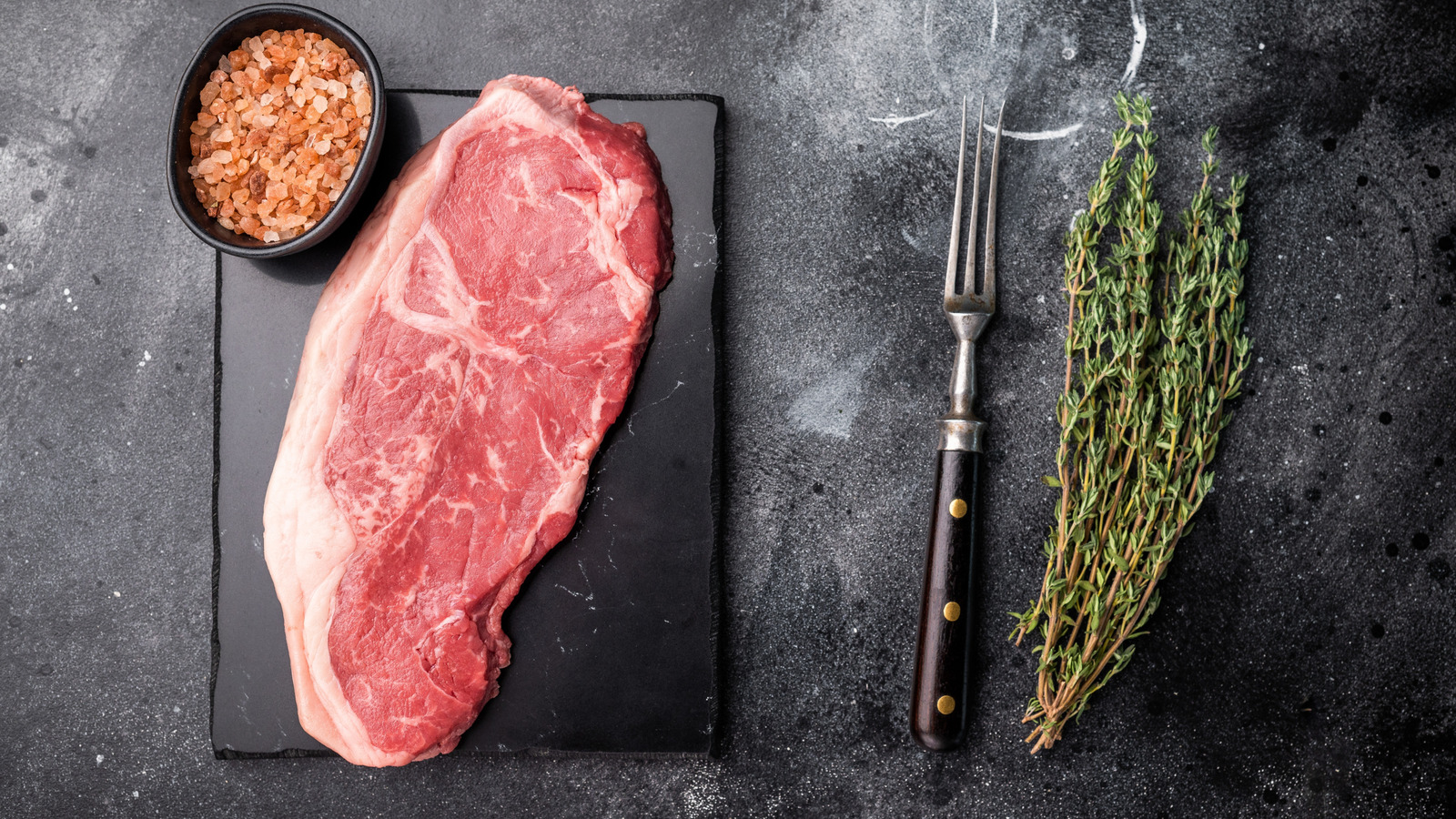
"Few things in life are as satisfying as a perfectly cooked steak. For the confident home cook, steak can be the ultimate comfort dish to impress loved ones. Conversely, nothing is more disappointing than a ruined steak. Whether it's undercooked and cold in the center or overdone and chewy, wasting a steak is truly heartbreaking. Truth is, the key to a successful steak comes down to cut, rather than skill, and chefs know this better than anyone."
"Some cuts are naturally forgiving, while others require time and know-how. Thickness, muscle structure, size, fat content, and boning are only some of the components that impact a cut of steak and how it should be cooked. For instance, certain cuts stay tender even if overcooked, or require minimal seasoning thanks to a high fat content. Other cuts might require extreme precision and temperature control, or require an understanding of thickness to achieve an even cook."
Steak success hinges on the chosen cut more than on cooking skill. Thickness, muscle structure, size, fat content, and the presence or absence of bone determine how a cut cooks and how forgiving it will be. Some cuts remain tender even if overcooked or require minimal seasoning because of high fat, while other cuts demand precise temperature control and attention to thickness for an even cook. Fillet, from the tenderloin, is extremely tender and rarely becomes tough because it is a minimally worked muscle with few fibers. Secure resting after cooking improves juiciness and texture across all cuts.
Read at Tasting Table
Unable to calculate read time
Collection
[
|
...
]