"Stir-frying is all about wok hei, or wok's air' in English, which you can think of as the height of fire', or the level of heat. It's said that Chinese cooks have good wok hei if they have a true understanding of the heat of their wok and how to handle it in all situations, and a stir-fry's success is based on the quality of the cook's wok hei."
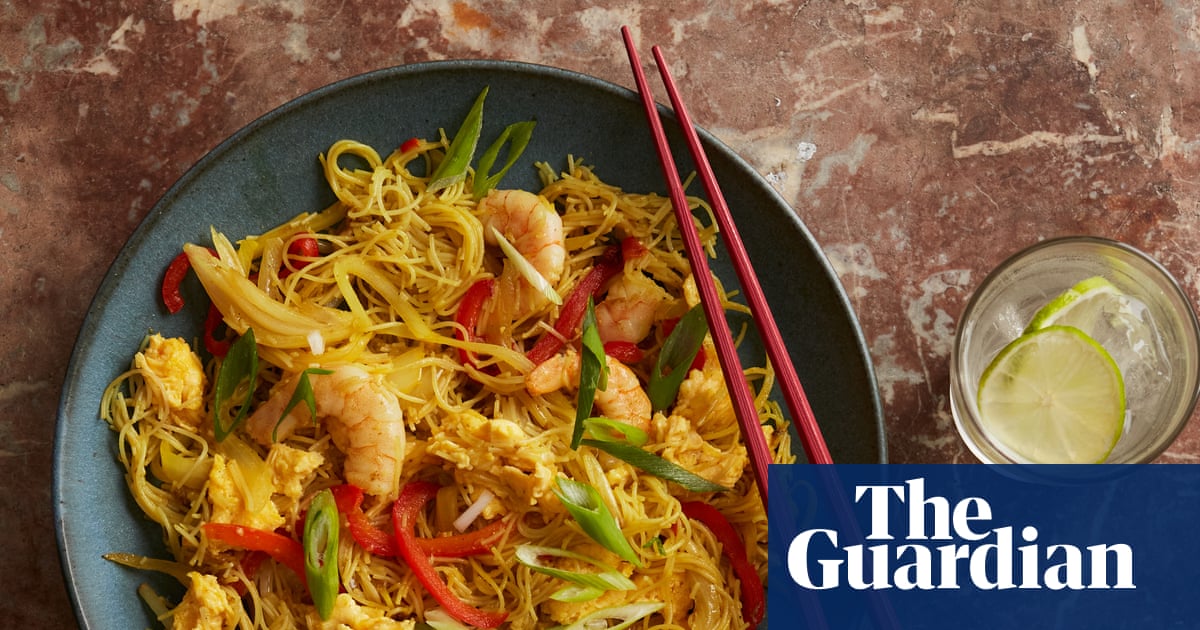
"Singapore noodles (pictured top) This dish may not actually be Singaporean in origin, seemingly drawing on influences and crossovers in cuisine from various regions throughout Asia, but it's actually the noodles Singapore vermicelli that give it its name. Singapore noodles are supposed to be dry yet packed full of flavour. To get this right, follow the instructions closely and remember to keep your wok smoking hot at all times never, ever lose your sizzle!"
Stir-frying requires continuous stirring and very high heat to generate wok hei, the characteristic level of heat that defines successful stir-fries. Singapore noodles use dried Singapore vermicelli and aim to be dry yet intensely flavorful. Noodles should be soaked in hot water for three minutes, drained, and dried on a tea towel for ten minutes. The spice paste combines bird's-eye chilli, water, light and dark soy sauces, sesame oil, madras curry powder, chilli powder, and salt. Ingredients are arranged in a wok clock, and the wok must remain smoking hot while cooking. Typical ingredients include eggs, onion, red pepper, prawns, beansprouts, vegetable oil, and spring onion garnish.
Read at www.theguardian.com
Unable to calculate read time
Collection
[
|
...
]