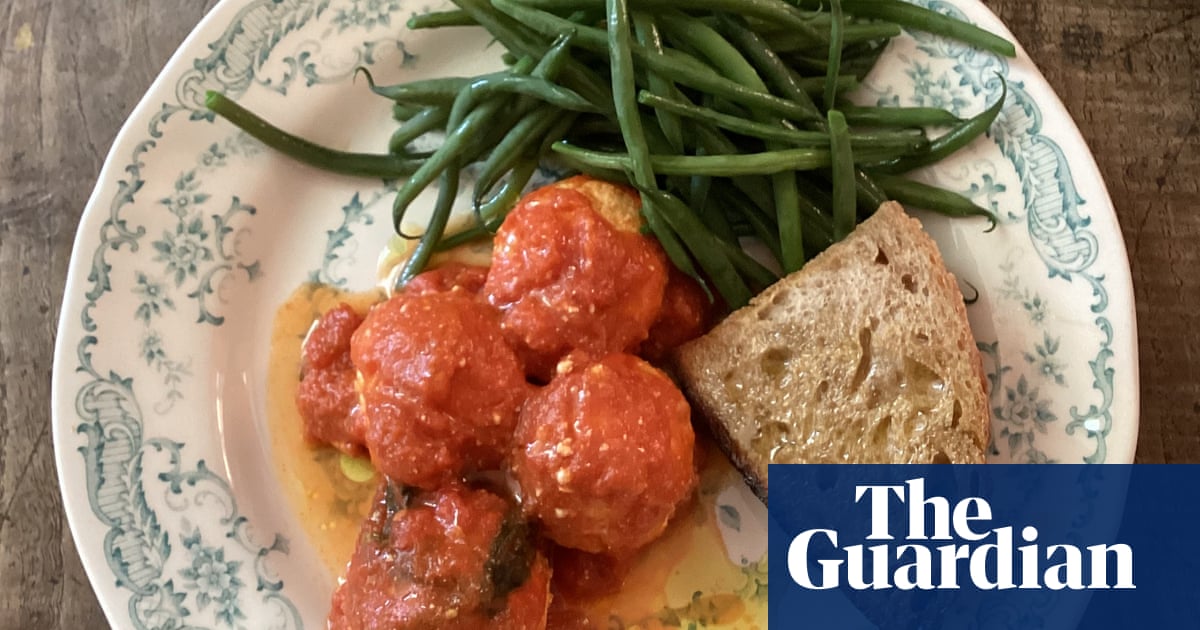
Whey that has been separated from cheese is thin and cloudy. Whole milk and rennet are added, and the mixture is reheated until coagulated proteins appear as clumps on the surface. The curds, known as ricotta, are lifted out with a slotted spoon like foam from broth. The ricotta is placed into perforated plastic tubes on a slanting surface to drain further. After draining, it can be eaten in many ways, including in pastry, whipped into a quick pudding with coffee, mixed with flour for sweet fritters, or formed into ricotta and breadcrumb balls served fried or simmered in tomato, basil, and chilli sauce. Ricotta is also produced in the UK using whey left over from other cheeses.
"Having given up its protein for cheese, the whey that has been returned to the huge pan is thin, opaque and not unlike cloudy washing-up water. The situation changes slightly when whole milk is added to the whey, along with rennet, and it's then reheated, or re-cooked (ri-cotta). For a while, nothing happens. Then follows a slight, just perceptible wobbling, before, quite suddenly, like scudding clouds moving into view, scraggy clumps of coagulated protein, albumin and globulin appear on the surface."
"These are lifted out in the same way as foam from a pan of broth: scooped off with a large slotted spoon. At least that is how it is done by Filippo Privitera at Caseificio Privitare in Castellana Sicula in the province of Palermo. The coagulated protein, otherwise known as ricotta, is then dropped into perforated plastic tubes on a slanting surface so it can drain some more, before being eaten in many ways."
"Like many, I have long known what a useful ingredient it is, but, going through decades of archives, I was reminded just how versatile ricotta is, moving with ease between savoury and sweet, and both straight from the pot and cooked. However, since writing that newsletter, things I forgot to mention have also scudded into my head: how good ricotta is in pastry; that it can be whipped with coffee for Anna Del Conte's quick pudding; mixed with flour for sweet fritters; or made into polpette di ricotta e pane."
"Another thing that arose from the newsletter were suggestions from readers as to ricotta produced in the UK. As well as Westcombe Dairy in Somerset, which makes it with the whey left over from cheddar and caerphilly, there's Yorkshire Pecorino, which is b"
Read at www.theguardian.com
Unable to calculate read time
Collection
[
|
...
]