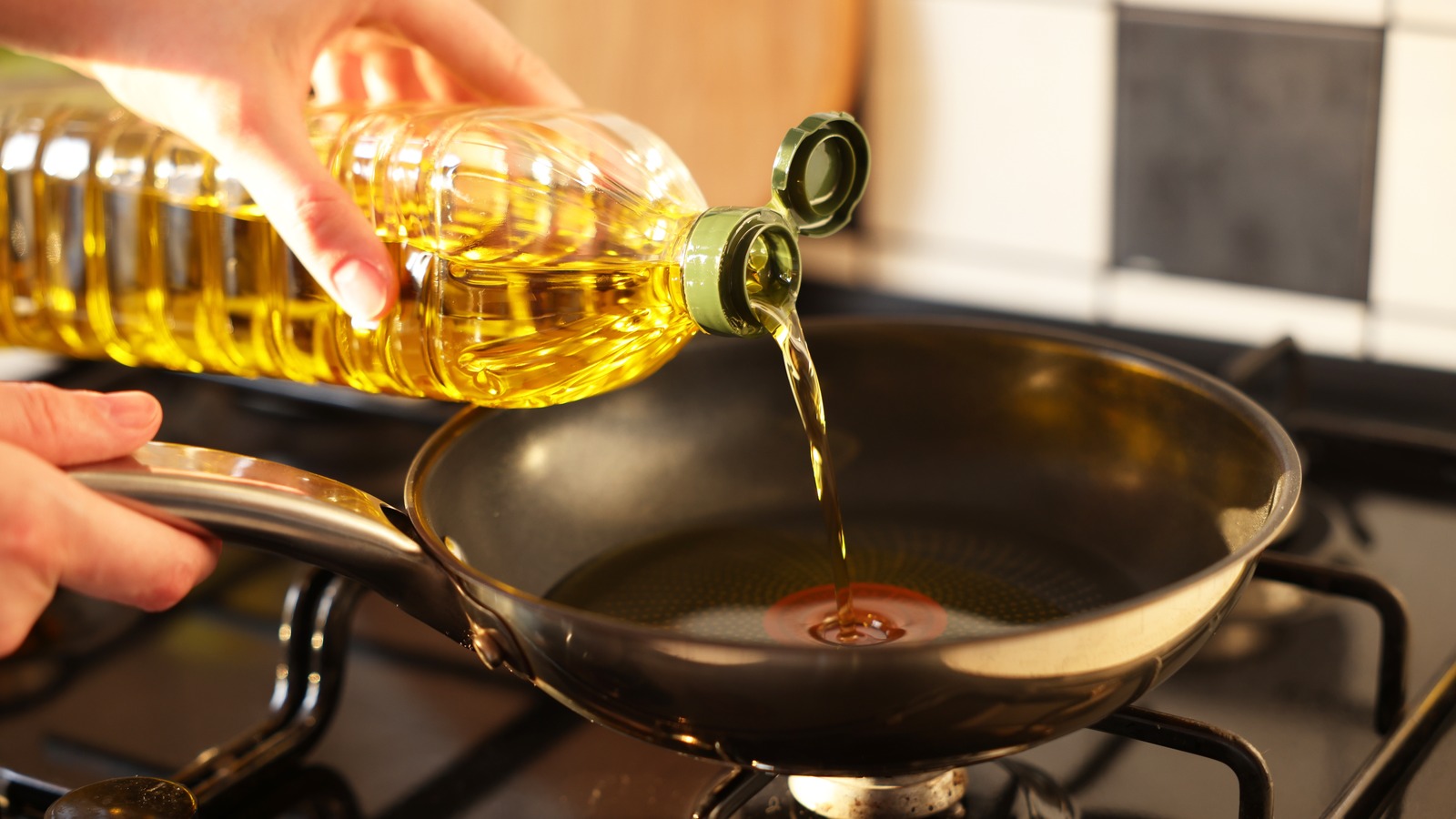
"It makes perfect sense that you would want to have your cooking oil within easy reach of the cooktop. Unlike other ingredients that might be measured out first, oil is something to be added with a flourish at any time throughout the cooking process. It turns out, however, that cooking oil is one of the items you should never store above the stove."
"You might notice that your oil has a strange smell, or has taken on a sticky texture, particularly around the opening to the bottle - these are the signs of oxidation. While oxidised oils won't make you sick immediately, as with food poisoning, the compounds released during oxidation have been linked to long term issues. Free radicals can lead to inflammation, potential damage to brain cells, and an increased risk of heart disease, while toxic aldehydes have been linked to an increased risk of cancer."
Cooking oil should not be stored above the stove because heat accelerates oxidation, which breaks down fat molecules and degrades flavor. Oxidized oil may develop strange smells and a sticky texture around the bottle opening. Compounds released during oxidation include free radicals and toxic aldehydes, which have been linked to inflammation, brain-cell damage, heart disease risk, and higher cancer risk. Repeated heating of oil, such as reusing oil for deep frying, promotes the same breakdown. The best storage protects oil from heat, light, and oxygen. Store oil in a cool, dark place like a pantry or cabinet, and transfer small amounts to a light-blocking bottle for short-term use near the stove.
Read at Tasting Table
Unable to calculate read time
Collection
[
|
...
]