"During the 1980s and 1990s, when China was immersed in the process of economic reform, foreign restaurant chains became one of the most visible symbols for that process of opening up to the outside world. Eating a hamburger with fries, or a pizza, was synonymous with the modernity and access to other countries that was still a far-off prospect for the majority of the population."
"When the country's first Starbucks opened in 1999, in the financial center of Beijing, the Seattle coffee titan didn't only sell a beverage that was practically unknown to a society traditionally tied to tea. It also offered a space to socialize, work, and to see and be seen; an aspirational meeting point for an incipient middle class that was beginning to distinguish itself through global consumption habits."
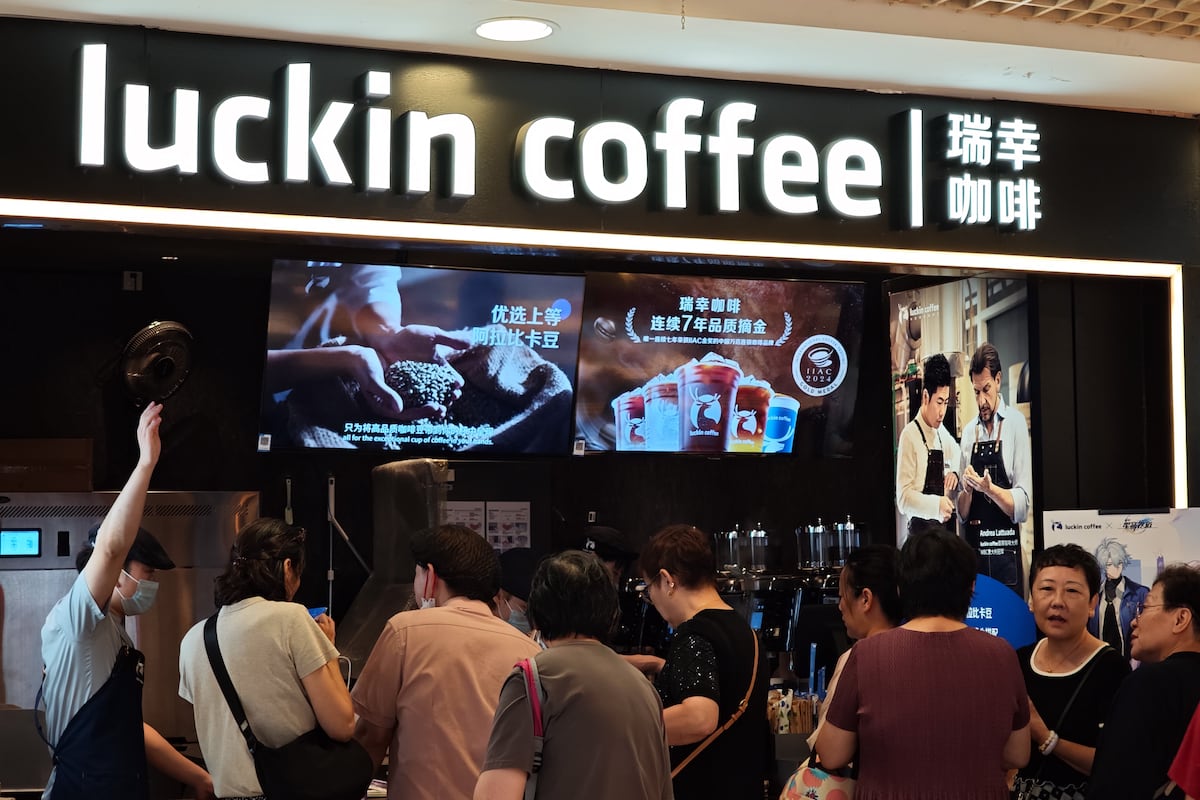
"Today, this panorama is quite different. Starbucks has fallen behind strong local competitors, who have been able to adapt their offerings to consumers who are extremely dependent on home delivery, and increasingly sensitive to price and novelty. The clear winner of the coffee wars has been Luckin, the Chinese business that was founded in 2017 and since then has bet on a digital model oriented toward fast consumption, with small locations and a strong dependence on cell phone orders."
During the 1980s and 1990s, foreign restaurant chains became visible symbols of China's economic opening, with hamburgers and pizzas signaling modernity and access to other countries. The first Starbucks opened in Beijing in 1999, introducing coffee and public spaces for socializing, work, and aspirational middle-class consumption. The market has shifted: Starbucks has lost ground to local competitors that prioritize home delivery, lower prices, novelty, and digital ordering. Luckin, founded in 2017, has prevailed through a mobile-first model, small-format outlets, and fast-consumption orientation. Starbucks' market share fell from 34% to 14% over five years.
Read at english.elpais.com
Unable to calculate read time
Collection
[
|
...
]