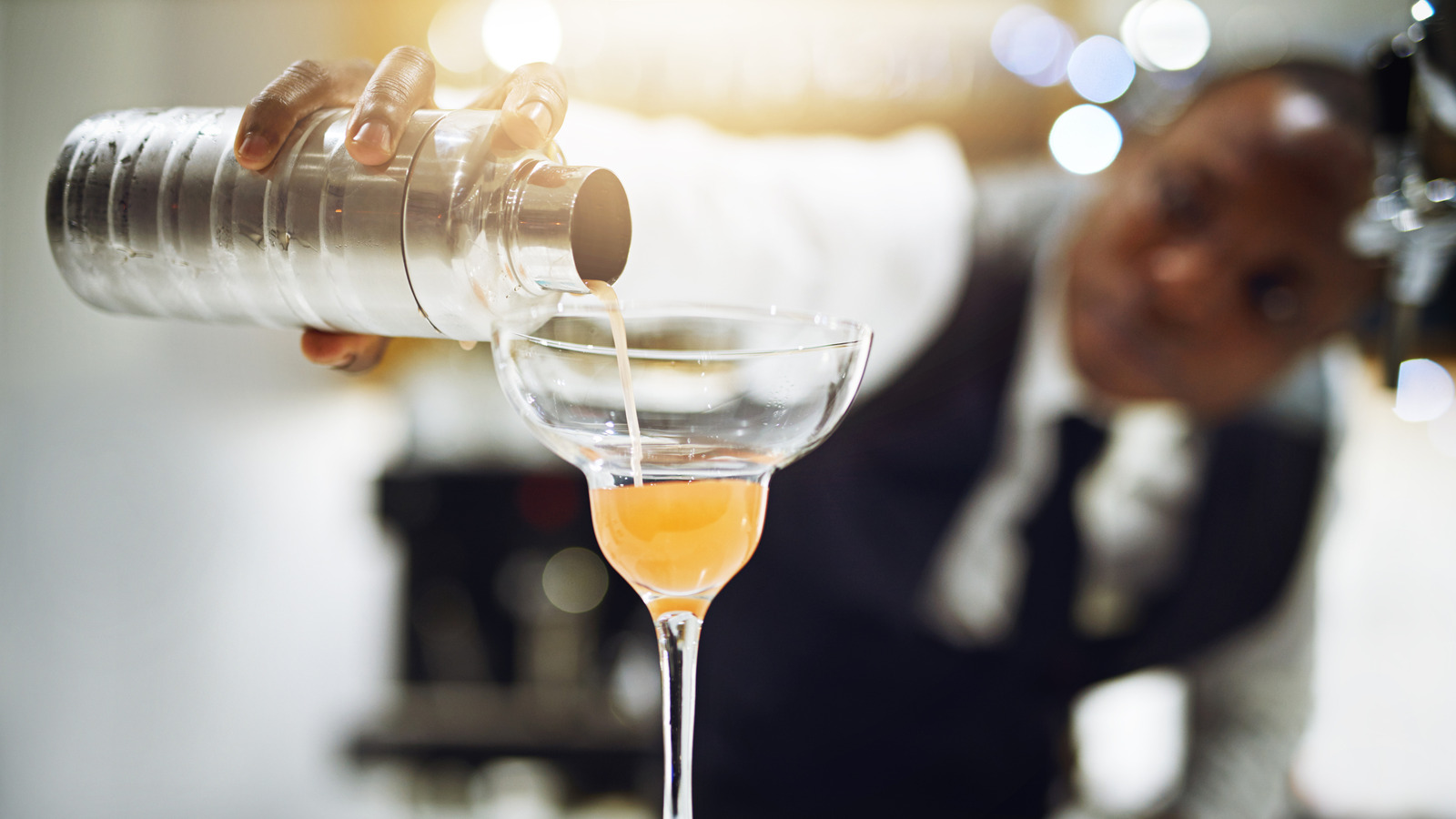
"“I think any cocktail that represents a labor of love through the use of ingredient is worth the extra spend,” he says. However, knowing what that labor actually looks like might may not be easy. You may not even know that a certain drink component requires several days to prepare, especially because, as he explains, many bars pre-batch cocktails in advance. These might include cocktails like martinis, old fashioned, and Manhattans, which do not lose any of their aromatic or sensory draws if they're made ahead of time."
"“It takes a curious customer and an eager bartender to pull back the curtain to see what really goes into the cocktails that we put out,” he says. This work all factors into the amount of time spent on a drink and the overall service, thus warranting a higher tip than a canned cocktail or a beer, regardless of whether it was batched ahead of time or not."
"“For one, some people in the restaurant industry, including some baristas, say that you should tip at coffee shops - even if conventional ‘service’ is not offered. Some people won't tip at chains like Starbucks but will at small restaurants and mom-and-pop spots. And, the question of how much and when to tip is no clearer for bartenders, either.”"
Tipping at coffee shops and bars varies by expectations and by the type of venue. Some people tip at coffee shops even without traditional service, while others tip only at small restaurants and not at large chains. For bartenders, the amount of work and preparation behind a drink is a key factor in deciding how much to tip. Many bars pre-batch cocktails such as martinis, old fashioneds, and Manhattans, which can be made ahead without losing key sensory qualities. A drink that appears to be assembled in seconds may still involve days of preparation. Higher tips can be warranted when time, effort, and overall service reflect more than a canned cocktail or a beer.
Read at Tasting Table
Unable to calculate read time
Collection
[
|
...
]