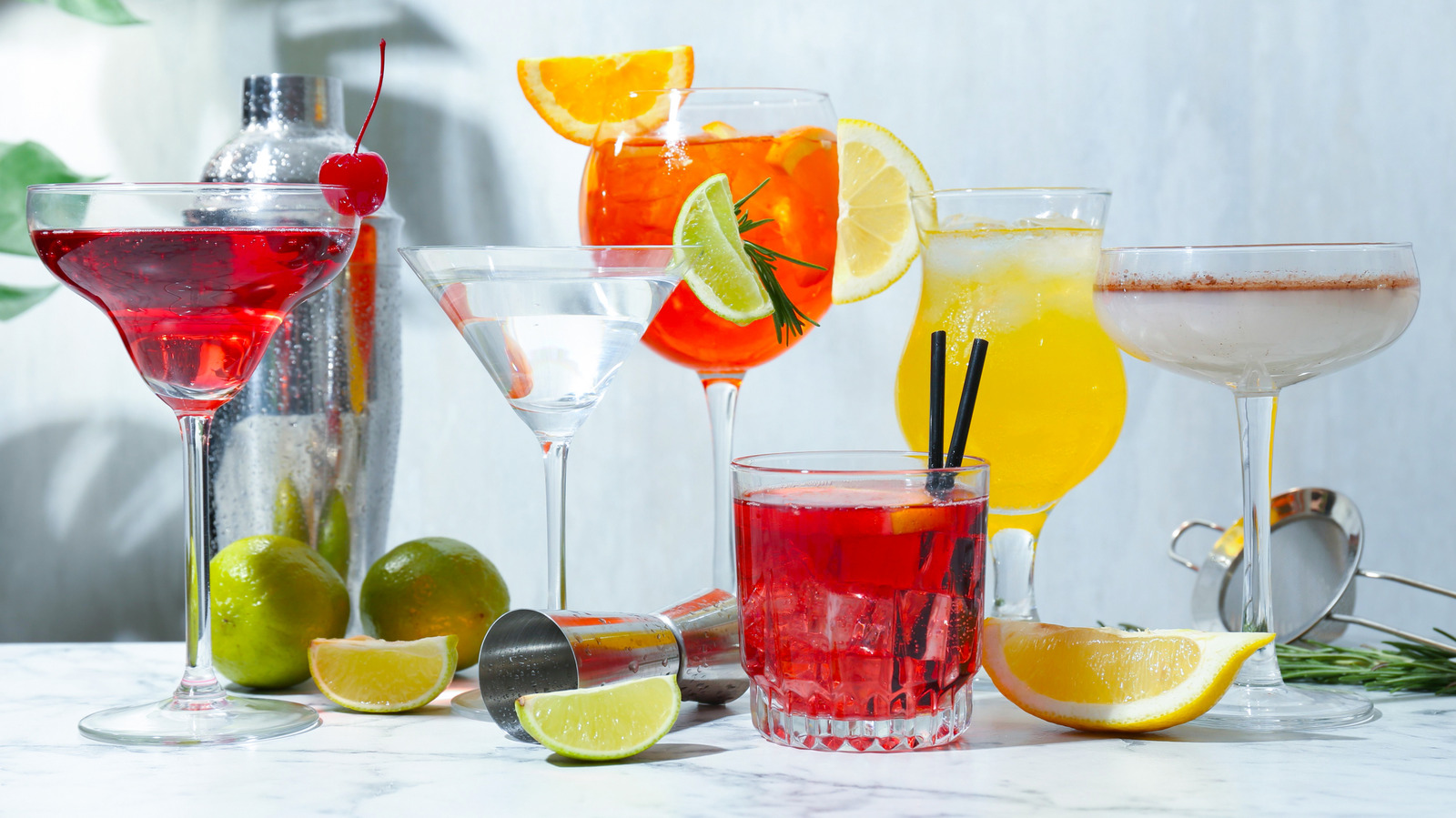
"Hear me out: the word 'mocktail' implies the drink is nonalcoholic, yet it also insinuates that it's a 'fake' cocktail. In today's cocktail industry, producers and bartenders are putting just as much care into their nonalcoholic products and cocktails, and there is nothing fake about them."
"Noting that he is not the only bartender who feels this way, Nicoll noted that he personally supports an industry trend advocating against using the term "mocktail." Beyond the inherent misunderstanding behind this title, Nicoll points out that there's an element of inclusivity that comes with eliminating the word."
"When joining friends and family for happy hours, cocktails, brews, or shots, it can feel isolating or awkward if you prefer imbibing with buzz-less beverages. Cody Nicoll agrees, pointing out that "eliminating the word 'mocktail' creates a more inclusive environment for non-drinkers," while noting the vastly more compreh"
Beverage terms such as “mocktails” have existed for years, but recent alcohol-reduction trends have increased interest in nonalcoholic drinks. Surveys show many consumers are drinking less alcohol for different reasons. In bar and restaurant settings, mocktails are often created to resemble alcohol-based cocktails. A sommelier and mixologist argues that the word “mocktail” can imply the drink is fake, even though nonalcoholic cocktails receive the same attention from producers and bartenders. He supports replacing the term to reduce misunderstanding and make social spaces more welcoming for people who do not drink alcohol.
Read at Tasting Table
Unable to calculate read time
Collection
[
|
...
]