"Electric cars are great. They're extremely quiet, much more refined than the vast majority of gas-powered cars, and are getting easier to recharge, courtesy of the myriad of DC fast chargers popping up everywhere. Gone are the days when a Nissan Leaf owner would have to meticulously plan a 200-mile tripusually with some third-party websitejust to make sure they got to their destination with a little juice left in the battery."
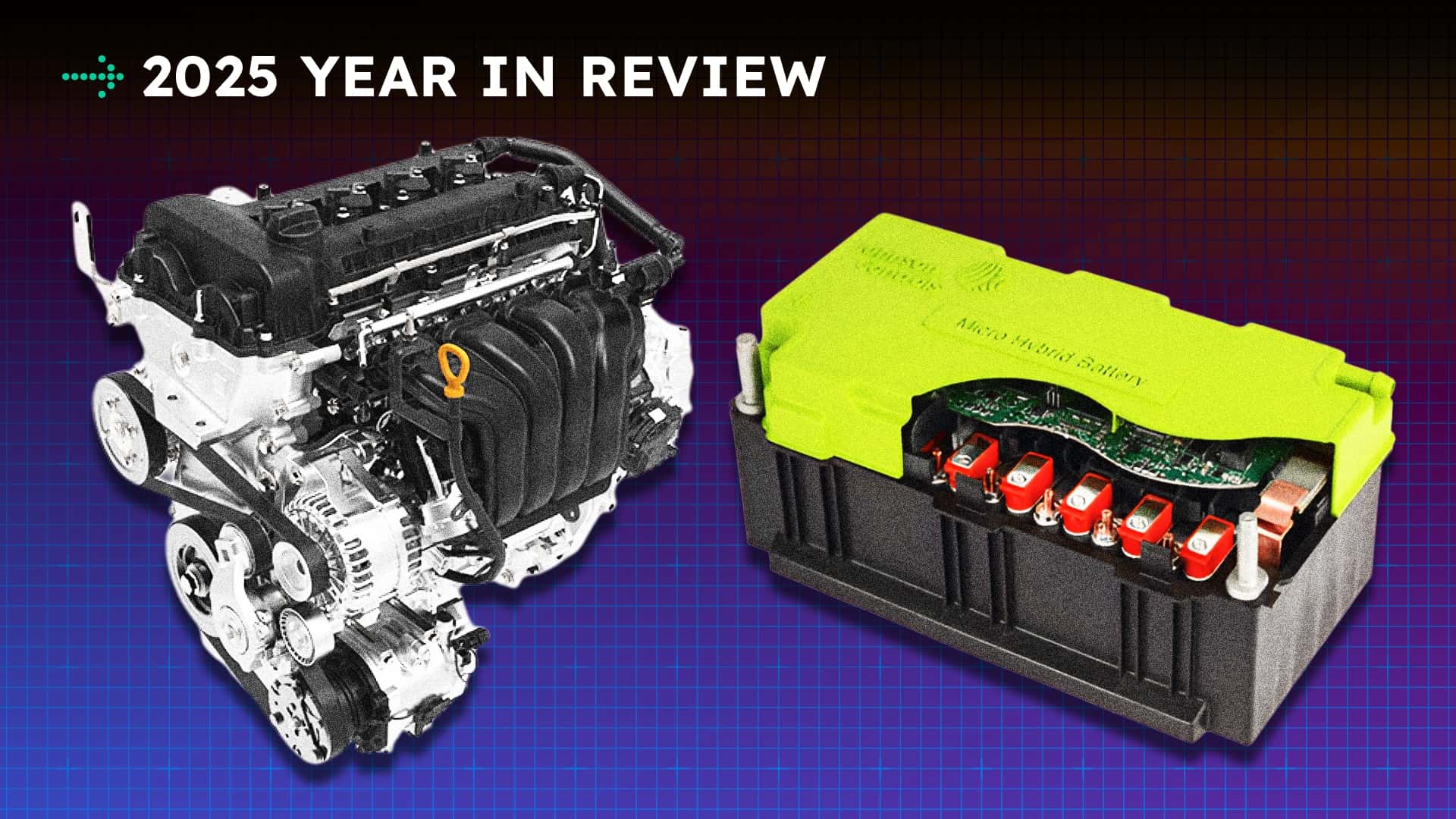
"But if there's one thing I learned after doing this job for over a decade, it's that EVs are not for everybodyat least not yet. That's why hybrid cars had such a moment in 2025, and why 2026 will be even bigger. Photo by: Toyota The Near-Term Solution To The Affordability Problem By and large, an EV that can do it all is still more expensive than a comparable combustion car. And charging is still not ideal for a lot of people."
Electric cars are extremely quiet, more refined than most gas-powered cars, and increasingly easier to recharge thanks to expanding DC fast charge networks. Full electric vehicles remain more expensive than comparable combustion cars in many cases. Charging access is limited for apartment dwellers, who often must rely on DC fast chargers that can cost more than home off-peak charging and sometimes more than filling with gas. Hybrids and plug-in hybrids provide a near-term affordability and practicality solution for many shoppers. Hybrids burn gasoline and emit CO2 but are cleaner than conventional cars and can save owners money over time. Main selling points include improved fuel efficiency and lower prices than comparable EVs. Some affordable EVs like new Chevrolet Bolt and Nissan Leaf start under $30,000 but may not fit buyers with $25,000 maximum budgets.
Read at insideevs.com
Unable to calculate read time
Collection
[
|
...
]