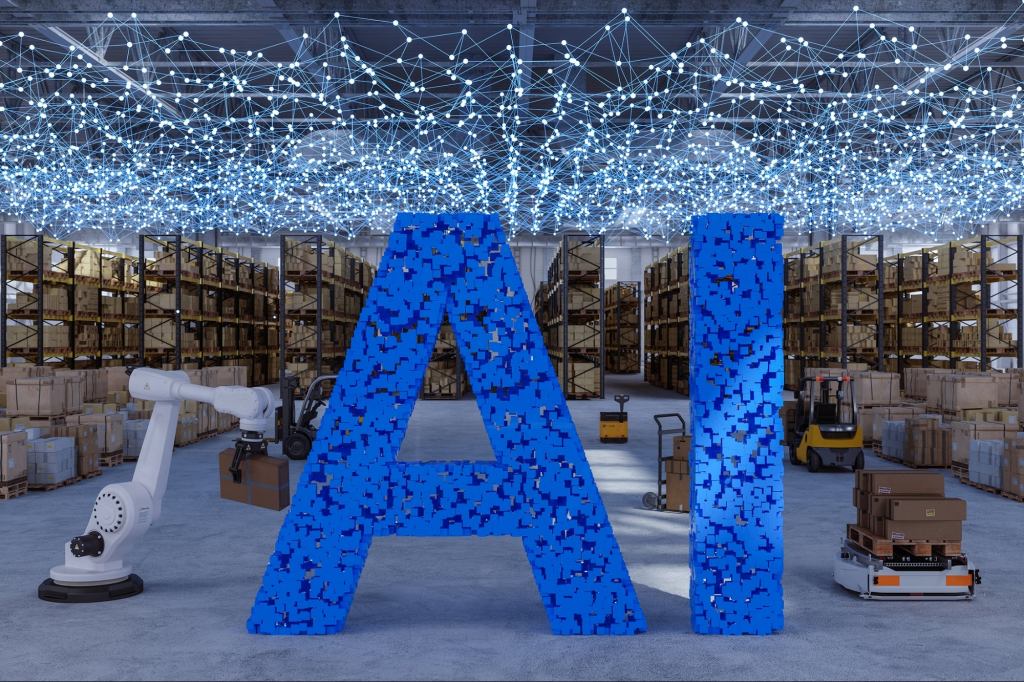
AI automation is being adopted across ecommerce to keep pace with fast-changing market demands. Many online retailers are using or pivoting to generative AI to improve personalized customer experiences and optimize supply chain operations. Automated systems can increase conversion rates and reduce operational costs. A foundational step is optimizing packaging within supply chain management to support effective ecommerce marketing and seamless workflows. AI supports predictive demand forecasting by analyzing future customer demand alongside factors such as weather, social media sentiment, and competitor actions. Machine learning enables end-to-end workflows from inventory management to dynamic route optimization, accounting for real-time production needs and delivery challenges like traffic and route selection.
"According to Statista, 80% of online retailers are using or actively pivoting to generative AI. The reason for this massive shift is to improve personalized customer experience and optimize the supply chain. Doing so, automated systems increase conversion rates by up to 30% and reduce operational costs by 25%."
"AI changes the way businesses forecast demand surges or optimize supply chain routes. It enables businesses to analyze future customer demand for products and services and predict weather patterns, social media sentiment and competitors' actions. Machine learning ensures a seamless workflow from inventory management to route optimization by deploying dynamic routing algorithms."
"Using this process, businesses can better forecast customer demands, real-time production requirements and delivery challenges like traffic jams and route choice. This level of control will not only optimize operational efficiency but also enable businesses to make informed decisions. And the right decisions help"
Read at Entrepreneur
Unable to calculate read time
Collection
[
|
...
]