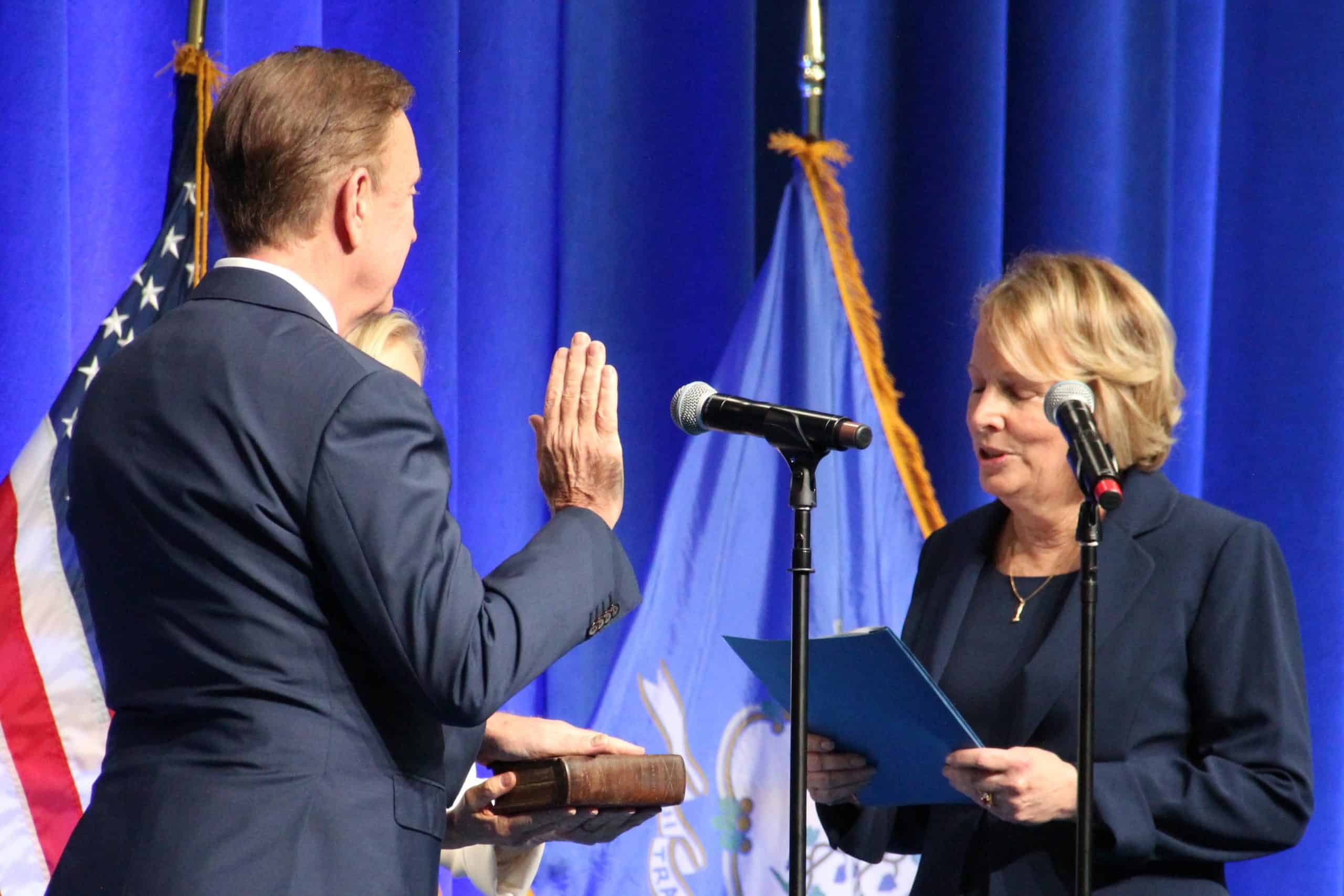
Kevin Warsh’s swearing-in as Federal Reserve Chairman has drawn unusually little market attention, with AI-related themes taking center stage. Volatility remains subdued, with the VIX around 16.76 and equity indexes near record levels supported by AI capex enthusiasm. The more consequential changes lie in the policy backdrop Warsh inherits. The federal funds upper bound is 3.75%, down 75 basis points from a 2025 peak after three cuts. The benchmark policy rate has been held steady since December for more than five months. Re-accelerating inflation is consistent with maintaining a pause, with core PCE at elevated levels and persistent pricing pressure. Employment data shows unemployment at 4.3% with no change across consecutive releases.
"“The Fed is not the first or second or third sentence of talking about the market these days.” AI has eaten the conversation."
"Historically, a Fed chair transition is a market-defining event. Bond desks reposition for weeks, equity strategists rewrite year-ahead notes, and volatility creeps higher into the swearing-in. This time, the VIX sits at 16.76, down 14% over the past month, parked in the complacency zone. The S&P 500 is up 9% year to date and pushing record highs on AI capex enthusiasm, with the Fed running a distant third in the daily narrative."
"The target federal funds upper bound currently stands at 3.75%, down exactly 75 basis points from its 2025 peak after three consecutive cuts. The Federal Reserve has held its benchmark policy rate steady since its December meeting, an active holding pattern that is now stretching past five full months."
"Core PCE, which remains the Fed's absolute preferred inflation gauge, printed at 129.28 for March to mark its highest level in a rolling twelve-month window. The index continues to hover in the 91st percentile of its recent range, indicating persistent upward pricing pressure rather than the structural disinflation policymakers wanted."
Read at 24/7 Wall St.
Unable to calculate read time
Collection
[
|
...
]