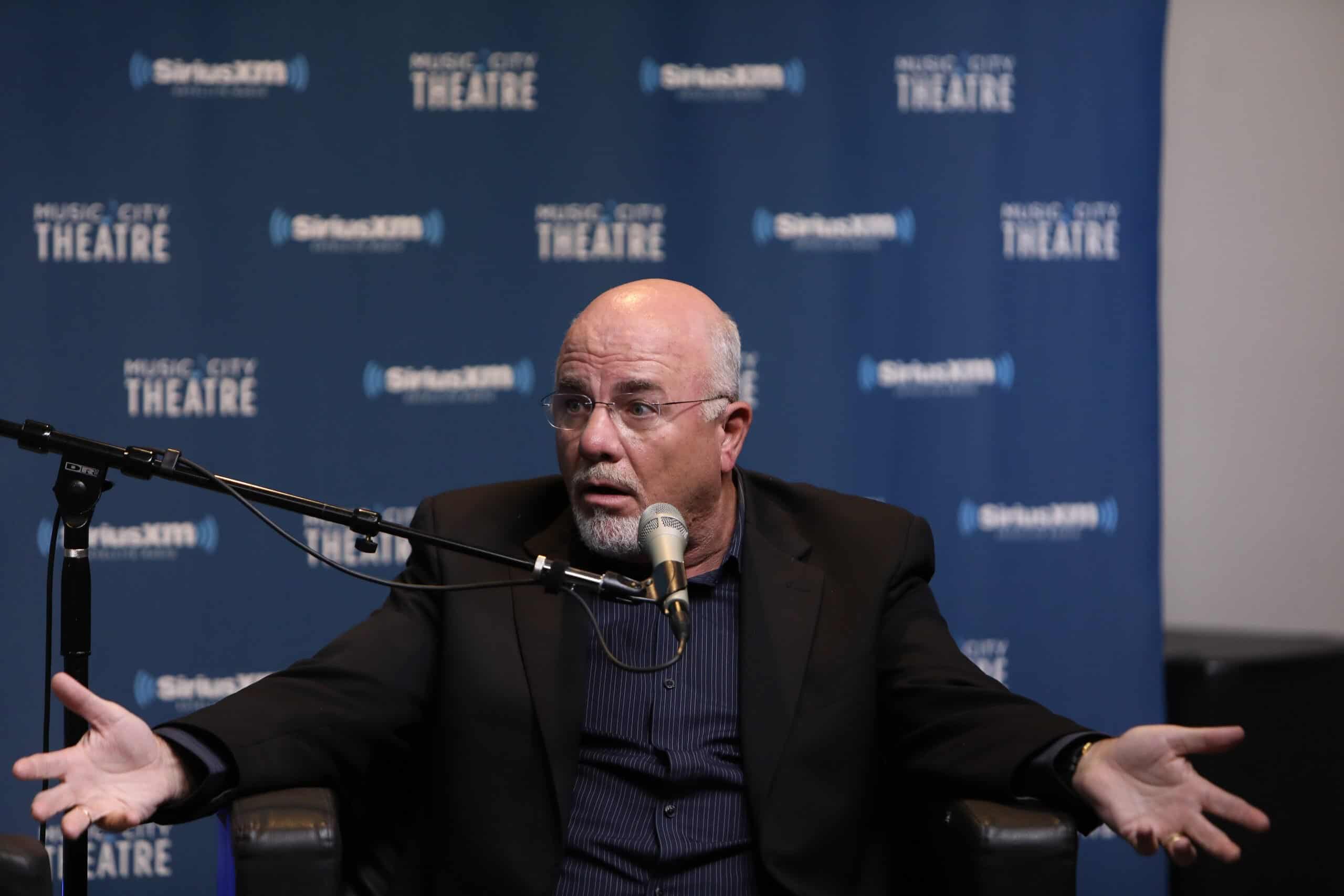
"Ramsey repeatedly stresses the importance of saving for emergencies. In fact, he has seven Baby Steps that he believes people should follow to achieve financial peace, and his very first baby step is to save up a starter emergency fund of $1,000. He also advises saving a full emergency fund with three to six months of living expenses once you have become debt-free."
"Ramsey is right that you should prioritize saving an emergency fund even before debt payoff, and he's also correct that the ultimate goal should be to have a savings account with three to six months of living expenses in it. An emergency fund is the foundation for your financial success. It can save you from getting into debt, getting foreclosed on, or facing other really dire consequences when life throws you a curve ball."
"If you're in the process of paying down debt, having an emergency fund first is also a good idea to make sure you don't fall back deeper into the hole after climbing out of it. As Ramsey points out, this can be really discouraging. You should listen to Dave and get working on your emergency fund now if you want to make sure you are setting yourself up for financial success."
Credit cards can be useful for building credit and earning rewards, so discouraging their use universally is unnecessary. Eliminating low-interest mortgage debt is not always necessary; carrying low-rate mortgage debt can be a strategic choice. Ignoring credit scores is an unwise approach. An emergency fund should be a top financial priority: establish a starter $1,000 fund, then build three to six months of living expenses. A solid emergency fund prevents falling back into debt, reduces foreclosure risk, and cushions against severe setbacks. Establishing a starter fund before aggressive debt repayment lowers relapse risk, and paying off nonmortgage debt improves financial resilience.
Read at 24/7 Wall St.
Unable to calculate read time
Collection
[
|
...
]