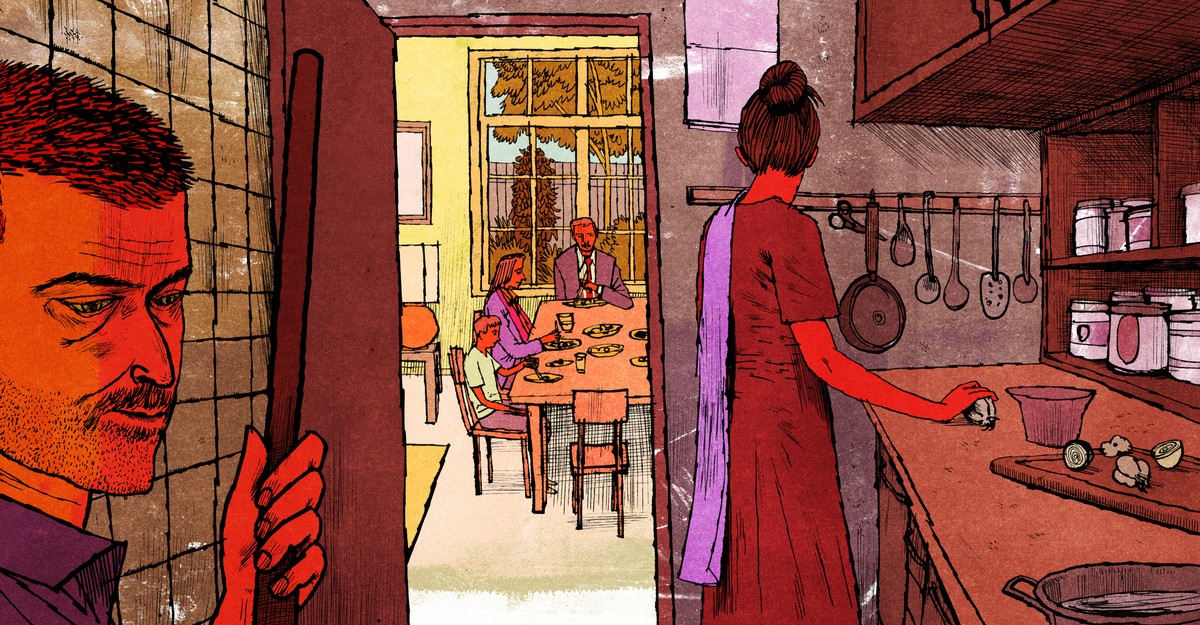
Books about masters and servants often originate from the moneyed class perspective, producing an inborn flaw in representation. Immersive journalism can sometimes bridge that gap, but such instances remain rare, especially in India and Pakistan where large domestic-worker populations and stark socioeconomic differences make status immediately legible. A feudal-connected, U.S.-educated Pakistani who managed a Punjab estate nevertheless renders servant lives with gentleness and attention equal to that given to the ultrarich. The stories place drivers, retainers, maids, and cooks alongside elite romantic problems. Close, specific details—such as an electrician's technique for cheating meters—illuminate servant experience without condescension.
"This gap can sometimes be breached through immersive journalism of the kind championed by George Orwell in Down and Out in Paris and London or Barbara Ehrenreich in Nickel and Dimed. But such instances are rare, and even harder to achieve in countries like India or Pakistan-places with large domestic-worker populations where socioeconomic differences are so harshly inscribed that one can, more often than not, immediately infer a person's status from their mannerisms and language."
"Mueenuddin is a U.S.-educated descendant of a Pakistani feudal family; he spent years running an estate in rural Punjab. In his prize-winning fiction, though, he is somehow able to enter the lives of the servant class with the same gentleness and attention that he lavishes on the ultrarich. The concerns of drivers, retainers, maids, and cooks exist alongside the romantic problems of Paris-hopping Pakistanis with cocaine addictions in his justly acclaimed debut collection, In Other Rooms, Other Wonders, from 2009. Small details shine."
Read at The Atlantic
Unable to calculate read time
Collection
[
|
...
]