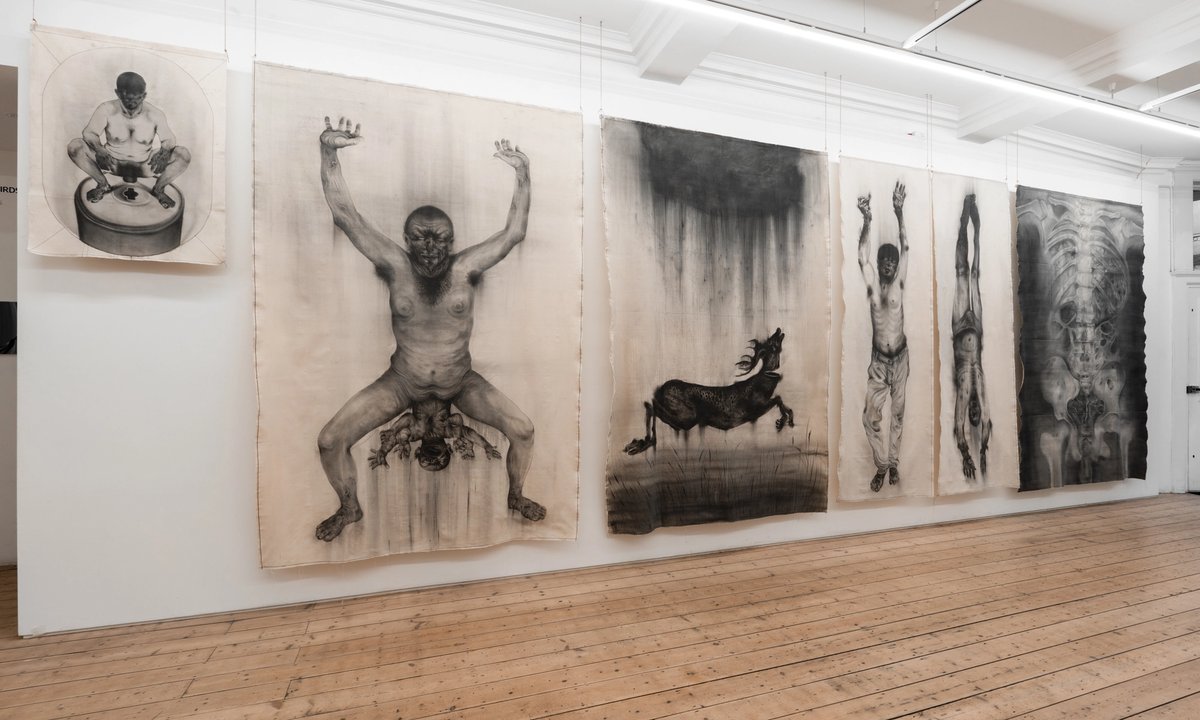
"I wasn't planning on closing. I believe that galleries and cultural spaces, especially in a country like Iran and in times of chaos, function as more than just physical spaces that showcase artworks. They can serve as spaces for free dialogue."
"This time feels different. It isn't simply about whether galleries stay open. This time it is about a unified act among many sectors of society: businesses, the bazaar, privately owned restaurants and cafés and others. We decided to stand with what was happening as part of a broader collective action. This is an act of unity."
"in its worst condition,"
Protests began on 28 December among bazaar traders angered by a crashing currency and spreading economic hardship. Demonstrations soon reached artists and gallerists, prompting many galleries to change opening hours, close before nightly protests, or cancel exhibitions amid public pressure. The government shut down the internet and other communications on 8 January, severely limiting information flow. An established gallery, reached through an intermediary, reported closing after reports of arrests and killings and described galleries as spaces for free dialogue. The gallery described the economy as in its worst condition, with many unable to afford basics such as meat, bread, eggs or oil. The gallery framed closures as part of a unified, cross‑sector collective action involving businesses, the bazaar, restaurants and cafés.
Read at The Art Newspaper - International art news and events
Unable to calculate read time
Collection
[
|
...
]