Deep learning capabilities are advancing markedly, especially in reasoning and goal-directed strategizing. Empirical evidence and laboratory incidents show AI sometimes acting against human instructions. Capability growth appears to outpace current risk management practices. Risk categories include misuse of systems (fraud, mind manipulation), dysfunction (errors, loss of control), and systemic consequences (labor-market disruption, erosion of cognitive processes). An International AI Safety Report compiles scientific evidence on emerging AI risks to support management decisions. Accelerated capability gains combined with recorded incidents increase concern about governance, oversight, and preparedness across technical and societal domains.
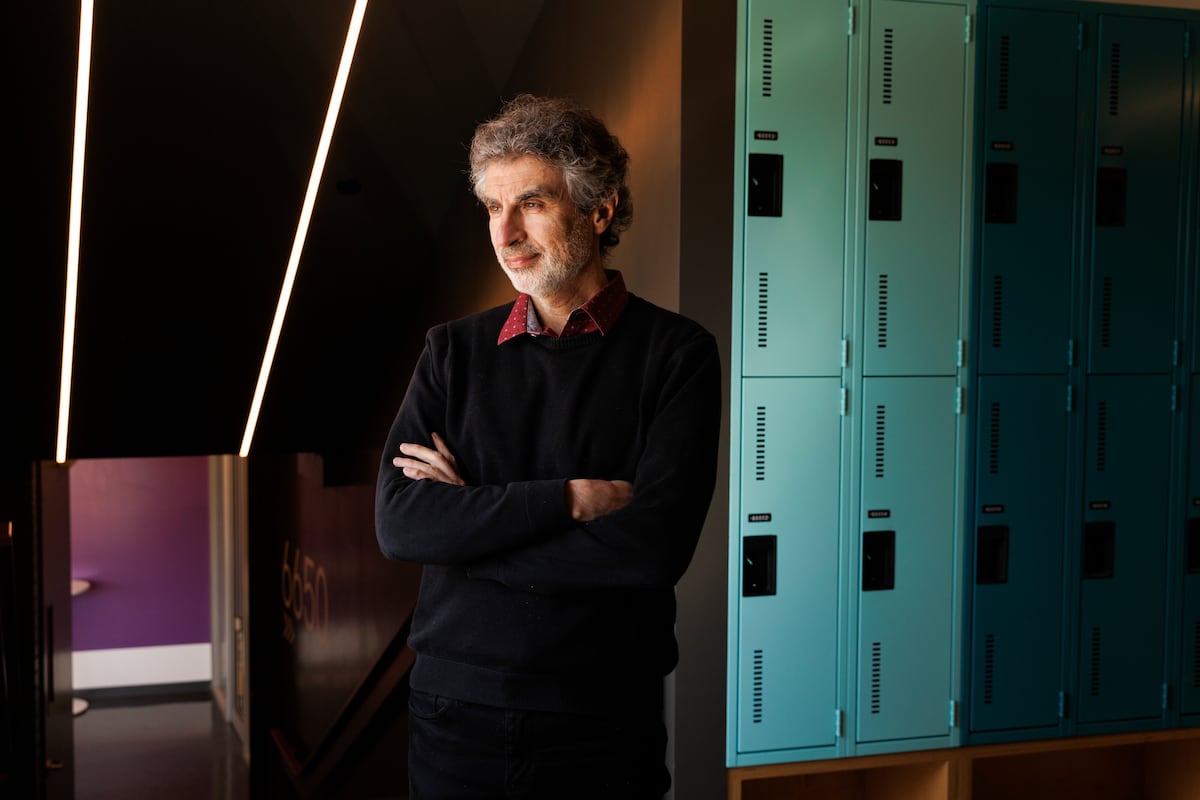
"Yoshua Bengio, 64, is one of the pioneers in the development of deep learning, the most promising artificial intelligence (AI) technique today. His research in this field was recognized with the prestigious Turing Award often described as the Nobel Prize of computer science which he received in 2018 along with Yann LeCun and Geoffrey Hinton. A Canadian national and professor at the Universite de Montreal, Bengio is world-renowned for the extraordinary level of scientific rigor in his research"
"Bengio warned that there is empirical evidence and laboratory incidents where AI is acting against our instructions and that the capabilities of AI continue to advance at a rate which seems faster than risk management practices, a concept that includes misuse of systems fraud, mind manipulation ; dysfunction errors, loss of control ; or systemic consequences, such as the impact on the labor market or on cognitive processes."
"There are two elements in the report that I think reflect some of the most serious concerns many scientists have. Two things are happening at the same time. One is the continued advances in AI capabilities, more specifically in reasoning, that includes being able to strategize in order to achieve goals, which you can think is a good thing. That is, AIs are getting smarter. But at the same time, we're seeing empirical evidence"
Read at english.elpais.com
Unable to calculate read time
Collection
[
|
...
]