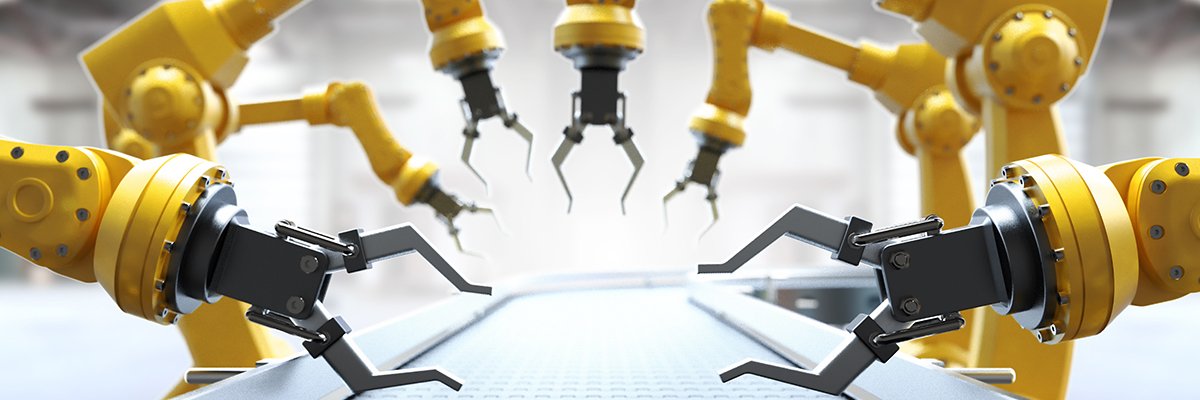
The global physical AI market is experiencing rapid growth due to advancements in robotics, edge computing, generative AI, vision technologies, and sensor technologies. A report tracks device shipments across vehicles, robots, drones, and AI cameras, highlighting the integration of intelligence into the physical world. Service robots are expected to dominate shipments, driven by diverse applications in various sectors. Industrial robots are also anticipated to gain traction as deployment becomes more feasible and cost-effective, with cumulative shipments projected to reach 145 million units by 2035.
"Physical AI represents the next major evolution of AI. While the first AI wave focused on digital intelligence - software that understands text, images and data - the next wave brings AI into the physical world, allowing machines to perceive their surroundings and interact autonomously."
"Cumulative physical AI device shipments, including vehicles, robots and drones, are predicted to reach 145 million units during 2025-2035, with service robots accounting for the largest shipment volumes."
"Service robots will drive the largest shipment volumes in the robotics segment, expanding across logistics, warehouses, hospitality, healthcare, cleaning, security and agriculture."
"Industrial robots are expected to see wider adoption driven by broader applications, improving scale, lower costs and easier deployment."
Read at ComputerWeekly.com
Unable to calculate read time
Collection
[
|
...
]