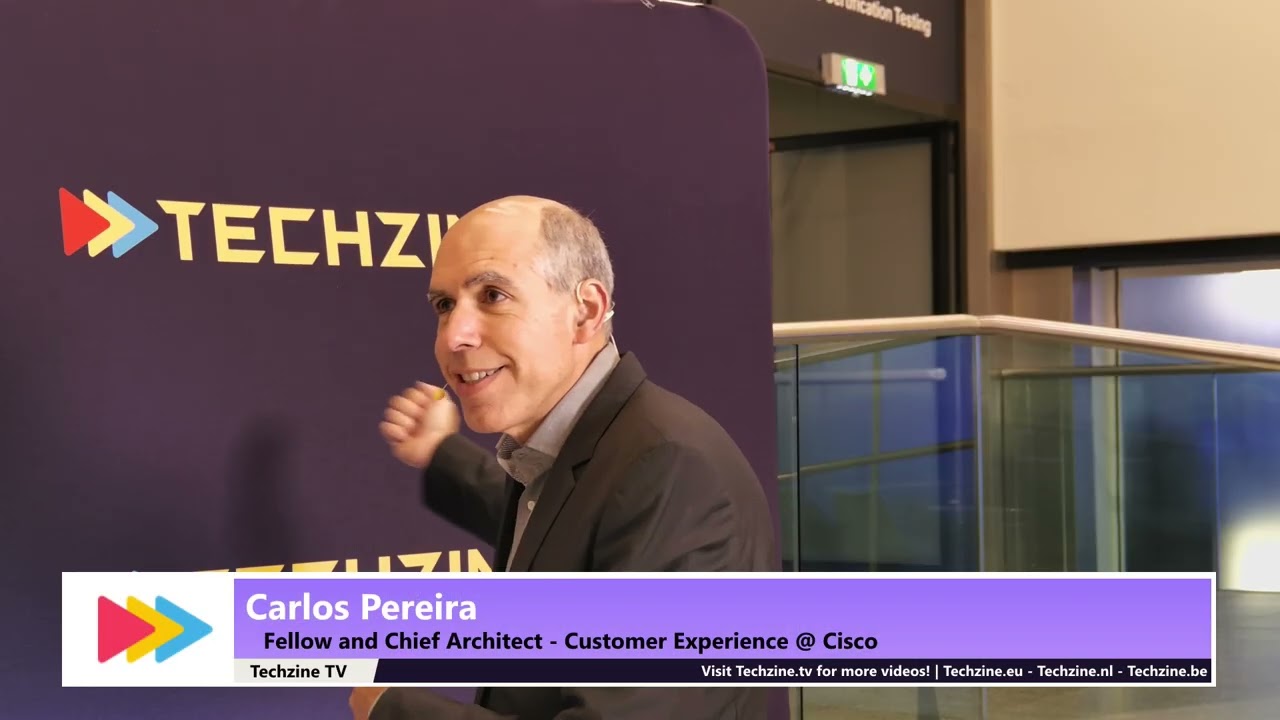
"Cisco CX maintains close collaboration with product development teams through systematic feedback mechanisms. When support teams identify patterns in product defects, or when adoption teams notice features that customers purchase but don't use, this intelligence flows back to engineering for correction or calibration. Pereira emphasizes that this feedback operates both pre-release and post-deployment. The CX organization participates in new product introductions to test and validate functionality before shipping. Then, the organization continues monitoring adoption patterns and support ticket trends after products reach customers."
"During our discussion, we talked about how Cisco CX manages the entire customer lifecycle while leveraging AI to optimize outcomes at scale. Cisco CX covers every phase of the customer journey, from initial product deployment through ongoing optimization and renewal. According to Pereira, this encompasses landing (initial licensing and authentication for SaaS or physical installation for hardware). It also includes adoption (maximizing value from purchased functionality), expansion (adding use cases), and renewal (preventing churn and ensuring continued value)."
Cisco CX manages the full customer lifecycle, from landing (licensing or hardware installation) through adoption, expansion, and renewal to maximize customer value and prevent churn. The organization combines customer success teams, professional services, technical support, and renewal teams to handle deployment, implementation, troubleshooting, hardware replacement, and recurring revenue management. AI and data-driven processes optimize outcomes at scale and surface patterns such as defects or underused features. Systematic feedback loops deliver intelligence to product development both before release and after deployment. CX participates in product introductions, validates functionality, and continuously monitors adoption and support trends to inform engineering corrections and calibration.
Read at Techzine Global
Unable to calculate read time
Collection
[
|
...
]