"Federal and state governments have outlawed "revenge porn," the nonconsensual online sharing of sexual images of individuals, often by former partners. Last year, South Carolina became the 50th state to enact such a law. The recent rise of easy-to-use generative AI tools, however, has introduced a new wrinkle: What happens when those images look real but have been created by AI? What's lawful in the U.S. and who's responsible is not yet clear."
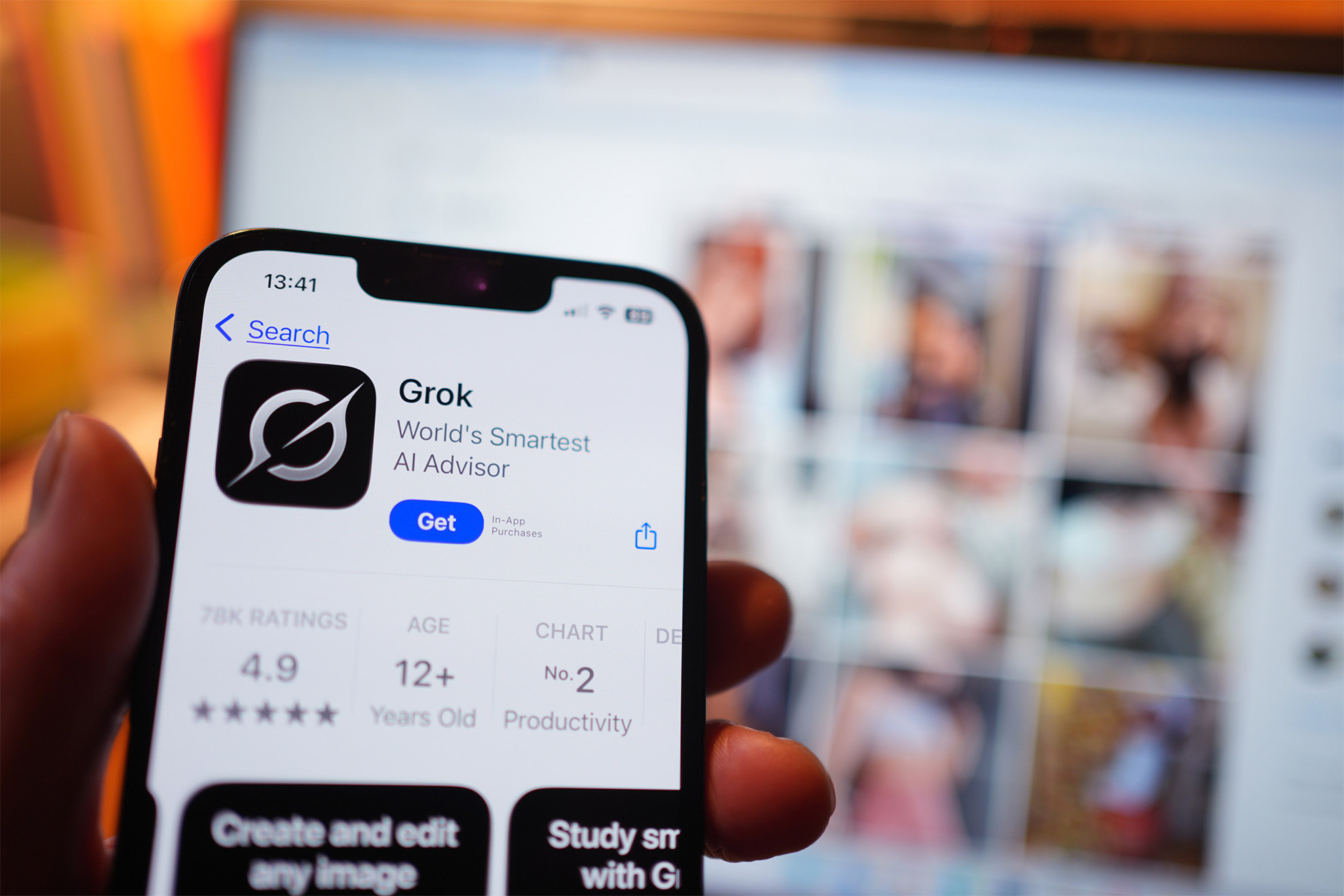
"The U.K. has threatened to ban X and Grok, Elon Musk's social media platform and AI model, for allowing users to create explicit deepfake images of people, including children. The European Union, China, and India strictly regulate all AI-generated content. Last week, South Korea passed a sweeping new law that holds GenAI models responsible for their misuse. The U.S. Senate passed a bill this month giving deepfake victims the right to sue; the House has not taken up the measure."
Federal and state laws already prohibit nonconsensual sharing of sexual images, but generative AI enabling realistic fabricated explicit images complicates enforcement and harms. Several countries have moved quickly to regulate AI-generated content or hold models and platforms accountable, with measures ranging from platform bans to model liability. South Korea enacted a law assigning responsibility for misuse to GenAI models. The U.S. Senate passed a bill granting deepfake victims the right to sue, though the House has not acted. The increased scale and realism of AI deepfakes heightens injury and intrusion, creating novel legal and regulatory challenges.
Read at Harvard Gazette
Unable to calculate read time
Collection
[
|
...
]