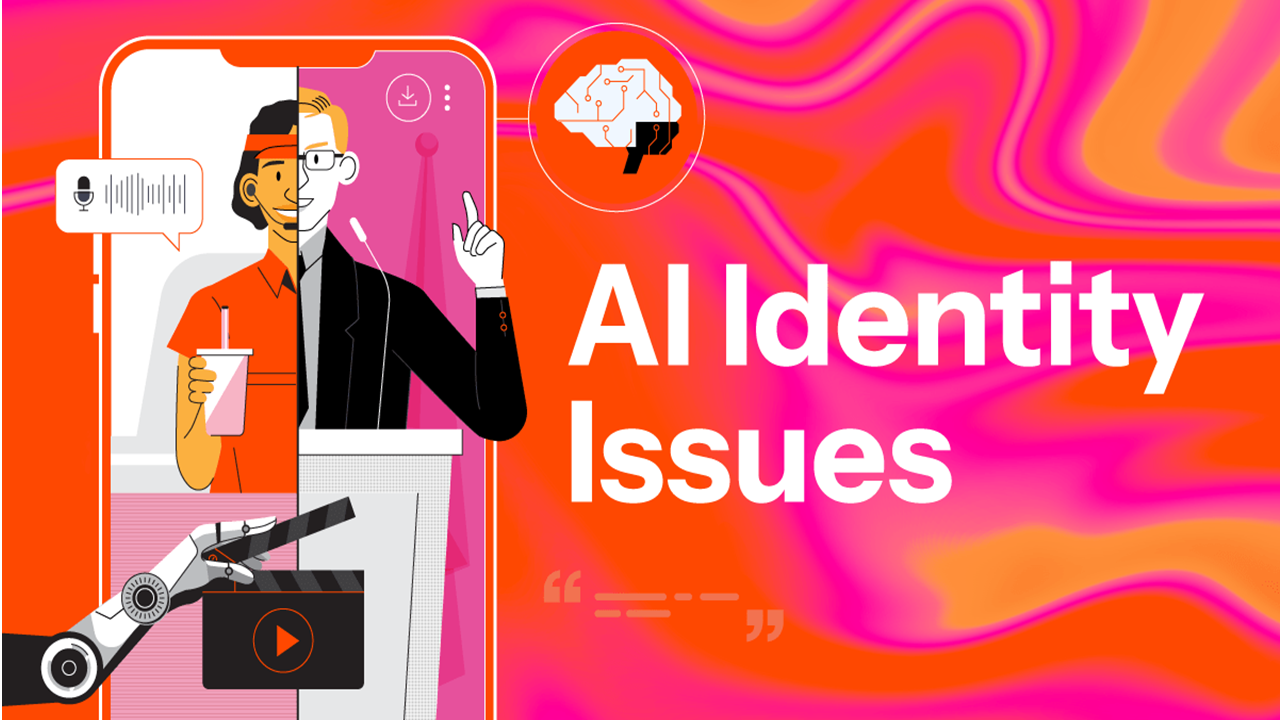
"According to research published by Kapwing, which analyzed video output from Google's Veo 3, OpenAI's Sora 2, Kling, and Hailuo Minimax, only 21.62% of lawyers depicted by these AI tools were represented as women. This is barely half the real-world figure. According to 2023 American Bar Association data cited in the study, women make up 41.2% of the legal profession. For judges, videos depict women in judicial roles 9.19% less that is true in real life."
"The disparity was particularly stark with Hailuo Minimax, which failed to depict any lawyers as women in its generated videos. The study's findings on lawyer representation exemplify a broader pattern of gender bias the researchers identified across high-paying professions. When the tools were prompted to generate video footage of CEOs, they depicted men 89.16% of the time. Overall, the AI tools represented women in high-paying jobs at rates 8.67 percentage points below real-life levels."
"Overall, the tools portrayed 77.3% of people in high-paying roles as white, compared to just 53.73% in low-paying roles. Asian people were depicted in low-paying jobs three times as frequently as in high-paying positions."
Google's Veo 3, OpenAI's Sora 2, Kling, and Hailuo Minimax depicted only 21.62% of lawyers as women, while women comprise 41.2% of the legal profession per 2023 ABA data. Hailuo Minimax generated no women lawyers in its outputs. Videos depict women in judicial roles 9.19 percentage points below real-life levels. When prompted for CEOs, the tools depicted men 89.16% of the time, and women in high-paying jobs were underrepresented by 8.67 percentage points overall. The tools portrayed 77.3% of people in high-paying roles as white versus 53.73% in low-paying roles, with Asian representation skewed toward lower-paying positions. Prompts produced up to 25 professionals per video and outputs were manually labeled for perceived gender expression and racialization.
Read at LawSites
Unable to calculate read time
Collection
[
|
...
]