#ai-video-generation
#ai-video-generation
[ follow ]
#deepfakes #openai #content-moderation #sora #veo-3 #bytedance #copyright-infringement #sora-2 #content-creation
fromFuturism
1 day agoOpenAI's Attempt at an AI-Generated Pixar-Style Movie Is in Shambles
The film, “Critterz,” was intended to debut at this year's Cannes Film Festival, but missed out on that deadline after OpenAI shuttered its Sora AI video generator, Bloomberg reports. With OpenAI's “Toy Story” moment sounding like yet another shuttered dream, the film's creators are now looking for a new AI partner to continue making the film. In an interview with Bloomberg, co-producers Chad Nelson, an OpenAI creative strategist, and James Richardson said that they're now aiming to release “Critterz” in the first quarter of next year.
Independent films

fromEngadget
1 week agoGoogle's Gemini Omni can generate 'anything from any input,' starting with video - Engadget
Google called Gemini Omni "the next step" up from Nano Banana and, presumably, its current video generator, Veo 3.1. It lets you "combine images, audio, video and text as input and generate high-quality videos grounded in Gemini's real-world knowledge," according to the tech giant. You can then edit those videos through natural conversation, with each instruction building on the last to keep characters and other elements consistent.
Mobile UX


fromThe Local France
2 weeks agoCannes Festival signs up Meta as sponsor amid AI fears
Meta said in a statement that it was "proud to be an official partner of the Festival de Cannes in a new multi-year strategic partnership", replacing social video platform TikTok. The group is set to organise a series of promotional events for its video-enabled Ray-Ban Meta glasses, which are becoming increasingly popular among influencers but have sparked privacy fears. It will also showcase its new artificial intelligence-powered video generative technology, which has been embraced by Oscar-winning "Traffic" director Steven Soderbergh for his latest film.
Film
Vue
fromLondon Business News | Londonlovesbusiness.com
2 weeks agoVeo 4 could enable 30-second cinematic AI videos - London Business News | Londonlovesbusiness.com
Veo 4 is rumored to generate up to 30 seconds of continuous, cinematic video in one pass with consistent characters and lighting, reducing editing and mismatch issues.

#openai



Media industry
fromFortune
5 months ago'Creativity is the new productivity': Bob Iger on why Disney chose to be 'aggressive,' adding OpenAI as a $1 billion partner | Fortune
OpenAI and Disney agreed to a $1 billion, three-year partnership licensing about 200 Disney characters for OpenAI's Sora video-generation platform with intellectual-property protections.


fromTechRepublic
2 months agoByteDance Delays AI Video Tool Amid Hollywood Pushback - TechRepublic
ByteDance put the global launch on hold after disputes with major Hollywood studios and streaming platforms. That pressure is not happening in isolation. Copyright fights have become one of the central fault lines in generative AI, especially for image, music, and video tools trained on large datasets.
Intellectual property law
Artificial intelligence
fromBusiness Insider
2 months agoThis AI company is hiring improv actors - and willing to pay them $74 an hour
Handshake AI is hiring actors to record improvised scenes at $74 per hour for an unnamed leading AI company, representing growing demand for non-tech professionals in AI development.
fromThe Jerusalem Post | JPost.com
2 months agoIsraeli company reveals new AI motor launched amid Iran war | The Jerusalem Post
Today, with V4, we're setting a new benchmark for avatar fidelity and performance while keeping it fast enough for real-time conversations and consistent, efficient, and secure enough for enterprise scale. The avatars, trained on footage of real-life professional actors to achieve realistic responses, can offer real-time emotion and sentiment alignment with LLM responses.
European startups
fromTechCrunch
2 months agoByteDance reportedly pauses global launch of its Seedance 2.0 video generator | TechCrunch
Brief videos generated by the model, including a clip featuring Tom Cruise fighting Brad Pitt, soon went viral and drew intense criticism from Hollywood. While one successful screenwriter declared that the footage meant, "It's likely over for us," studios quickly sent ByteDance a flurry of cease-and-desist letters, with Disney's lawyers accusing the company of a "virtual smash-and-grab of Disney's IP."
Intellectual property law
Artificial intelligence
fromWIRED
2 months agoByteDance's AI Ambitions Are Being Hampered by Compute Restraints and Copyright Concerns
ByteDance's Seedance 2.0 video model demonstrates superior capabilities compared to existing AI video generators, shocking China's AI ecosystem with its director-like thinking and creative potential.
Roam Research
fromThe Verge
2 months agoNotebookLM can now summarize research in 'cinematic' video overviews
Google's NotebookLM now generates fully animated cinematic videos from user notes using AI models including Gemini 3, Nano Banana Pro, and Veo 3, advancing beyond previous narrated slideshow capabilities.



Artificial intelligence
fromLawSites
3 months agoAI Video Tools Depict Lawyers and Judges As Women At Far Lower Rates than Real Life, New Study Finds
AI video-generation tools substantially underrepresent women and people of color in legal and other high-paying professions compared with real-world workforce data.

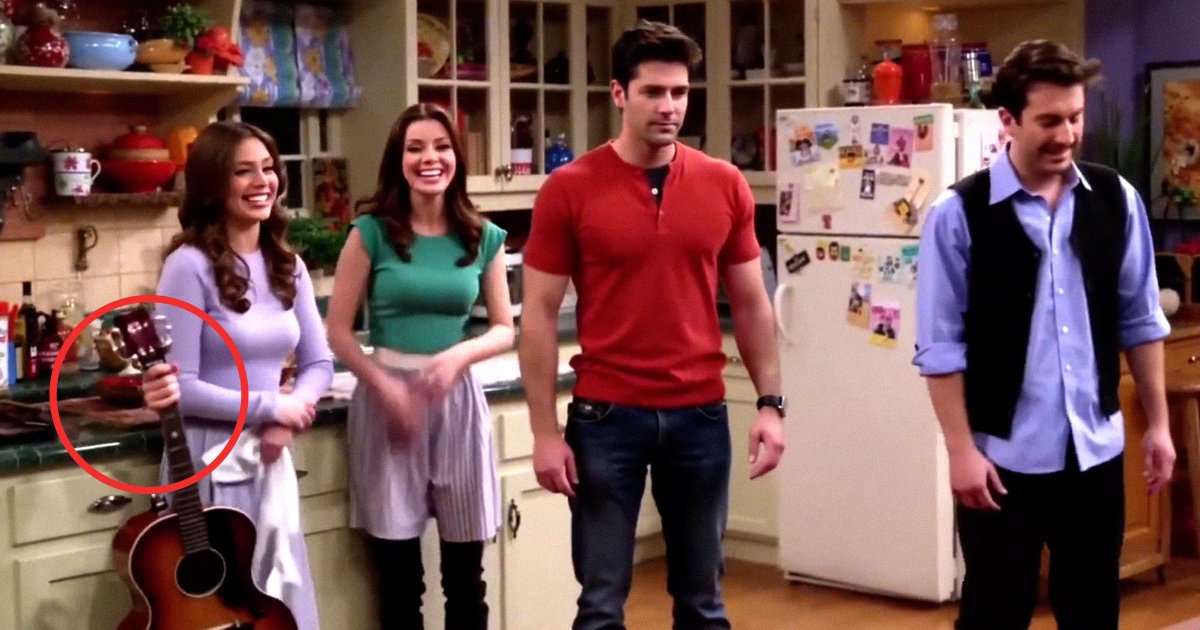

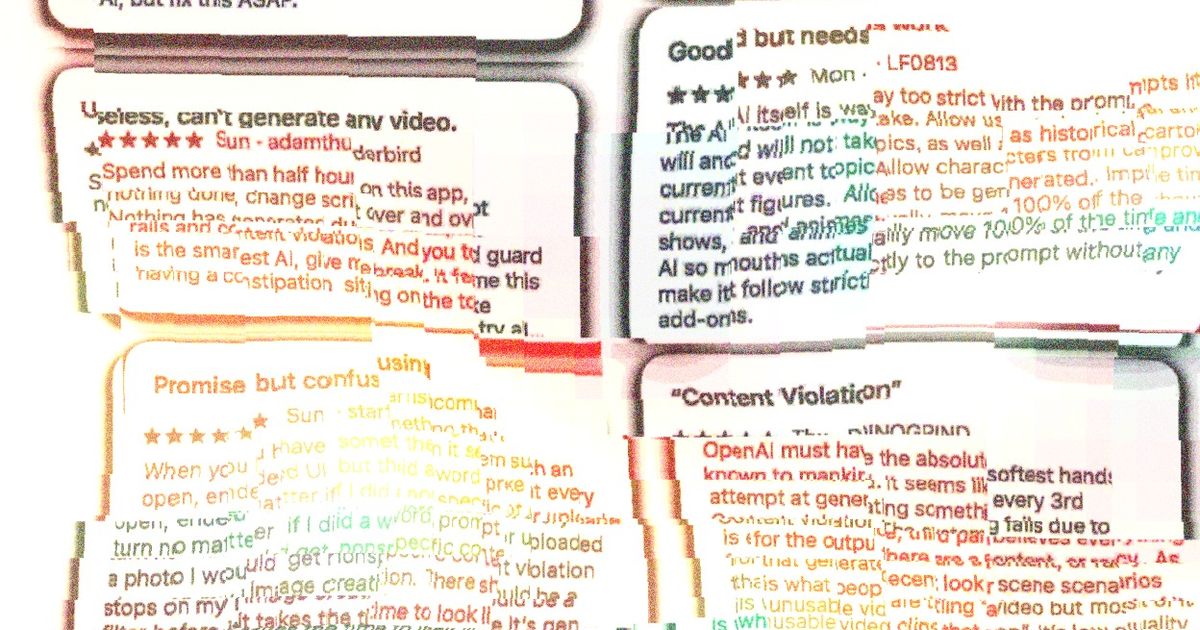


fromTechCrunch
5 months agoAdobe Firefly now supports prompt-based video editing, adds more third-party models | TechCrunch
Adobe is updating its AI video-generation app, Firefly, with a new video editor that supports precise prompt-based edits, as well as adding new third-party models for image and video generation, including Black Forest Labs' FLUX.2 and Topaz Astra. Until now, Firefly only supported prompt-based generation, so you would have to recreate the entire clip if any part of the video was not to your liking. With the new editor, you can use text prompts to edit video elements, colors, and camera angles, and we also get a new timeline view that lets you adjust frames, sounds and other characteristics easily.
Software development
fromBusiness Matters
5 months agoAI Video Generation: Transforming Business Communication for UK SMEs
Social media has become an essential marketing channel for entrepreneurs, yet finding time to maintain an active presence remains a major challenge. For busy business owners, the constant pressure to create engaging content, respond to comments, and stay visible across multiple platforms can feel overwhelming. The reality is that effective social media engagement requires strategy, not just sporadic posting. Many entrepreneurs struggle to balance social media management with their core business responsibilities.
Marketing
fromFast Company
6 months agoYou can virtually bring back the dead with AI. Should you?
As I uploaded a 1940s photo of my grandpa Max and hit a few buttons in Google's Veo 3 video generator, I saw a familiar family photo transform from black and white to color. Then, my grandpa stepped out of the photo and walked confidently toward the camera, his army uniform perfectly pressed as his arms swung at the sides of his lanky frame. This is the kind of thing AI lets you do now-virtually bring back the dead.
Artificial intelligence
fromAl Bawaba
6 months agoYouTube to launch Veo 3 in Shorts MENA as new data shows 61% of Saudi Shorts users aren't on Reels | Al Bawaba
Today at its flagship advertiser event, Brandcast, YouTube announced it will begin rolling out Veo 3, Google's most powerful AI video generation model, on YouTube Shorts for free to select countries in MENA over the coming weeks. The announcement comes as new GWI data reveals a significant, unique audience on the platform, with 61% of YouTube Shorts users in Saudi Arabia and 54% in the UAE reporting that they do not use Instagram Reels.
Marketing tech
fromFast Company
7 months agoI made an entirely fake YouTube channel with Sora and got 21,400 views
The kinds of videos that do well on YouTube Shorts are depressingly predictable: cute cats, heated arguments, crazy stunts, and plenty of good old-fashioned shots of people suffering low-key injuries. The issue is that the real world produces only so many epic fails. And of the small number that do happen, even fewer are caught on video. Think of all the airplane passenger arguments and dropped wedding cakes that have gone untaped and unposted!
Artificial intelligence
fromNieman Lab
6 months agoHundreds of thousands of videos from news publishers like The New York Times and Vox were used to train AI models
Last month, The Atlantic dropped the latest investigation in its ongoing series on generative AI training data sets. Staff writer Alex Reisner found that at least 15 million YouTube videos had been used for training data by major technology companies, either for research or, in some cases, to build AI video products.
Artificial intelligence
fromBusiness Insider
7 months agoElon Musk's xAI used clips from 'Hellboy II' to train workers for its video AI project
Grok Imagine, an image and video generation tool, debuted in July. Musk said earlier this month that the company plans to release a "watchable" full-length film by the end of 2026, and "really good movies" in 2027. He has hyped up the chatbot's image generation skills, from reenactments of the final scene of "King Kong" to a version of "Iron Man" in which he plays Tony Stark.
Artificial intelligence
fromZDNET
7 months agoI tried the new Sora 2 to generate AI videos - and the results were pure sorcery
Based on OpenAI's Sora 2 model, the Sora app and site devise videos in a few seconds based on your text descriptions. You can add audio to your video with both sound effects and dialog that sync up with people speaking. You can also choose the style -- anything from animated to photorealistic to surreal. Also: There's a new OpenAI app in town - here's what to know about Sora for iOS
Artificial intelligence


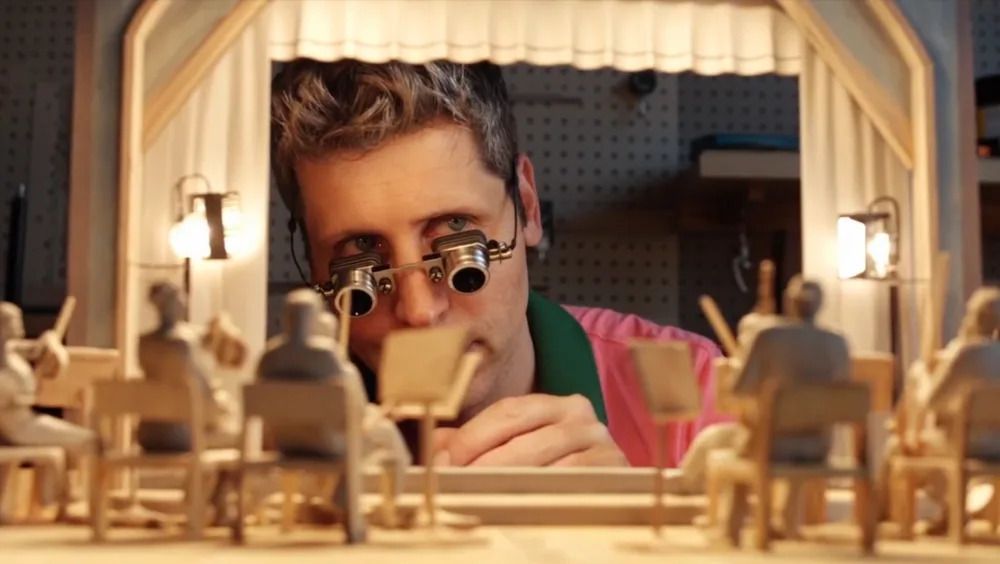


fromFuturism
7 months agoSora 2 Is Creating Ads for "Epstein Island" Children's Toys
On an initial glance, a video that's going viral on social media looks like a typical 1990s TV commercial for a children's toy set of a tropical island: there are palm trees, a waterfall, and - wait a minute - there's also a secret massage room, and even an "Orange Man" action figure who looks exactly like Donald Trump and says "don't release the files" in an ominous voice.
Artificial intelligence
Artificial intelligence
fromLondon Business News | Londonlovesbusiness.com
8 months agoAppy Pie design rebrands as Pixazo with free unlimited AI image and video generation during launch week - London Business News | Londonlovesbusiness.com
Appy Pie Design rebranded as Pixazo, offering faster tools, proprietary AI models, and free unlimited access during Launch Week.


fromGeeky Gadgets
8 months ago10 Best AI Video Creation Tools for Marketers, Creators and Businesses
Whether you're a filmmaker chasing cinematic precision, a marketer scaling ad campaigns, or a solo creator on a tight budget, there's a tool here for you. From Google's V3 with its film-grade fidelity to Clipyard's lifelike avatars, each platform offers unique strengths tailored to specific needs. We'll also share a few bonus tools for those seeking niche features or alternative solutions. The possibilities are vast, and the right tool could transform not just your workflow, but the way you tell stories.
Artificial intelligence
Artificial intelligence
fromThe Verge
11 months agoAdobe made a mobile app for its Firefly generative AI tools
Adobe's Firefly mobile app allows creatives to generate images and videos using text descriptions on iPhone and Android.
The Firefly app syncs creations to Creative Cloud for seamless cross-device work.
[ Load more ]