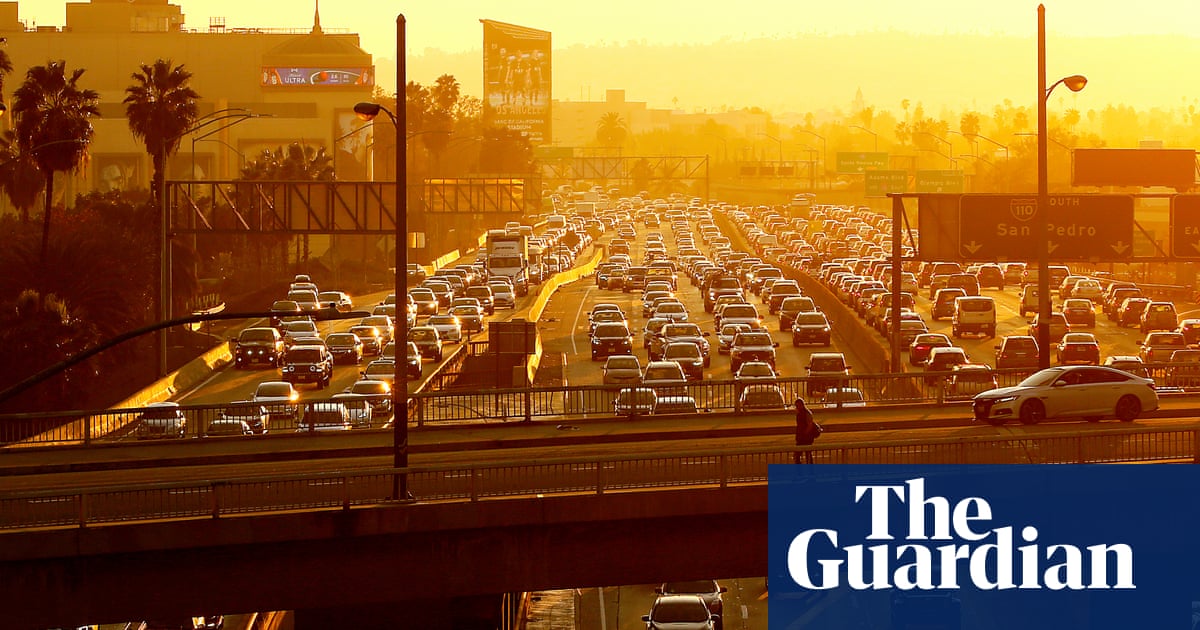
"Making sure public transport can meet the mobility needs of residents is step one, says Alissa Kendall, the director of the Institute of Transportation Studies at the University of California, Davis. If travel is prohibitively slow, if it doesn't get you to where you need to go, it will never encourage those wealthy enough to own and operate a car to stop buying and using them and it won't serve the needs of those who are transit dependent."
"Free bus travel, for example, became a centrepiece of Zohran Mamdani's successful New York mayoral campaign, but research suggests lower-cost tickets have only a limited effect on reducing car use. Matthias Cremer-Schulte, a transport researcher at the Technical University of Dortmund, says: The people who benefit most are often those who were already using public transport. The ones who really matter for reducing car use people who drive because they need the flexibility are rarely tempted by a cheaper bus ticket alone."
"As cars came to dominate cities after the second world war, public space was redesigned around them. Pedestrians were relegated to narrow pavements and cyclists had to decide whether riding a bike on the road was worth the risk to their life. A GVB tram in Amsterdam, the Netherlands. Photograph: Alfredo Martinez/Getty Images"
"Giving road space back to other forms of transport is one of the most powerful tools that cities have to get people out of cars. By carving out lanes for bikes, converting parking spaces into green areas and pedestrianising streets, mayors can encourage active forms of travel by making it safer and more convenient."
Electric vehicles reduce planet-heating pollution compared with fuel-burning cars, but they do not automatically make streets safer. Reliable mobility options are needed to shift travel behavior. Public transport must be fast, dependable, and able to reach key destinations, otherwise it will not persuade car owners to stop driving and will not meet the needs of people who rely on transit. Sprawling city layouts make connections harder than in denser European and Asian cities. Lower-cost or free bus travel can help some riders, but evidence suggests it often benefits people who already use public transport. Greater reductions in car use come from reallocating road space, such as protected bike lanes, converting parking to green space, and pedestrianising streets to improve safety and convenience.
Read at www.theguardian.com
Unable to calculate read time
Collection
[
|
...
]