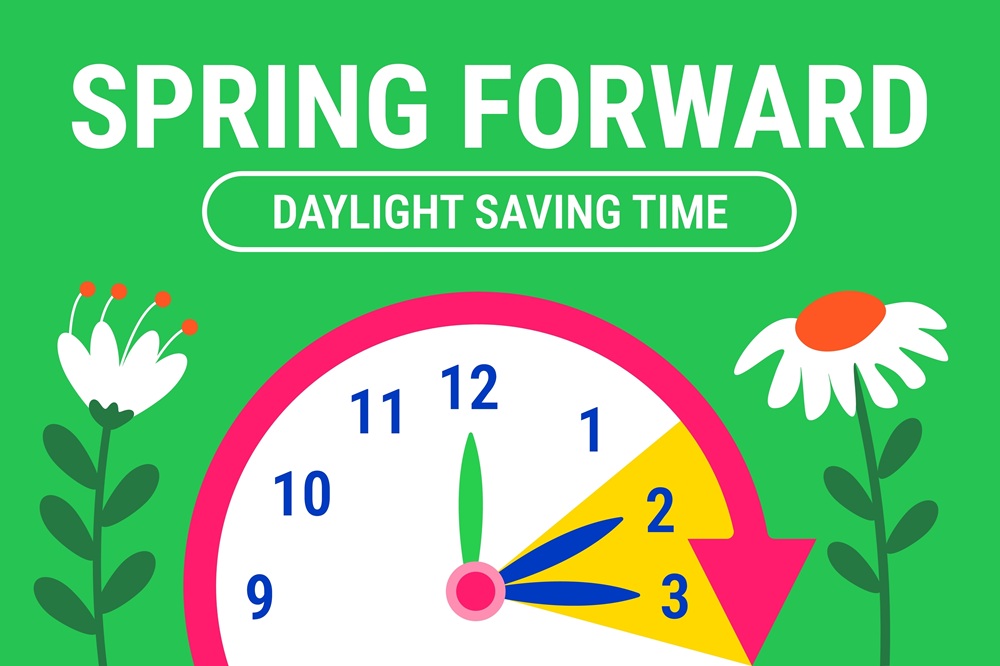
"Research shows that in the days following the spring transition, there are measurable increases in sleep disruption, impaired alertness, workplace errors, motor vehicle accidents, and even short-term elevations in cardiovascular events and blood sugar variability."
"When the clock moves forward, we are shifting sleep, light exposure, melatonin timing, cortisol rhythm, insulin sensitivity, digestion, and even gut microbial oscillations. In other words, we are advancing the entire light-food-hormone axis. This is called phase advance, which is much more difficult than gaining an hour (phase delay)."
"Spring daylight saving time is like asking your body to fall asleep earlier and wake earlier relative to its internal clock. This is biologically harder than staying up later. If you do nothing, the week after the time change can lead to: More morning grogginess, Higher post-meal glucose, Stronger cravings, Fragmented sleep, Mood dips."
Daylight saving time's spring transition shifts the entire light-food-hormone axis forward, disrupting sleep, melatonin timing, cortisol rhythm, insulin sensitivity, and gut microbial oscillations. This phase advance is biologically more difficult than phase delay because it requires falling asleep and waking earlier relative to the body's internal clock. Following the time change, people experience increased morning grogginess, elevated post-meal glucose levels, stronger carbohydrate cravings, fragmented sleep, and mood disturbances. Midlife women may experience these effects more intensely due to naturally declining melatonin production with age. Strategic interventions can smooth this transition for brain, metabolism, and mood.
#daylight-saving-time #circadian-rhythm-disruption #sleep-and-metabolism #health-effects #hormonal-changes
Read at Alternative Medicine Magazine
Unable to calculate read time
Collection
[
|
...
]