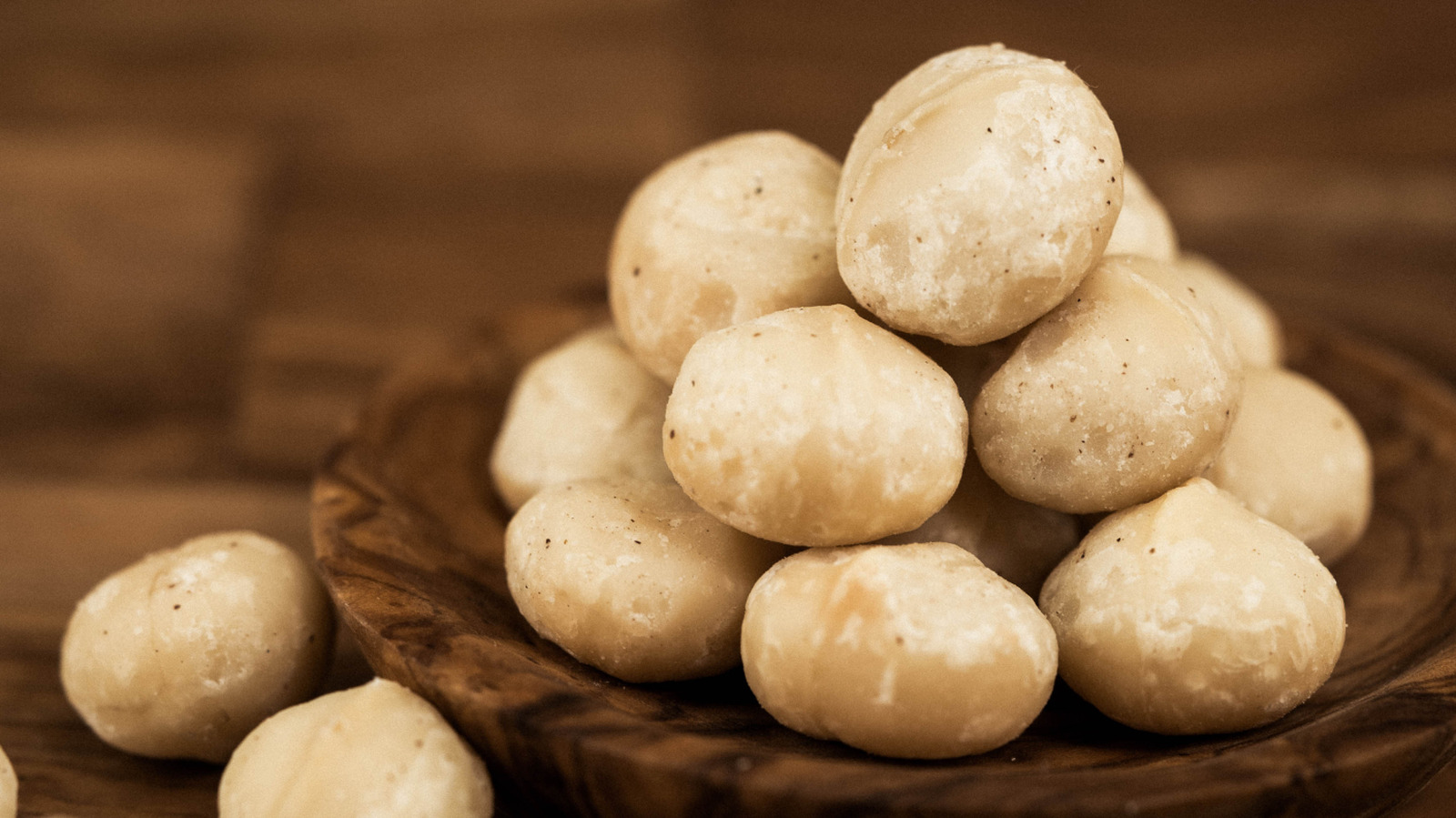
"The tropical island chain of Hawaii is deeply tied in the global mind with a handful of agricultural products. Bright, fresh pineapple from the famous Dole plantation is certainly one, Kona coffee grown on the Big Island's volcanic slopes another, but there may be none more emblematic and prized than the macadamia nut. Chocolate-covered macadamias are a favorite souvenir to bring back from a trip to the Aloha State,"
"Back in 2024, the Hawaii legislature passed, and Governor Josh Green enacted Act 199, a law requiring that as of January 1, 2026, products that contain macadamia nuts produced outside the Aloha State be labeled: "This package contains macadamia nuts that were not grown in Hawaiʻi." The law is intended both to strengthen consumer confidence and highlight the quality of the local macadamia nuts, which are considered by many to be a premium product."
"These treasured nuts are a major product in Hawaii, with the majority of cultivation occurring on the Big Island, but they are not the world's top producer of macadamia nuts, nor is the product native to the island. Macadamia nuts actually originated in Australia, though they have been grown in Hawaii since the 1800s. However, given that nothing comes cheap in the Aloha State, the monetary incentiv"
Hawaii's macadamia nuts are a signature agricultural product, widely used in local recipes and souvenirs. Act 199 mandates that, starting January 1, 2026, products containing macadamia nuts produced outside the state must carry the label: "This package contains macadamia nuts that were not grown in Hawaiʻi." The measure aims to strengthen consumer confidence and to highlight the perceived premium quality of locally grown macadamias. Most Hawaiian macadamia cultivation occurs on the Big Island. Macadamias originated in Australia and have been grown in Hawaii since the 1800s. The labeling requirement responds to local economic realities and consumer desire for authentic Hawaiian-sourced goods.
Read at Tasting Table
Unable to calculate read time
Collection
[
|
...
]