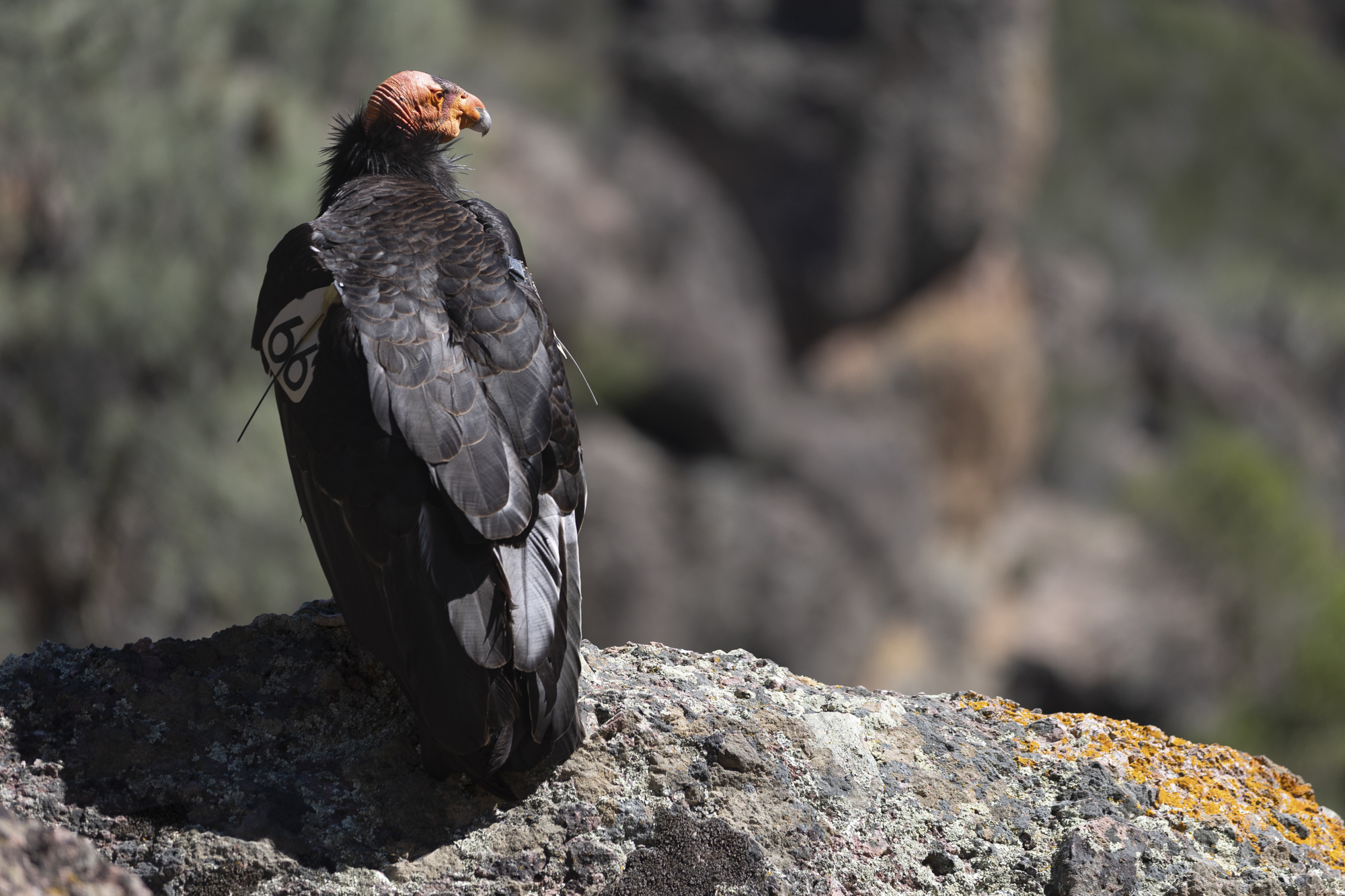
Condors, North America's largest land birds, have increased from 23 to over 600 due to conservation efforts. However, their population struggles persist. Behavioral changes have led them to forage further from conservation food sites, increasing their risk of lead exposure from shot animals. In California, farmworkers express concerns over agricultural technology investments, fearing job displacement and environmental impacts. Protests occurred at a UC Merced event discussing these technologies, highlighting the tension between technological advancement and worker security.
"Condors, once reduced to a mere 23 individuals, have rebounded to over 600 due to extensive conservation efforts. However, their recovery is not as successful as anticipated."
"The behavioral shift in condors, foraging further from conservation food sources, has led to increased encounters with lead-contaminated carcasses, posing a significant health risk."
"Farmworkers are concerned that investments in agricultural technology will result in job losses and displacement, raising alarms about the environmental consequences of such advancements."
"Protests at UC Merced against agricultural technology investments reflect the fears of both farmworkers and students regarding the future of their jobs and the environment."
Read at Kqed
Unable to calculate read time
Collection
[
|
...
]