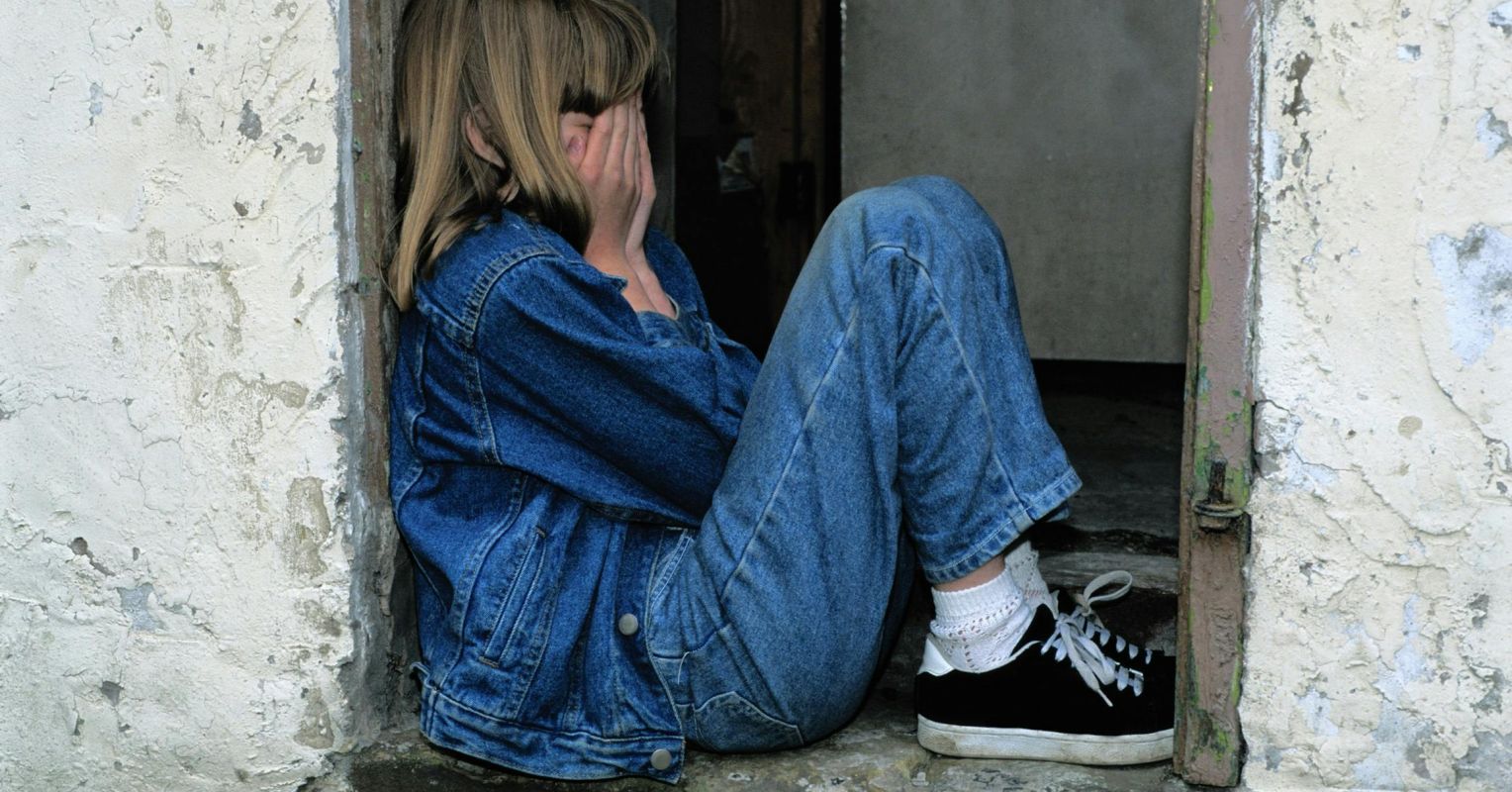
To start resolving our hurt, it helps to pause and ask ourselves a different question: What kind of wound am I dealing with? Many painful experiences-rejection, disappointment, humiliation, betrayal, exclusion-do not leave traumatic injuries. They leave emotional wounds. These wounds are real and impactful, even when they do not necessarily involve threat, terror, or a nervous system focused on survival. And yet, they can linger for years, shaping how we see ourselves and others long after the event has passed.
The first thing the interviewer asked me was, "Why the name Running on Empty? Where did that come from?" To be honest, I was somewhat unprepared for this question, and I stumbled a bit. The only answer I could think of at first was: "Because that's what childhood emotional neglect makes you feel." It made such intuitive sense to me that I had never even thought about how to explain it.
In healthy relationships, people tend to feel safe and respected. You may argue, but you don't fight. A level of respect and care is maintained, and the past is not brought up as a weapon. Over time, your nervous system learns that this person is reliable. In unhealthy relationships, especially those involving emotional abuse, attachment works differently. Instead of safety, the bond forms around chaos and survival. This process is known as a trauma bond.
Gambit is a versatile support, with high healing, high damage, and anti-heal, something unique to him on the support roster at the time of release. For his primary attack, he throws three playing cards in an arc outward, which explode on impact healing teammates and damaging enemies. The base healing is 28 per card, and the damage is 20 per card.
Now, in this final part (transformation), we follow Claire further: how her need for control - once an adaptive defence - turns into a closed system of fear, and how healing begins not by surrendering control, but by understanding what it has been protecting all along. Compensatory Narcissism and Mnemonic Anger Claire's discipline is often mistaken for pride, but it is, in fact, compensatory narcissism-not vanity, but a defence against humiliation, a defensive self-idealisation that repairs a wounded sense of worth.
That if we just hold space long enough, people will change. Heal. Transform. But here's what I've learned the hard way: Love only transforms when both people are willing participants in healing. Love cannot live where there is no safety. It cannot grow in an environment ruled by control or fear. And it cannot thrive when one person is constantly shrinking just to survive.
Instead of home repair, this Afrofuturist exhibition explores the concept of reparations, imagining what a "transformed world actually looks like and feels like." The exhibition, titled " Futures of Repair," has brought together six artists to create an entire world set in 2165-about 125 years after theoretical global reparatory actions transformed society. The result? A powerful space filled with interactive installations, sound sculptures, meditation space and healing.
People want to understand how and why women experience violence at the hands of people who claim to love them, and they want to know what women can do when they've experienced these atrocities. They want a window into making sense of an experience, either because it's so seemingly foreign or so altogether disturbingly familiar as to resemble their own. This is why we often crave insight into others' perceptions of their own lives as well as their perceptions of others' reactions.
In 5th grade, we had a class project to interview one of our grandparents. It seemed simple enough: Spend time with someone who loved you and ask them questions about their life. Looking back, I understand the real purpose of the assignment: to foster connection across generations, to learn what our grandparents' lives were like when they were our age.
People-pleasing is not a personality trait. It is part of the trauma response known as fawning. Although it can be a useful mechanism at times, existing in a state of fawning leads to exhaustion and losing touch with oneself: who you are, what you want, and what you need. To heal, it is necessary to learn how to focus less on what other people think for the sake of rediscovering who you are.
You absolutely deserve to feel hurt and betrayed by your husband, but you should look elsewhere for compassion and healing. Therapy, friends, books, podcasts, support groups, those rooms where you pay an hourly fee to use a hammer to destroy a bunch of stuff-whatever feels right to you.