World news
fromFortune
1 month agoSaudi pipeline to bypass Hormuz hits 7 million barrel goal | Fortune
Saudi Arabia's East-West pipeline is operating at full capacity, ensuring oil supply despite the closure of the Strait of Hormuz.
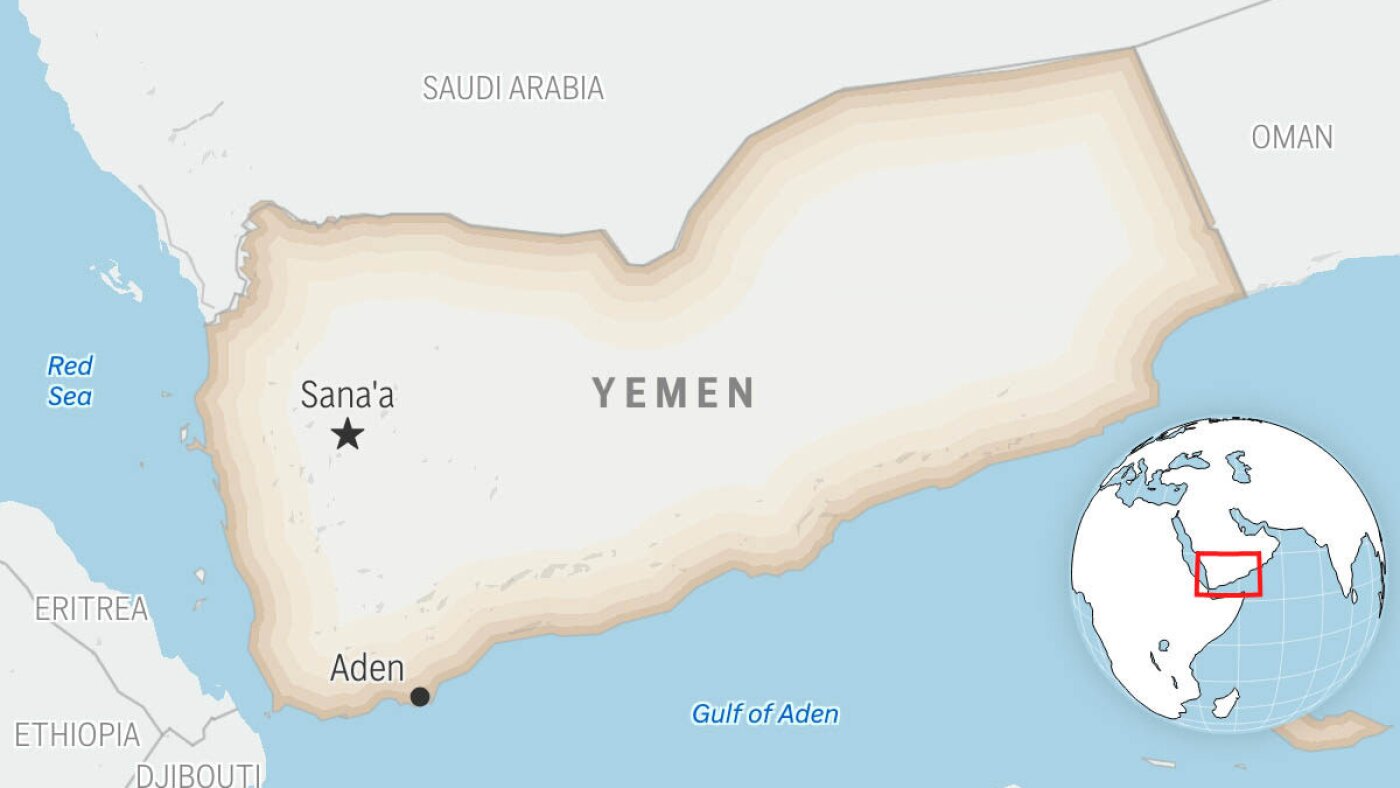
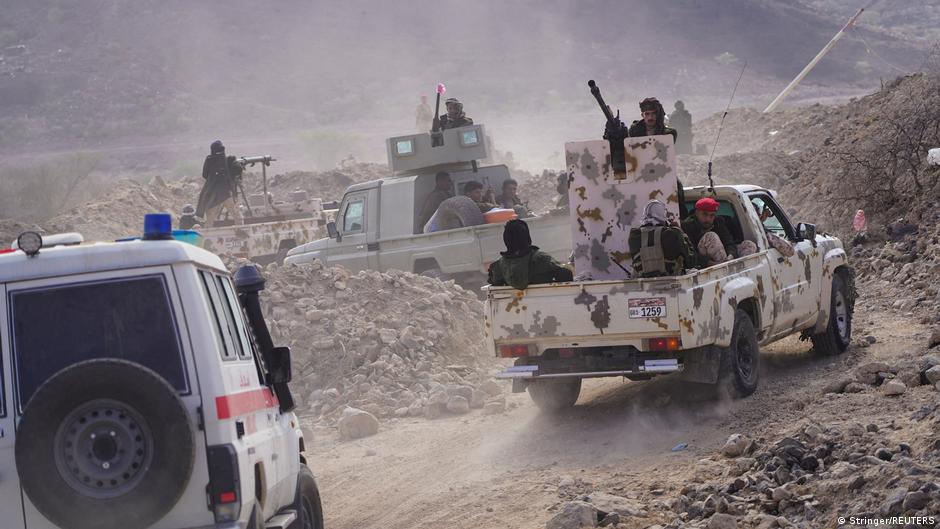
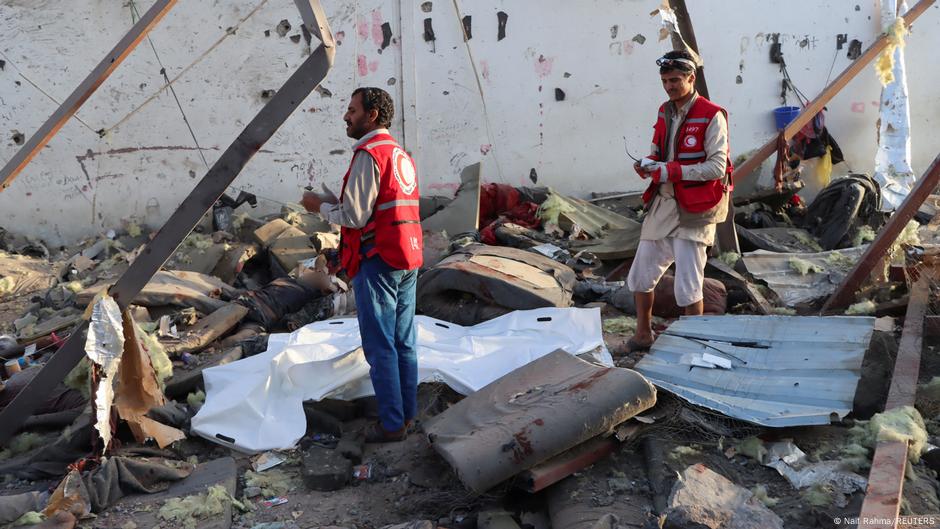
Humanitarian crisis worsens in Yemen as power struggles intensify and aid gaps grow. Yemen's conflict is entering yet another volatile chapter, not towards peace, but into a sharper power struggle. Former partners Saudi Arabia and the UAE are drifting apart, local factions are recalculating, and control of the south and east hangs in the balance, while the Houthis hold firm in the north.
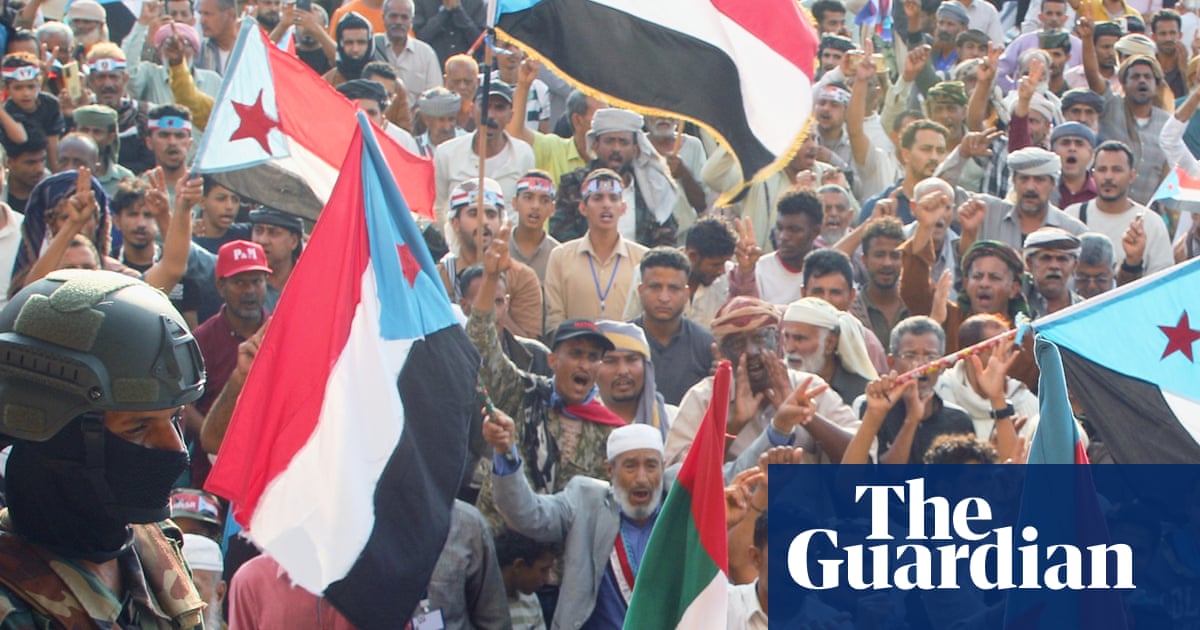
Naef was clear as to the reason for the government's failure a lack of unity and clear command structure. For years, government soldiers and other anti-Houthi fighters have adhered to conflicting agendas across the country, with many of the fighters in the south supporting the separatist Southern Transitional Council (STC). A solution to that division, Naef thought, was far-fetched. However, more recently, things have changed.
Saudi Arabia has accused the United Arab Emirates of smuggling a UAE-backed separatist Yemeni leader out of the country after he failed to turn up for crisis talks in Riyadh on Wednesday. The Saudi-led coalition in Yemen said Aidarous al-Zubaidi had fled the port city of Aden for Abu Dhabi under Emirati supervision, deepening a diplomatic row between Saudi Arabia and the UAE.
In a statement on Tuesday, the UN envoy on Yemen Hans Grundberg said the prisoner swap deal came after nearly two weeks of talks in Muscat, the capital of Oman, a mediator in the conflict between the government and the Houthis that began in 2014. Calling it a positive and meaningful step, Grundberg said the agreement will help to ease the suffering of detainees and their families across Yemen.