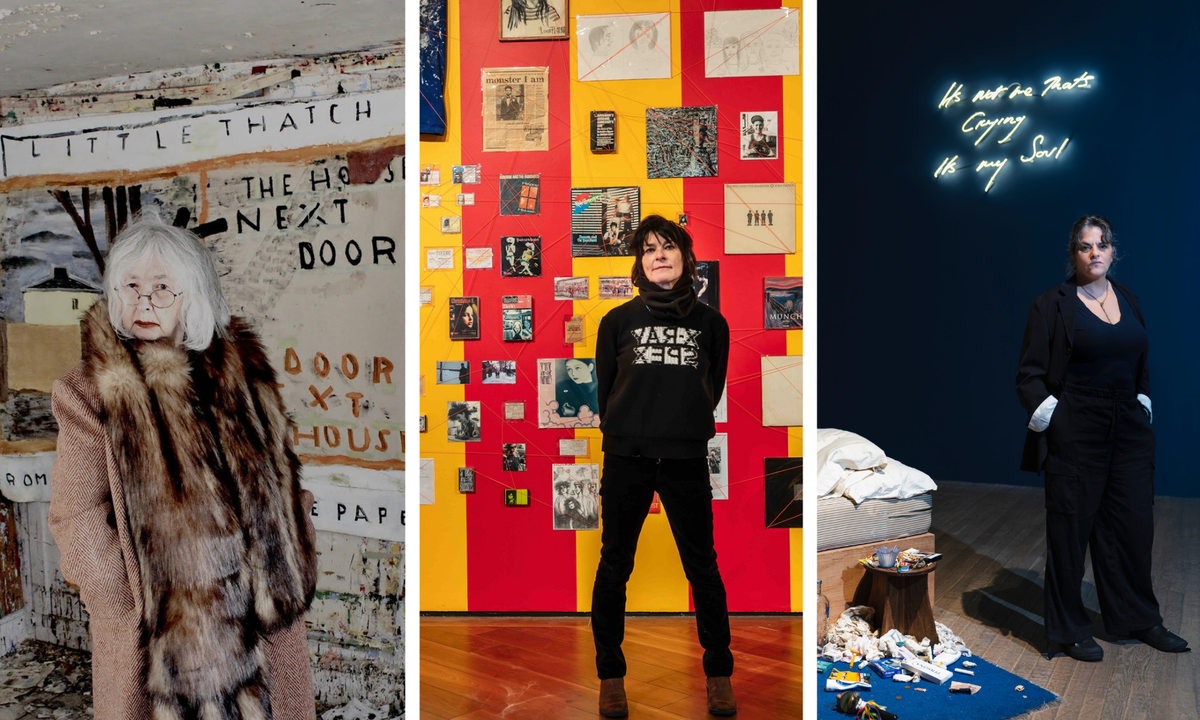
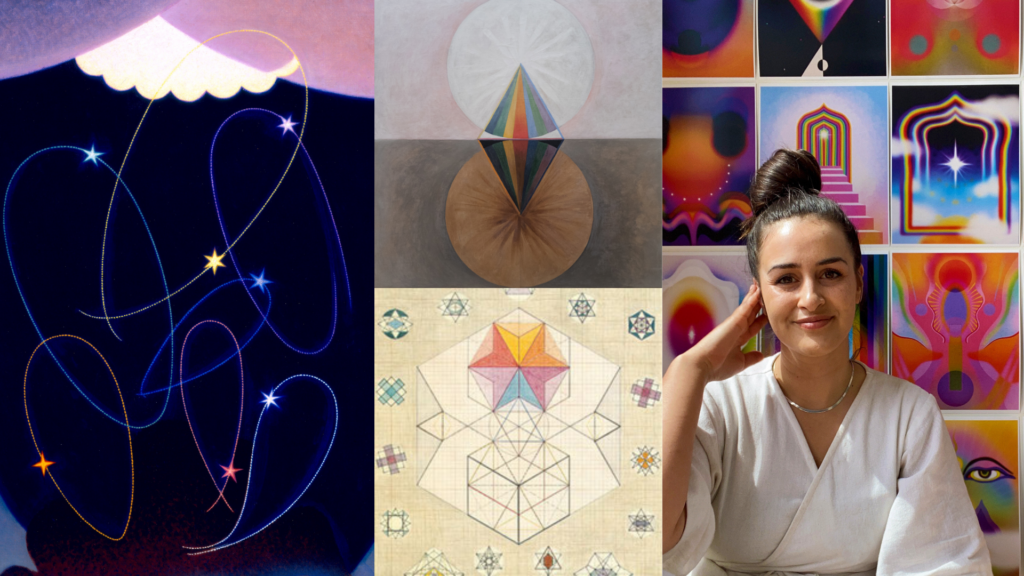
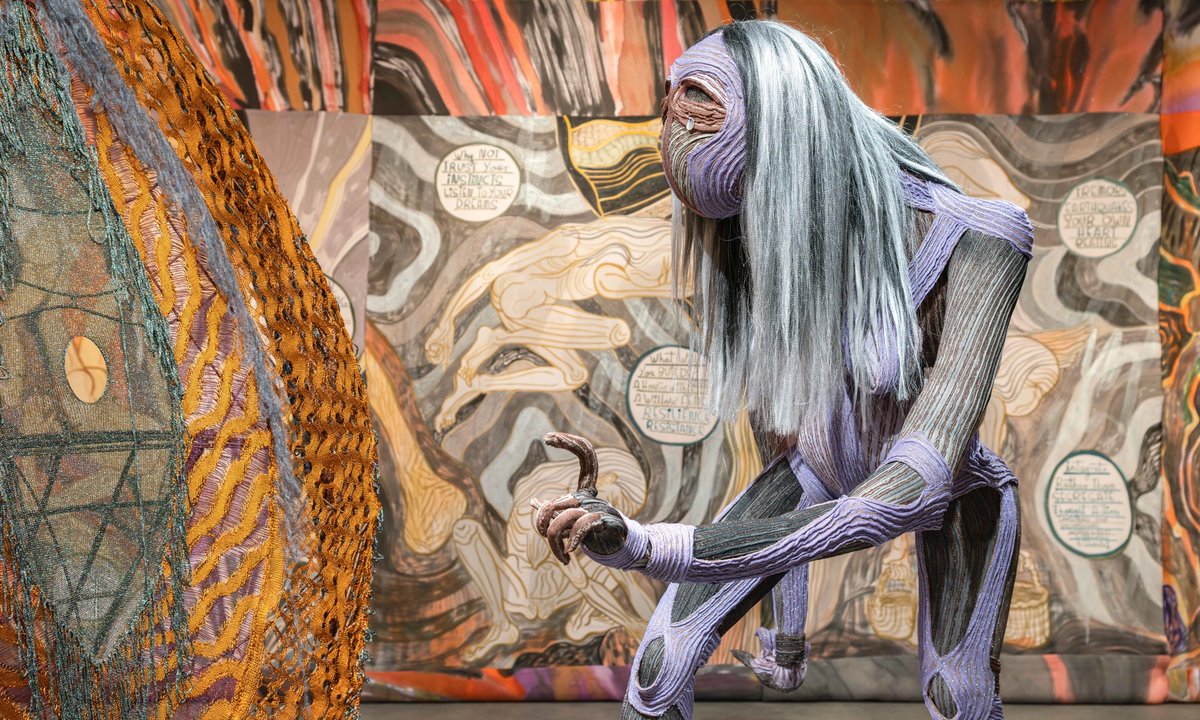
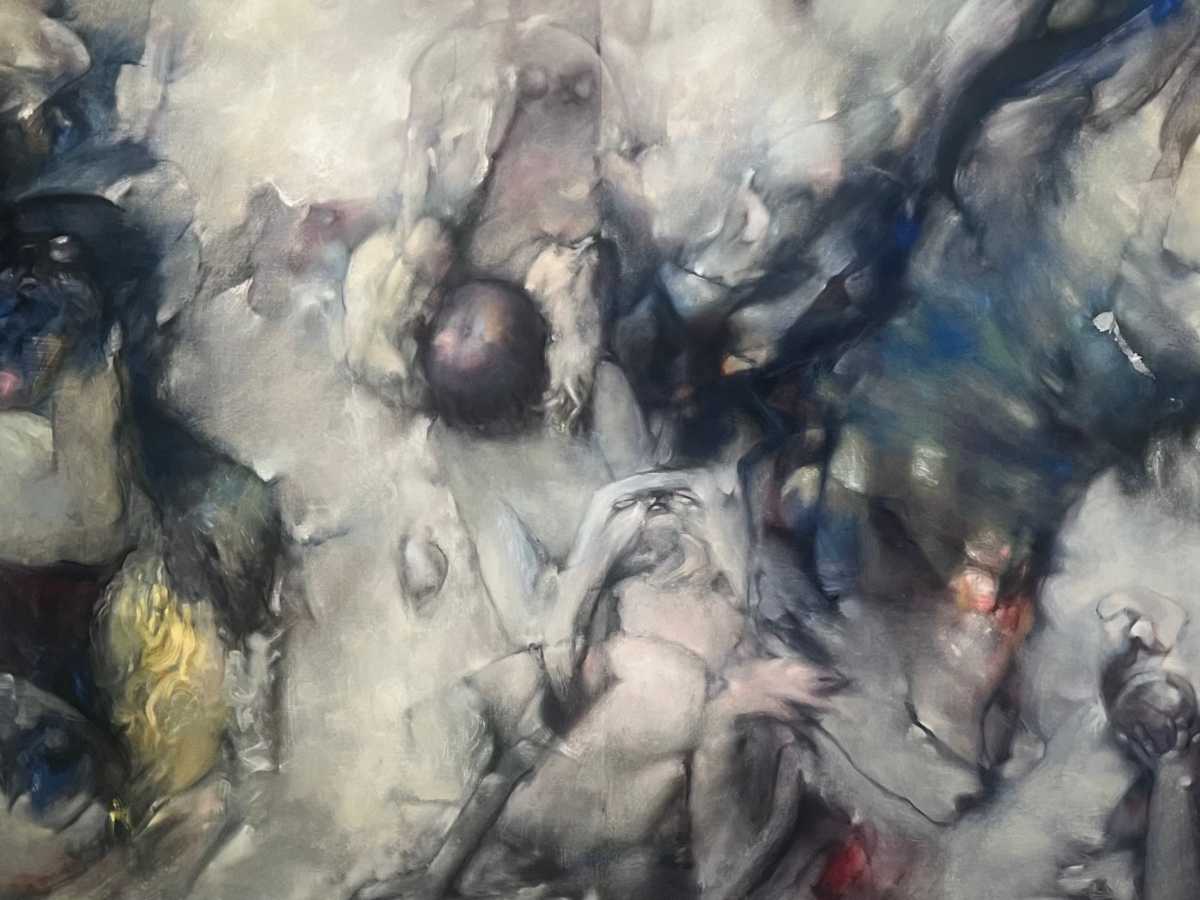
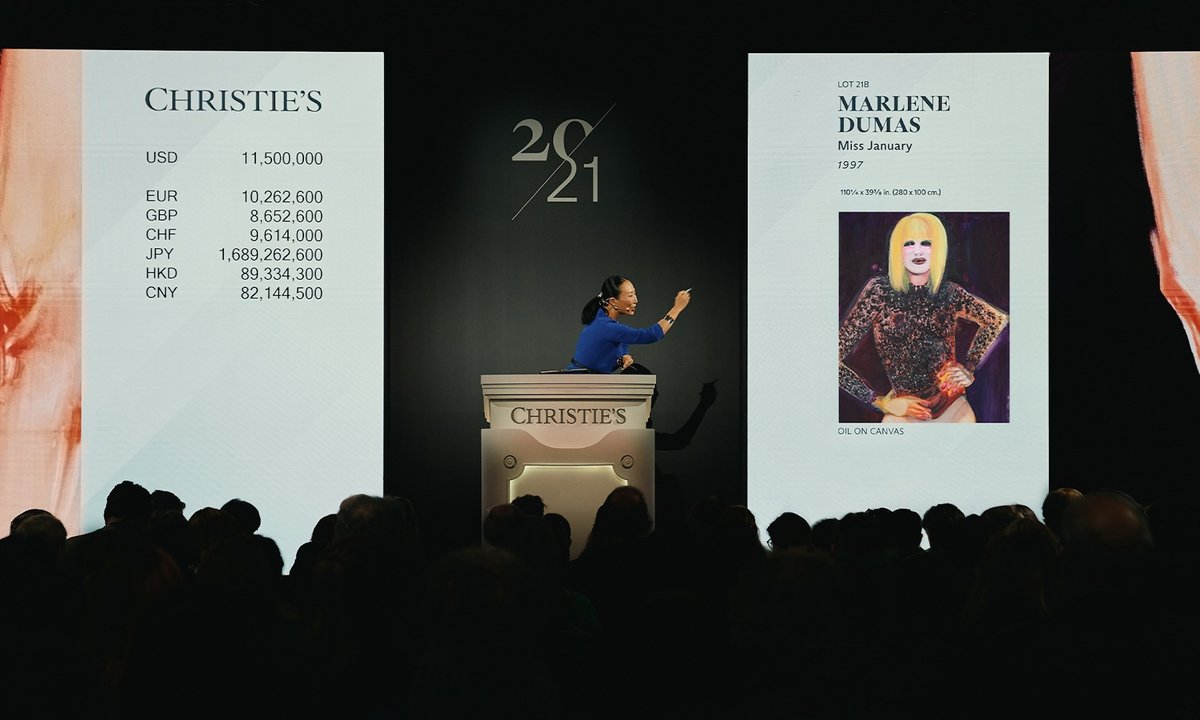
"If I connect to it, I know the viewer is also connecting to something as well. I haven't analysed it too deeply, but I think I'm connecting to everyone's inner self-to their childhood. I know I'm just having fun, but I'm dealing with the American icon. They have to be more than Mickey Mouse with a lobotomy."
What is the one thing that makes life possible in New York City? As mayor-elect Zohran Mamdani would say, it is affordable housing. This was also true in the 1950s, when three women-all newly single mothers-founded an artist haven in a rowhouse in the East Village, a raw neighbourhood at the time better known for shelters like the Bowery Mission.
Marking the centenary of the 1925 Paris exhibition, where Art Deco originated, the exhibition is both a look at the poster designs and a celebration of the many women artists who created them. Over one hundred posters and artworks by design greats Edward McKnight Kauffer, Dora Batty, and Jean Dupas have been pulled from the archives for display, many not seen in exhibitions for many years.
In 1959, about 1% of American women were divorced; about 9% of children were raised by single mothers. Imagine how daring it was for three divorced single moms to move into a three-story house and raise their kids together. Now imagine that these women are also accomplished, ambitious artists who convert each floor into its own separate studio. Finally, consider that the house is in New York's (then) gritty Bowery district.
For her debut book, The Story of Art Without Men, Hessel drew on decades of feminist literature, as well as her own insights from posting daily tributes to women artists on her popular Instagram account, The Great Women Artists, and from interviewing artists on The Great Women Artists Podcast, to reimagine the art historical canon entirely around women. An instant Sunday Times and New York Times bestseller, the book earned her numerous awards,
This year's Performa, New York's performance art biennial, is taking over spaces across the city for projects that, in many cases, will be the artists' first forays into live performance. The biennial's main slate of eight commissions includes projects by seven women-Aria Dean, Sylvie Fleury, Camille Henrot, Ayoung Kim, Lina Lapelytė, Tau Lewis and Diane Severin Nguyen-and a male-female duo, Pakui Hardware.
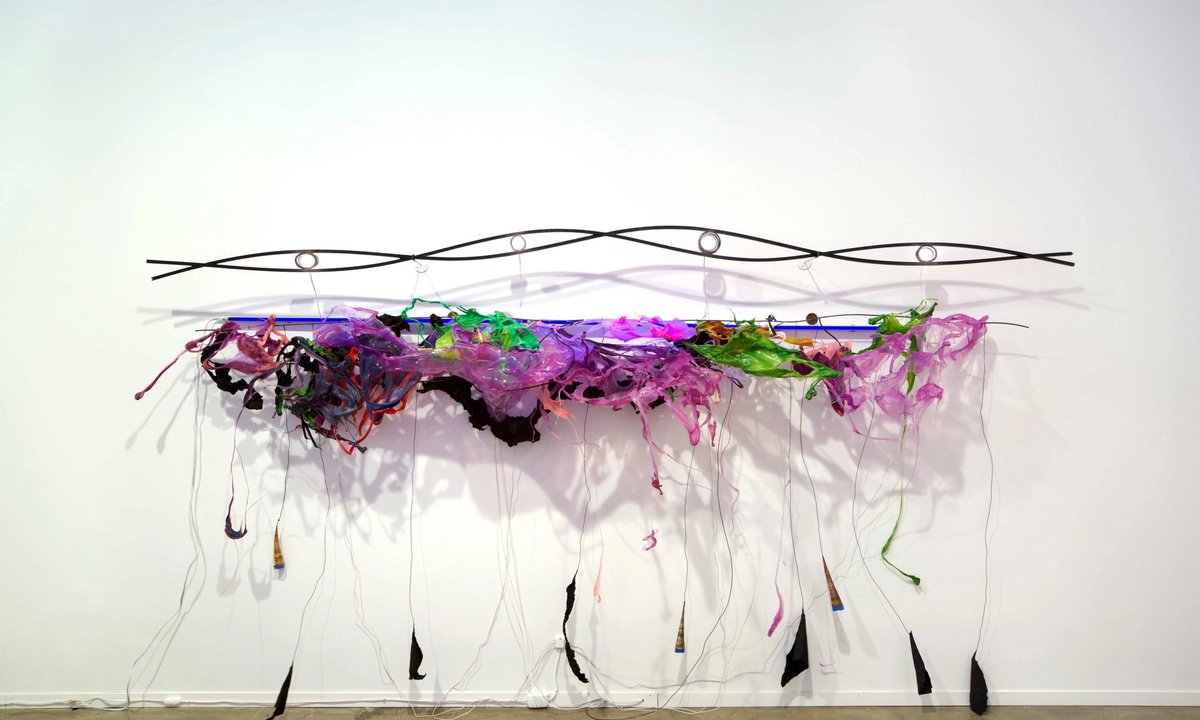
With its roots in the conceptual and immersive experiments of the Dadaists and Surrealists in the early 20th century, installation art emerged as its own genre in the late 1950s. The approach gained momentum during the next couple of decades, usually revolving around site-specific responses to interior spaces. Taking many forms, installations sometimes incorporate light, sound, projections, performances, and participatory or immersive elements.
There is an inherent tension present from the opening pages of Wendy Hitchmough's new biography, Vanessa Bell: The Life and Art of a Bloomsbury Radical. As Hitchmough explains, Bell (1879-1961) was doing dynamic work as both an artist and a designer in the first half of the 20th century, an era when women making inroads into either world was rare.
Celia Paul, known for her haunting portraits and landscapes, trained at the Slade and had a ten-year relationship with Lucian Freud, resulting in their son Frank.