Bats carry a lot of very deadly pathogens like Ebola virus, Nipah, Hendra, coronavirus, and also rabies virus. People are finding more and more bat-borne viruses. When such viruses are transmitted to humans, the results are often fatal so there's a lot of interest in trying to prevent spillover in the first place.
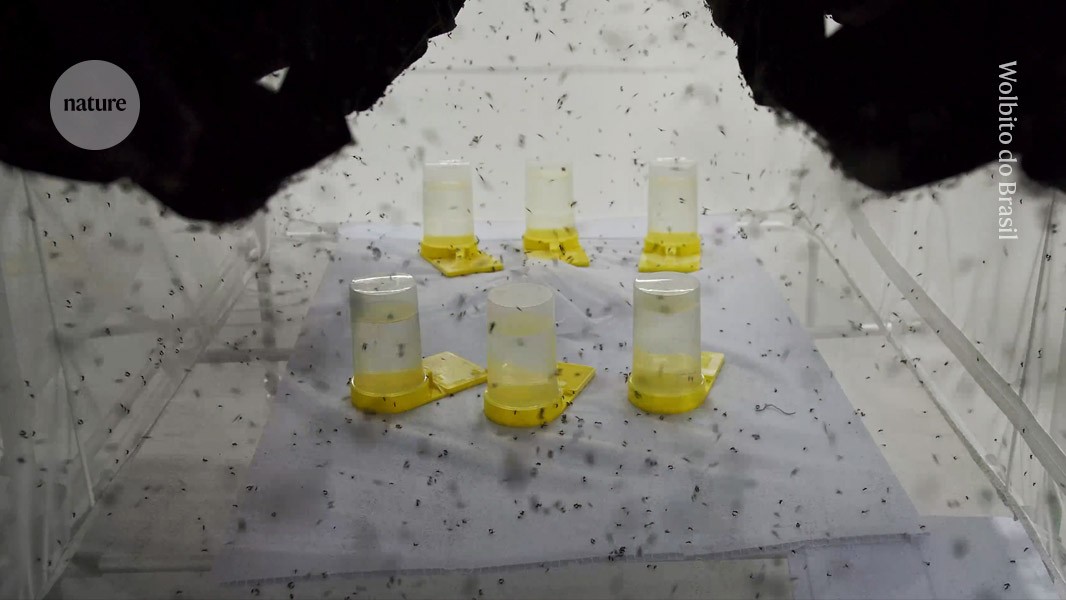
In a study published in Science Advances, researchers in China fed Aedes aegypti mosquitoes blood that contained either a vaccine against Nipah virus or the rabies virus. The viruses, contained in the vaccines, replicated inside the insects and reached their salivary glands, allowing them to pass on the vaccine when feeding on bats or when the bats ate the insects.
For the first time, cameras in Africa captured a 'dynamic network' of wildlife interacting with thousands of infected bats believed to be carrying the Marburg virus, which is a rare but extremely dangerous disease that belongs to the same family as Ebola. The new videos revealed at least 14 different types of animals, including leopards, hyenas, monkeys, birds and rats, actively hunting herds of Egyptian fruit bats.
Temperature and rainfall influence where malaria-carrying mosquitoes such as Anopheles species can survive and how well malaria parasites, such as Plasmodium falciparum, develop in them. Past predictions have been inconsistent and have often focused on where malaria might spread, rather than on how severely it could intensify where it already exists.
In September, the USDA warned that an 8-month-old cow with an active NWS infection was found in a feedlot in the Mexican state of Nuevo León, just 70 miles from the border. The finding prompted Texas Agriculture Commissioner Sid Miller to step up warnings about the threat. " The screwworm is dangerously close," Miller said at the time. "It nearly wiped out our cattle industry before; we need to act forcefully now."