#uzbekistan
#uzbekistan
[ follow ]
#central-asia #football #world-cup #milan-design-week #contemporary-art #international-relations #investment


fromwww.bbc.com
2 months agoThe 'rabbit in headlights' now excelling for Man City
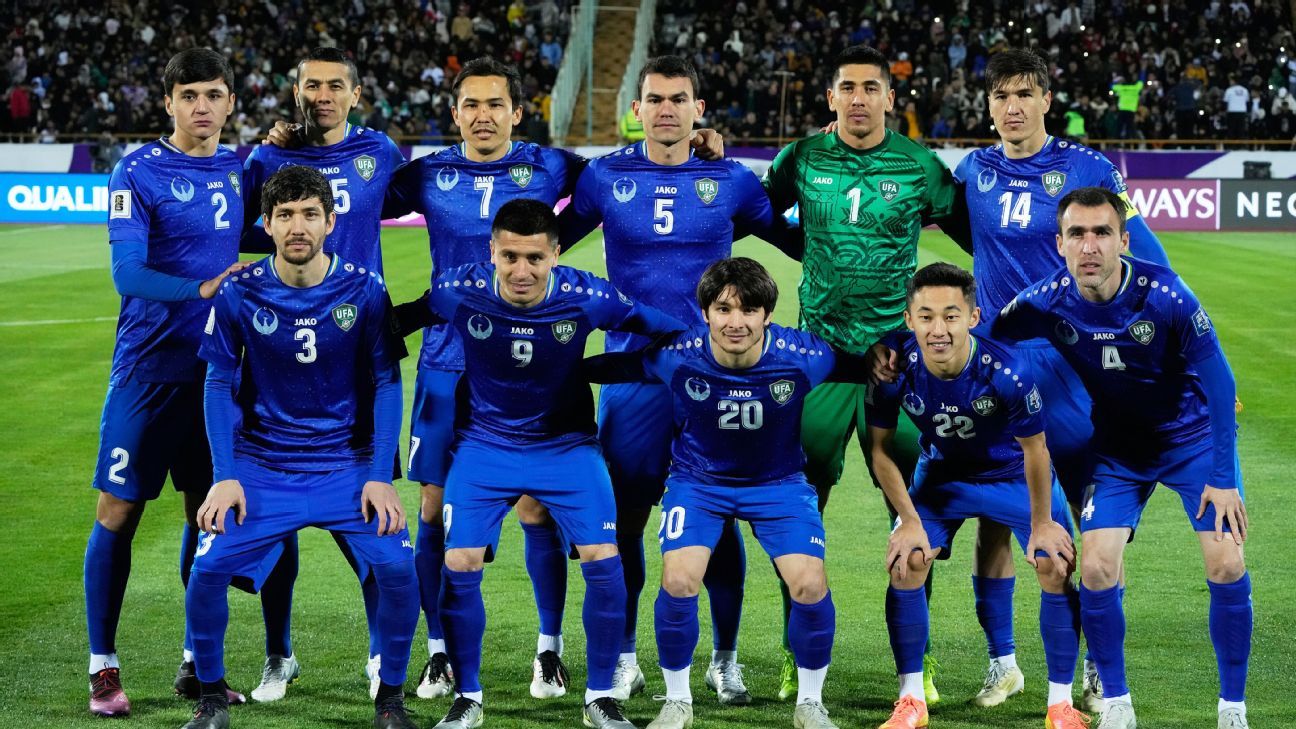
After an awful mistake from the 33m signing gifted Chelsea the opening goal in the game in January 2025, he was booked soon after and it was an uphill journey for him from that desperate start. Former Manchester United defender Gary Neville said he "felt like crying for the lad" after that game, and following City's Champions League defeat at Real Madrid the following month, ex-England goalkeeper Paul Robinson said, external Khusanov had been "like a rabbit in the headlights".
Manchester City
.jpg)
:max_bytes(150000):strip_icc()/TAL-old-town-bukhara-uzbekistan-UZBEKISTAN1225-704a71e55fb047b6be147dd807a5525a.jpg)
fromwww.amny.com
5 months agoOp-Ed | Why my visit to Uzbekistan matters to New York City's future | amNewYork
For many Americans, Uzbekistan has long been misunderstood. It was once a closed republic of the Soviet Union isolated, constrained, and overshadowed by the legacy of communism. But the country I visited is something vastly different. Uzbekistan today is charting a bold new path: expanding its economy, protecting workers, empowering women, and embracing modernization without sacrificing cultural or religious identity.
World news
fromThe New Yorker
5 months ago"Safety," by Joan Silber
Dictators like to move people around. Stalin, for instance. From the summer of 1941 through the fall of 1942, with the Russian front facing massive bombardment and Nazi troops on the ground, he decided to relocate civilians, and entire industries, to safer regions in the eastern Soviet Union. The Urals, Siberia, the middle Volga, Kazakhstan, Uzbekistan, and Tajikistan eventually received sixteen million evacuees, perhaps the most ever moved across land by a single directive.
Photography
Arts
fromThe Art Newspaper - International art news and events
7 months agoThe new chief curator of Uzbekistan's Centre for Contemporary Art is bringing insights from London to the youth of Tashkent
Sara Raza, an internationally experienced curator with Uzbek ancestry, leads CCA Tashkent while promoting artists' subtle social expression amid Uzbekistan's restrictive political context.
:max_bytes(150000):strip_icc()/TAL-nomin-zezegmaa-poi-kalon-mosque-UZBEKISTANART1025-25f67ec189894ffb9e66bed80fd2d350.jpg)

fromdesignboom | architecture & design magazine
11 months agointerview: GRACE studio on revitalizing uzbekistan's modernist legacy at venice architecture biennale
As Golovatyuk states, 'We decided to decline the conventional narrative of preservation and instead intersect it with one of sustainability. The Heliocomplex allowed us to speak about both.'
Renovation
[ Load more ]