#uk-biobank
#uk-biobank
[ follow ]
#data-breach

EU data protection
fromTNW | Data-Security
2 weeks agoUK Biobank data from 500,000 volunteers listed for sale on Alibaba after Chinese research institutions broke access agreements
Data from 500,000 UK Biobank volunteers was listed for sale on Alibaba due to a breach by three Chinese research institutions.
fromwww.theguardian.com
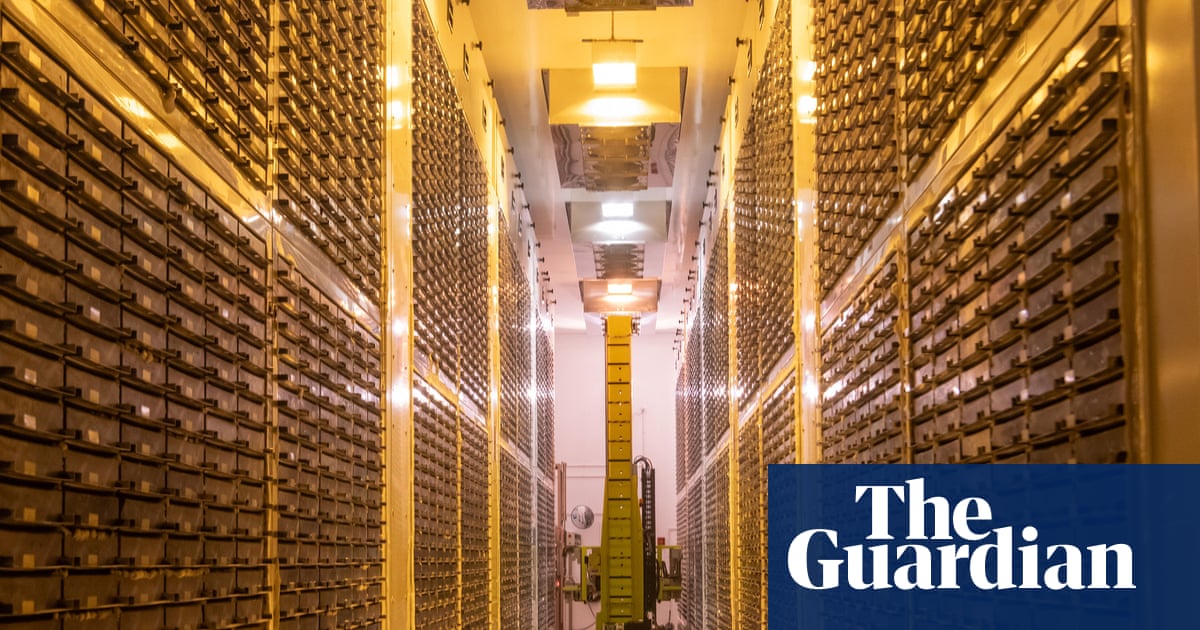
2 weeks agoWhat is the UK Biobank project and what are the privacy concerns around it?
The UK Biobank has become an important resource for researchers who, since 2012, have been able to request access to anonymised data in order to examine the causes, prevalence and treatment of myriad diseases.
Public health
fromwww.dw.com
2 weeks agoUK: Health data listed for sale on Alibaba in China
Ian Murray stated that UK Biobank informed the government of at least three listings that appeared to sell data from volunteers aimed at enhancing research capabilities. He reassured that the data did not contain personal identifiers such as names or contact details.
EU data protection
fromHarvard Gazette
5 months agoNighttime exposure to light may raise cardiovascular risk by up to 50% - Harvard Gazette
Angus Burns, a postdoctoral fellow at Harvard Medical School and Brigham and Women's Hospital, said the work highlights the potency of our circadian rhythm, which not only regulates sleep, but also independently affects nearly every organ in the body, changing how they function when we nod off. For those experiencing the brightest nights, the research showed increased risk of between 30 percent and 50 percent for heart attack, stroke, heart failure, atrial fibrillation, and coronary artery disease.
Health
Public health
fromwww.theguardian.com
5 months agoPinprick blood test could detect disease 10 years before symptoms appear, study finds
Pinprick blood tests measuring hundreds of metabolites can predict disease risk more than a decade before symptoms, enabling preventive, prevention-focused healthcare.
fromDaily Coffee News by Roast Magazine
6 months agoUK Study Associates 'Very Hot' Coffee and Tea with Cancer Risk
A recent study tracking nearly half a million people has delivered sobering news for people who prefer their morning brew piping hot: drinking very hot beverages may significantly increase the risk of a form of throat cancer called esophageal squamous cell carcinoma (ESCC). The research, published in the British Journal of Cancer, followed 454,796 adults through the UK Biobank for over a decade, finding that "very hot" beverages were a clear risk factor for the disease.
Health
Artificial intelligence
fromNature
7 months agoThis AI tool predicts your risk of 1,000 diseases - by looking at your medical records
Delphi-2M predicts risks for over 1,000 diseases from 400,000 UK Biobank records, enabling individual and population-level disease-risk estimation and potential clinical time savings.
fromNature
8 months agoUsing biobanks to boost research: a how-to guide
Rafaella Rogatto De Faria was nearing the end of her PhD when her adviser proposed a fresh project. The idea was to analyse genetic, imaging and surgical-outcome data, to find biomarkers that could help to identify which people with osteoarthritis would respond best to knee-replacement surgery. De Faria, an athlete and a biomedical engineer at the University of São Paulo, Brazil, knew the profound impact of cartilage and joint injuries on people's lives,
Science
[ Load more ]