#travel restrictions
#travel restrictions
[ follow ]
#travel-restrictions #cuba #dual-nationality #immigration-policy #uk-border-rules #us-immigration-policy #fifa
fromwww.cbc.ca
3 days agoOntario monitoring 7 additional people considered 'low risk' hantavirus contacts | CBC News
Ontario’s ministry of health is asking seven more people to isolate in relation to a global hantavirus outbreak, though it says those individuals are considered “low-risk” contacts. Jackson Jacobs, a spokesperson for the province’s health minister, said they are in addition to the three people who were asked to isolate after being exposed to the virus while travelling, and are considered “high-risk.” They’re all directed to isolate for 45 days “out of an abundance of caution.”
Canada news
fromThe Local France
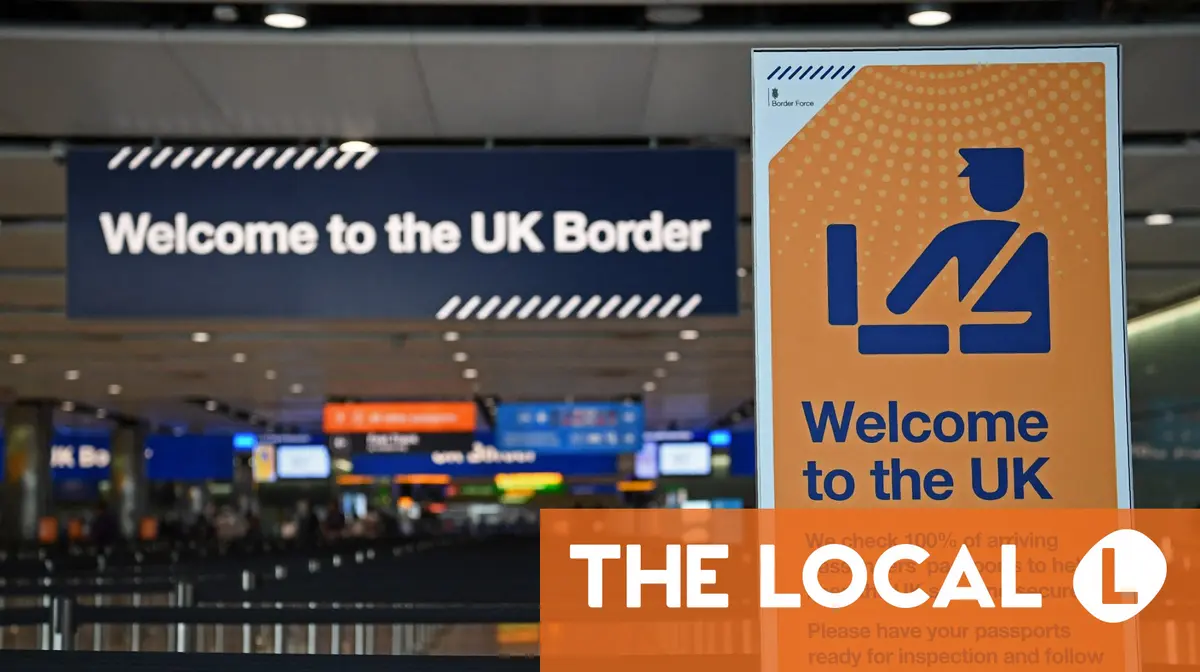
1 month ago'500 down the drain': Brit in France has to cancel trip over UK dual national rules
Darren Hayes, who has lived in France for 15 years, expressed frustration over the new UK passport rules, stating, 'I first saw this requirement a few weeks ago on the BBC, I know the UK government says that it has been well publicised but I didn't see it anywhere.'
UK news






fromTravel + Leisure
2 months agoIs It Safe to Travel to Jamaica Right Now? Here's What Travelers Should Know
Violent crime is a risk throughout Jamaica. The homicide rate reported by the Government of Jamaica is among the highest in the Western Hemisphere. The State Department has placed a travel restriction for U.S. government employees working in the region, prohibiting them from using public transit or driving overnight, and encourages American citizens who are visiting to follow the same guidance.
Travel
Washington DC
fromLos Angeles Times
2 months agoGalaxy Concacaf opponent Mount Pleasant may be short 10 players because of visa woes
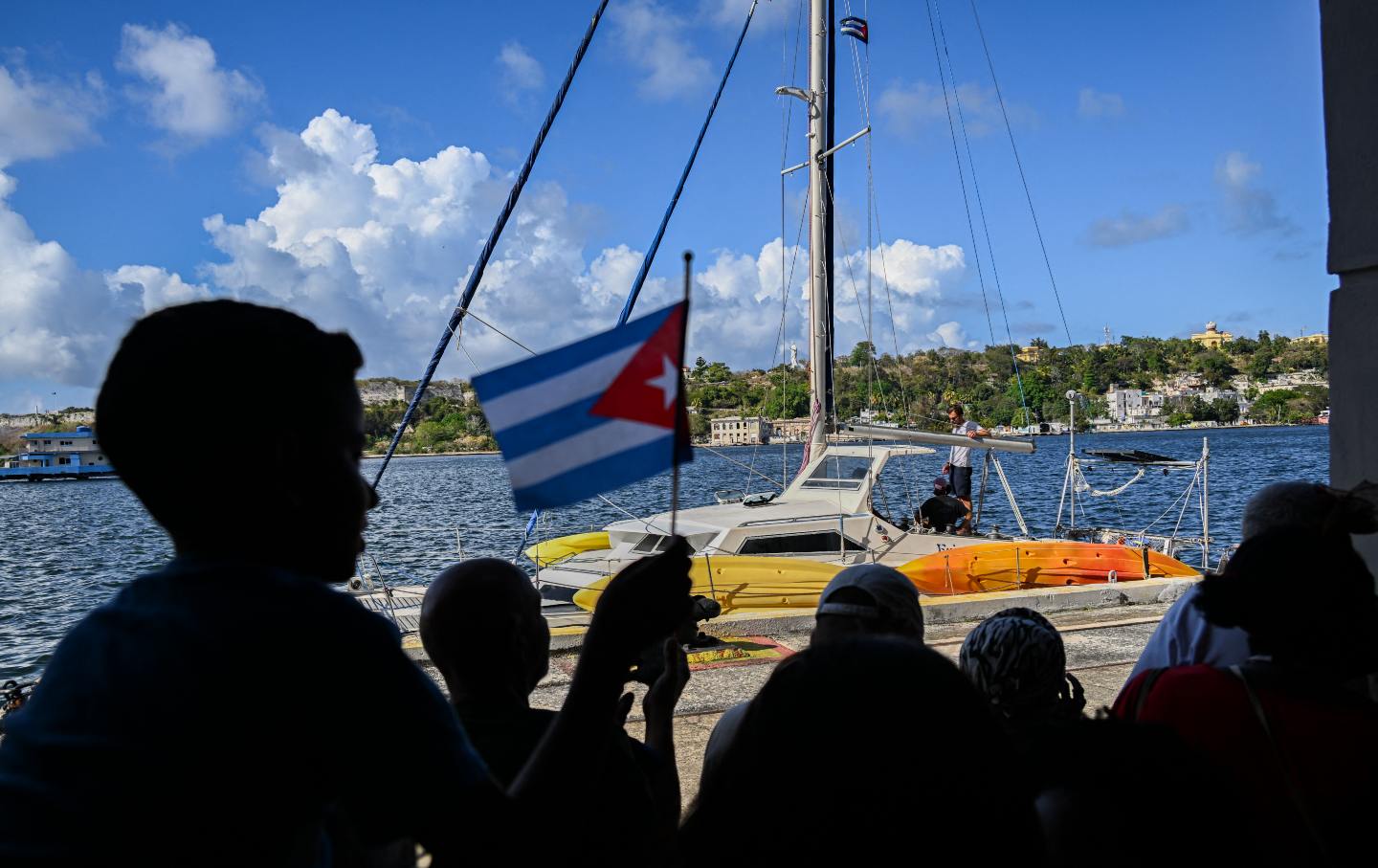
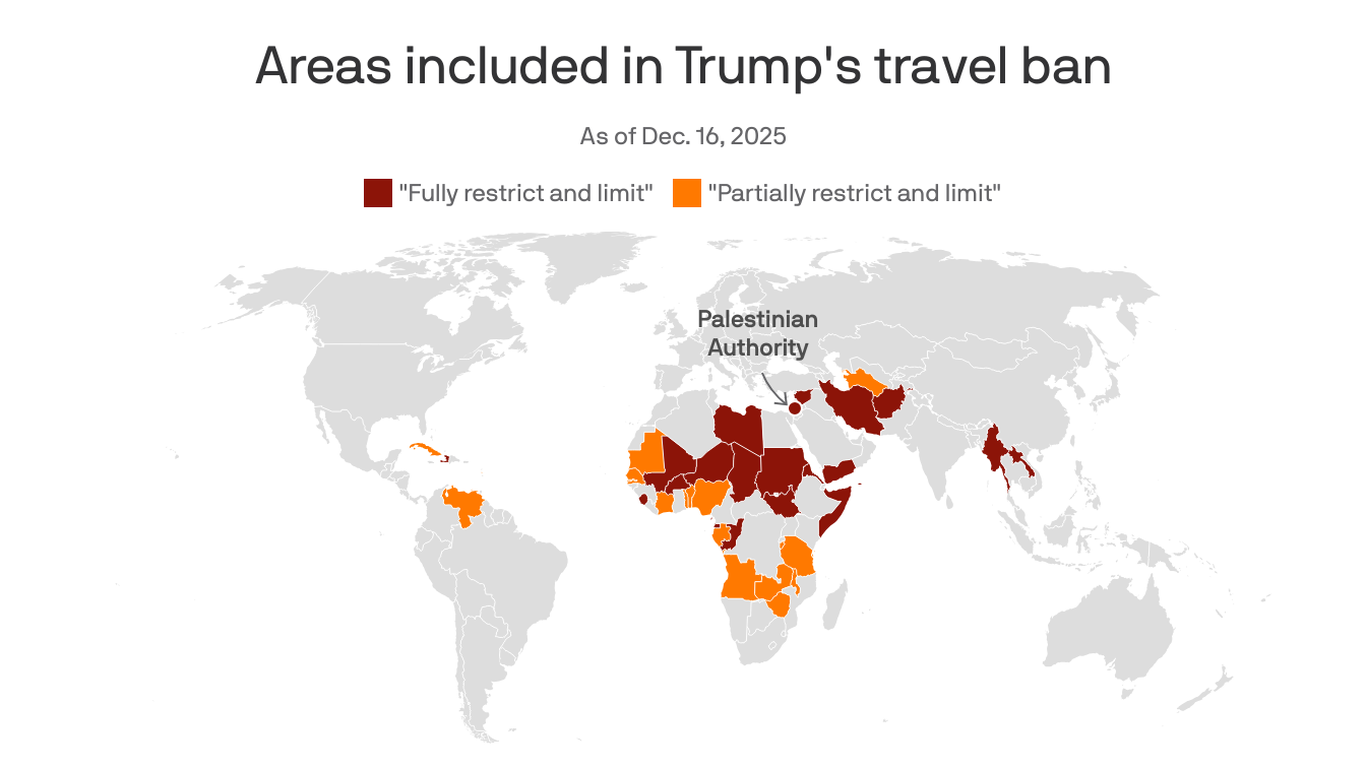
The State Department denied visas to Jamaican soccer team members for a CONCACAF Champions Cup match, raising concerns about potential World Cup travel restrictions for players from banned countries.
Brooklyn
fromCaribbean Life
2 months agoAntigua PM raises alarm over U.S. visits - Caribbean Life
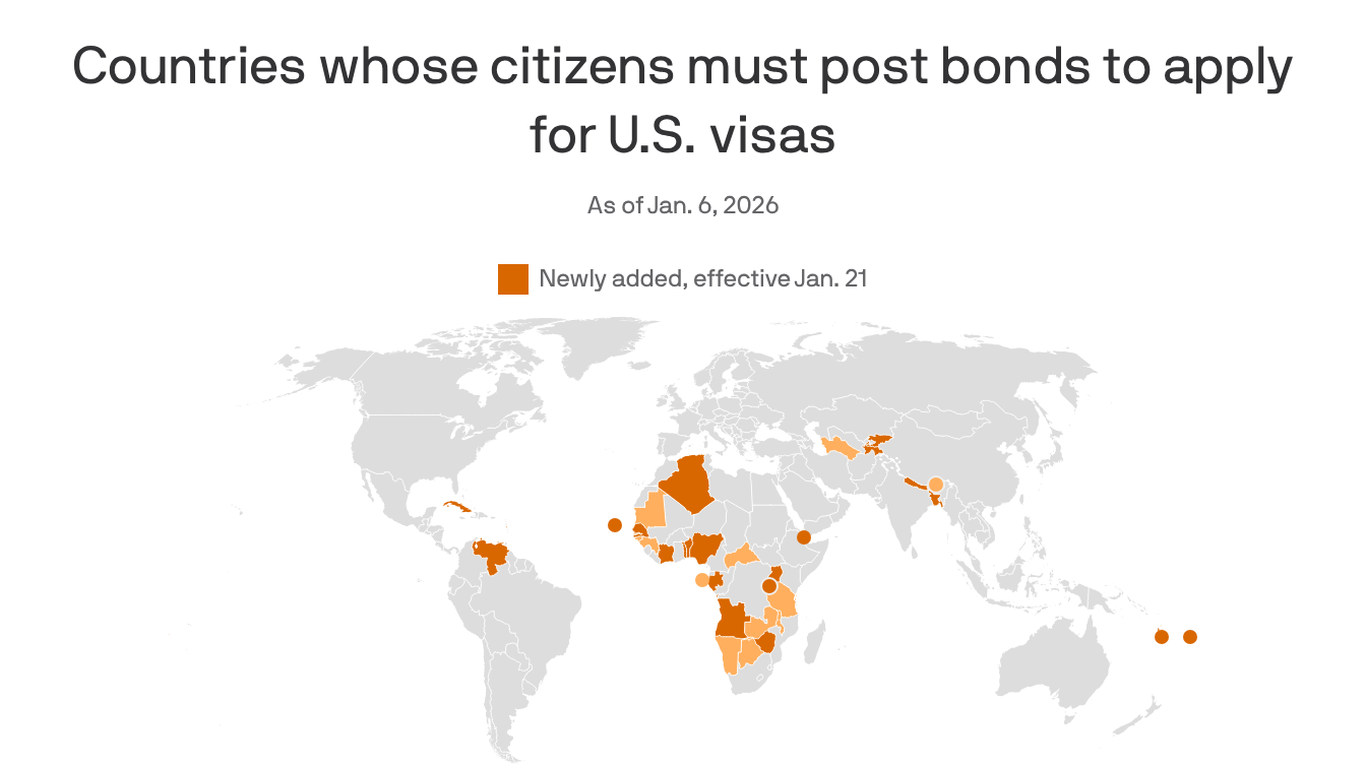
Antigua and Barbuda's Prime Minister warns citizens against traveling to the U.S. due to aggressive federal enforcement and announces upcoming visa policy changes that may reduce visa validity from ten years to three months with single entry.
fromwww.theguardian.com
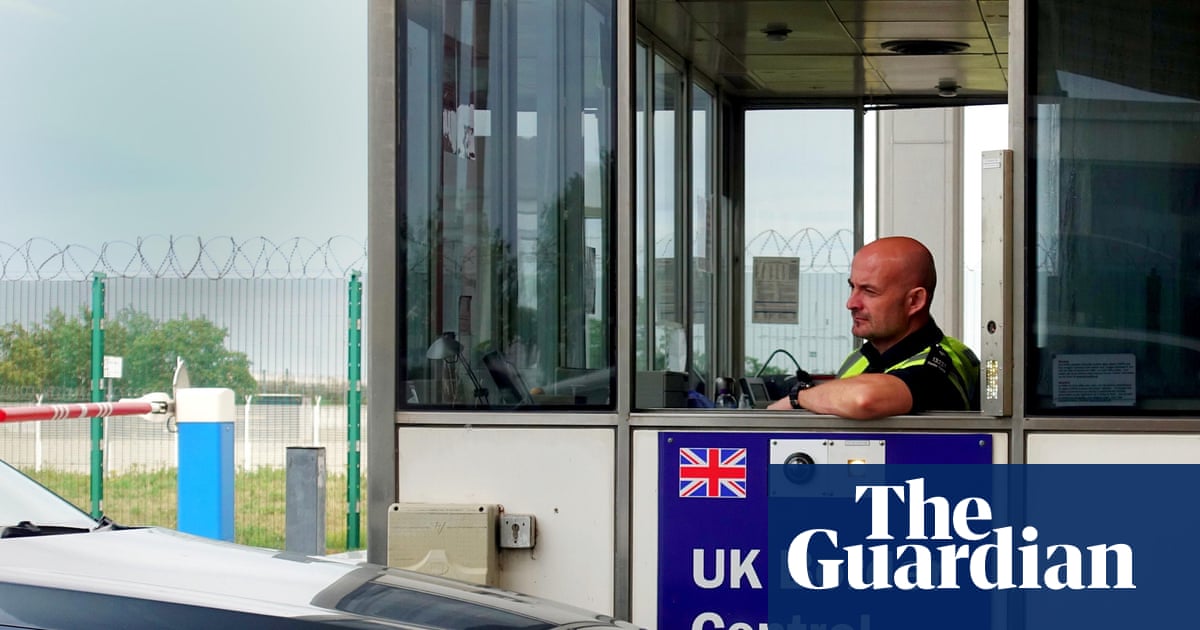
2 months agoBritish-Danish couple say new UK passport rules may separate them from children
Under the rules, dual nationals risk being denied boarding if they do not present a British passport, current or expired, or a certificate of entitlement, costing 589, attached to the passport of their second nationality, to prove their right to enter the UK.
UK news
fromTheregister
2 months agoBrit dual nationals grounded by border digitization drive
However, the government bans British citizens, including those with another nationality, from ETAs, meaning they either need to apply for a British passport if they don't have one or spend £589 on a certificate of entitlement. Both options take several weeks.
UK news


fromwww.dw.com
6 months agoEU to stop issuing multiple-entry visas for Russians DW 11/07/2025
"The European Union is tightening its visa rules for Russian nationals amid concern over what the bloc considers "sabotage and potential misuse of visas." Multiple-entry visas will no longer be issued, with applicants being required to apply for a new visa each time they sought to travel to the EU. In a statement released by the European Commission, they expressed the aim of the new rules were to protect public policy as well as security."
Miscellaneous
fromBusiness Insider
11 months agoTelegram CEO Pavel Durov says he still can't travel freely almost a year after being arrested
Durov stated he was detained for four days in solitary confinement without access to a lawyer or phone calls, facing serious charges he claims he’s not involved in.
France news
US news
fromMiami Herald
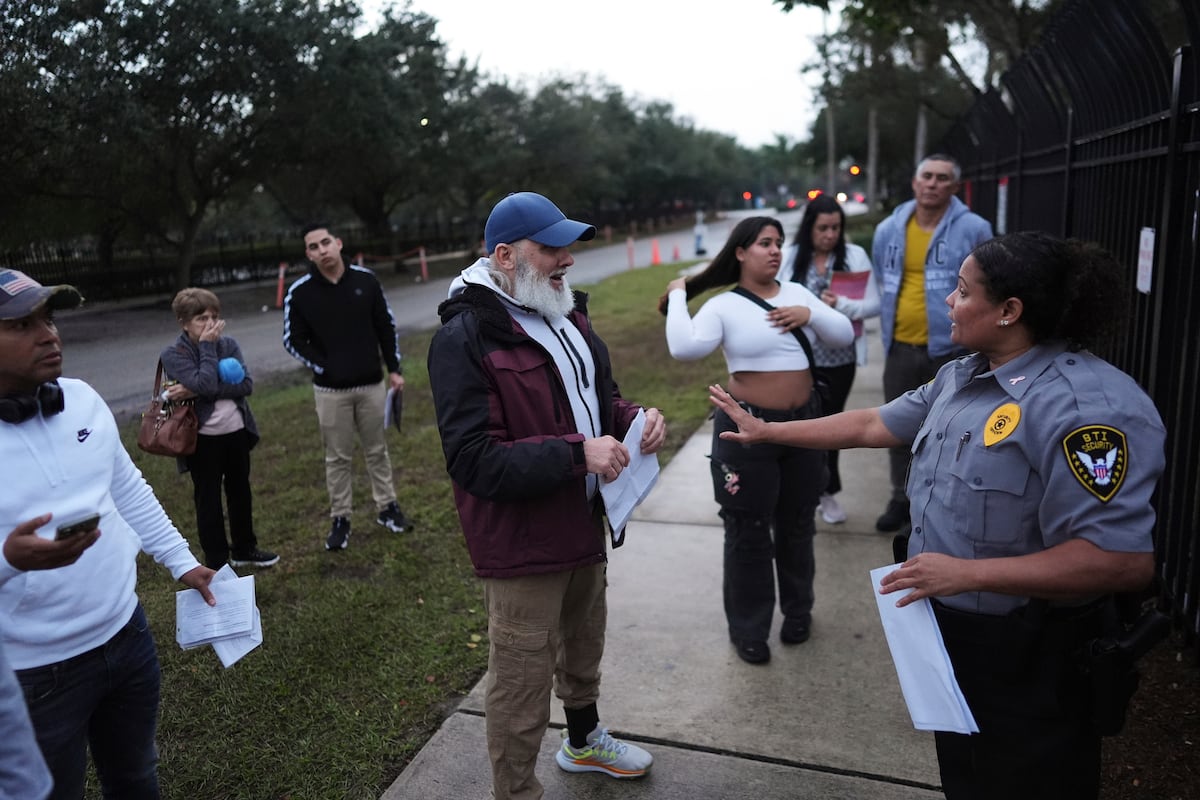
11 months agoVenezuelans in U.S. face heartbreak after travel ban shuts door on family reunification
Venezuelans in the U.S. face despair as new travel restrictions complicate efforts to reunite with family members left behind.
The recent travel restrictions have deepened the already difficult experiences of Venezuelan exiles.
[ Load more ]