Gadgets
fromGSMArena.com
1 week agoInsta360 Snap adds a magnetic touchscreen viewfinder to your phone
Insta360's Snap accessory features a touchscreen viewfinder and phone mirroring, minimizing lag and enhancing compatibility with modern devices.
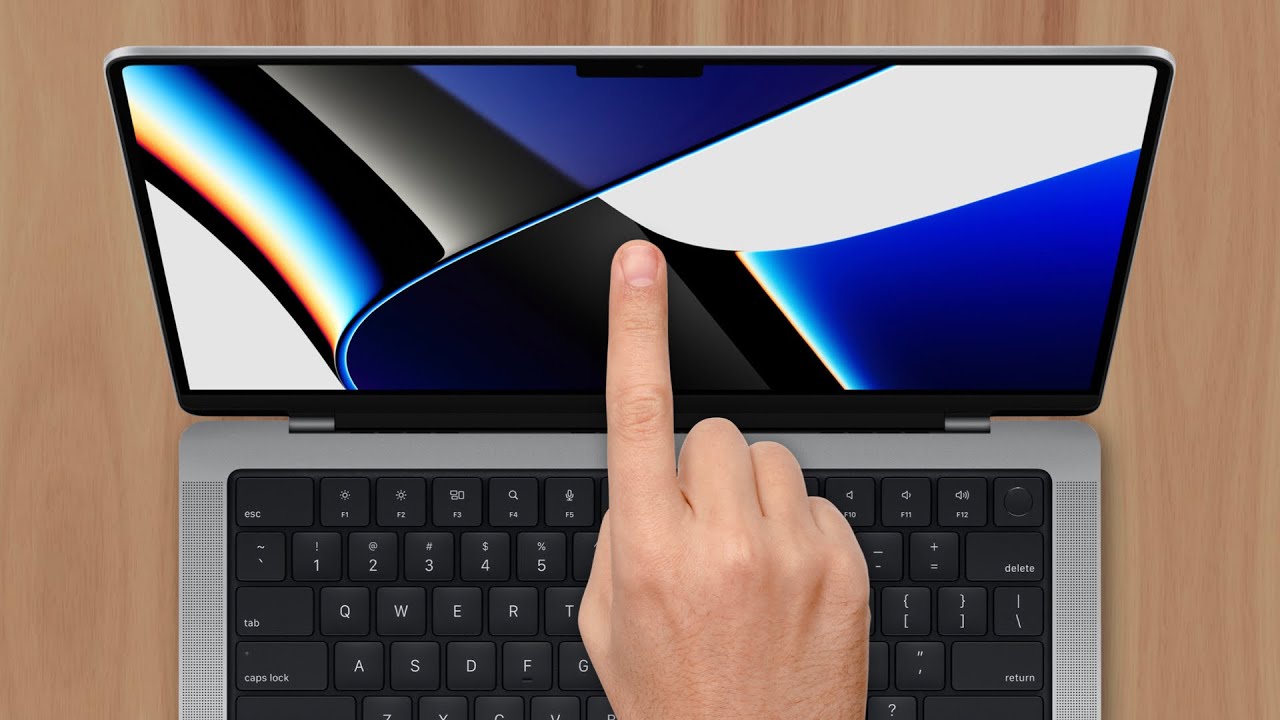
It has a responsive touchscreen allows for seamless navigation through mobile apps and web pages and it performs well enough to allow you to complete your daily activities such as work, school and streaming without experiencing slow-downs. Of course, that's dependent on your connection, but your computer won't be the one slowing you down. You've got plenty of screen real estate, so that means ample space to view documents, stream movies and open multiple windows and tabs wat the same itme.
We just spotted the 17-inch HP touchscreen laptop going for just $1,000 at Amazon, after the retailer generously took a whopping 67% off its usual $3,000 tag. Orders placed within a couple of days arrive before Christmas, so you can also consider it as a gift for a loved one. Best of all, the retailer throws in a bunch of useful computer accessories worth almost $200 with your purchase - for absolutely nothing.
For under $800, you're getting a 15.6-inch Full HD IPS touchscreen that delivers vibrant, immersive, true-to-life visuals consistently, whether you're catching up on the latest episode of your favorite show or creating a work presentation. The anti-glare panel helps you fight reflections in brighter settings, while the Dell ComfortView software actively reduces harmful blue light to minimize eye strain during those all-nighters. Touch support makes navigation a breeze by letting you use just your fingers to pinch, scroll, swipe, zoom,
Most desks accumulate a scattered collection of control devices over time. There's the keyboard and mouse, maybe a Stream Deck for shortcuts, a volume knob for your speakers, a phone running smart home apps, and a separate remote for the desk lamp. Each solves a specific problem, but together they create a landscape of disconnected gadgets competing for space and attention. The monitor sits above it all, while everything underneath becomes a tangled mess of cables and redundant functions.
TVs stay bolted to walls where they were installed years ago. Monitors sit on desks connected to power outlets and computers through cables that limit how far they can go. Tablets work anywhere, but shrink everything down to sizes that feel cramped during longer sessions. Most screens plant themselves in one spot and expect you to come to them instead of moving to where you actually need them.