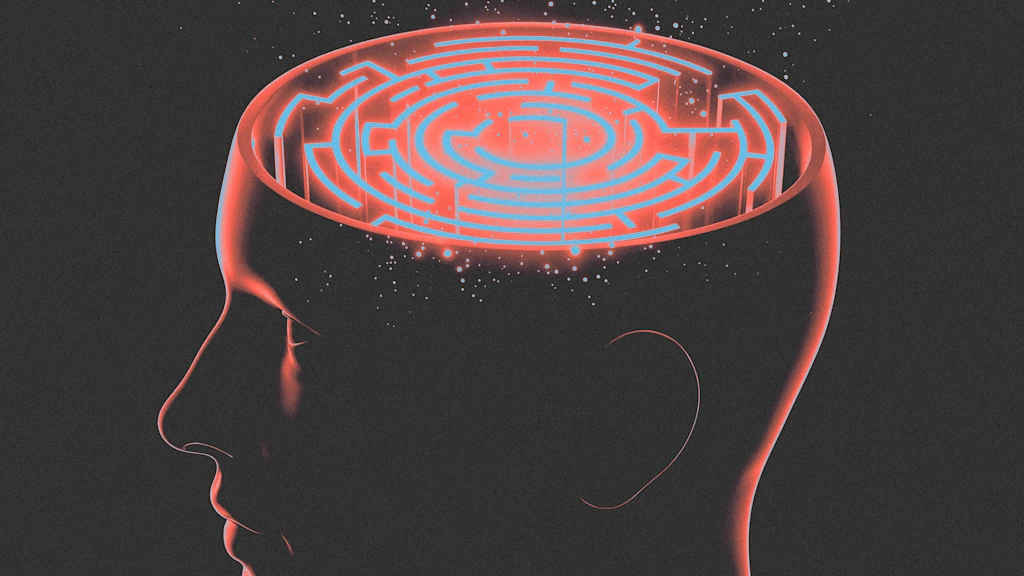
I was born an only child, but now I have a twin. He's an exact duplicate of me -down to my clothing, my home, my facial expressions, and even my voice. I built him with AI, and I can make him say whatever I want. He's so convincing that he could fool my own mother. Here's how I built him-and what AI digital twins mean for the future of people.
Just when you think you've wrapped your mind around computers that can put your dog in front of the Eiffel Tower or chatbots that act like your best friend (or lover), the AI behemoths surprise you with a fully AI-powered TikTok or the ability to virtually bring back your dead relatives. I've worked in the AI space for 15 years. I served as an early beta tester for OpenAI in 2020, when I predicted that a little model called GPT-3 had world-changing potential.
For seven weeks, we hardly slept, with up to 10 of our in-house AI and post specialists at The Gardening Club working in lockstep with the directors. Every shot travelled through a rigorously engineered toolchain: real Google Earth plates, advanced style-transfer, pixel-level photo repair, custom LoRAs, control nets, bespoke ComfyUI graphs, and thousands upon thousands of tightly steered iterations. Then came compositing, lighting balance, physics corrections, artefact removal, and final finishing in Flame.
You're at home, coffee in hand, scrolling through your personalized news brief. "SophAI," you say casually, "check the fridge and order what's missing." Your AI assistant responds instantly - warm, efficient, endlessly patient. It praises your choices, anticipates your needs, and never judges. SophAI is always there, always helpful, always agreeable. It feels good. Maybe too good. This is happening now.
Since Google launched Audio Overview, the first mass-market podcast generator that creates shows from documents and other inputs, just over a year ago, a wave of startups has rushed in, from ElevenLabs to Wondercraft. No studio, no humans at the microphone, not even a recording -- yet out comes a lively podcast, banter and all. Whether based on a legal document or a school handout, AI tools can deliver a state-of-the-art podcast at the click of a mouse.
Brands are integrating AI-generated personas into their marketing strategies, using digital tools to enhance customer engagement through virtual assistants and hyper-realistic avatars.