#space-launch
#space-launch
[ follow ]
#blue-origin #new-glenn #ast-spacemobile #national-security #rocket-testing #market-impact #faa-clearance

fromTechCrunch
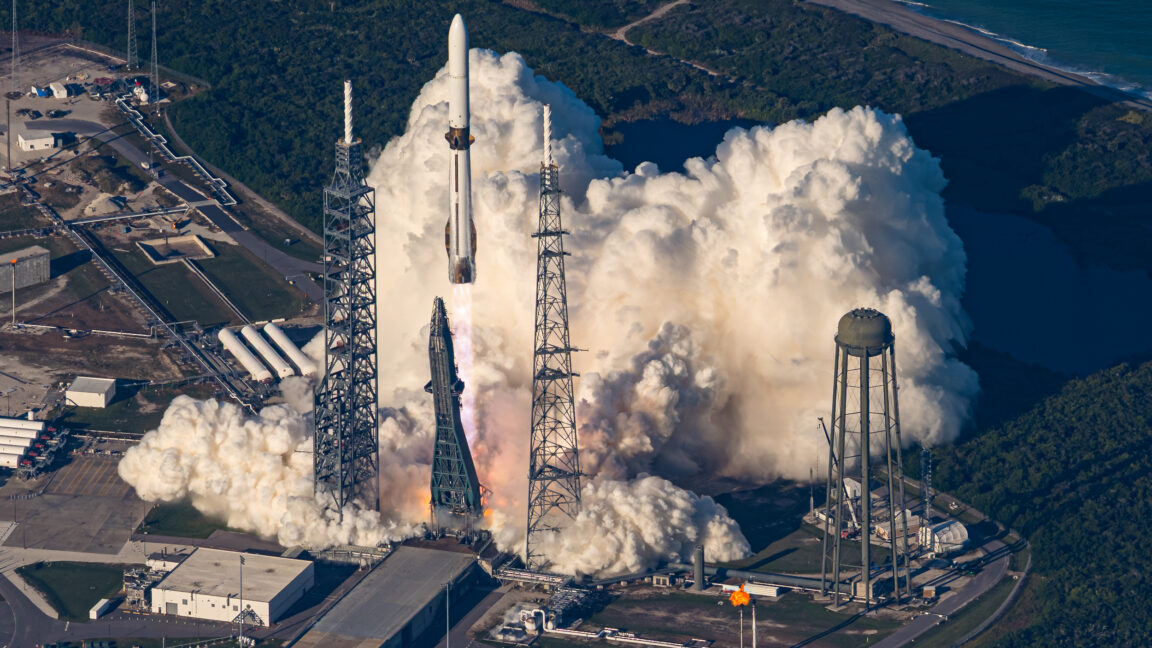
6 days agoBlue Origin cleared to fly New Glenn mega-rocket after April mishap | TechCrunch
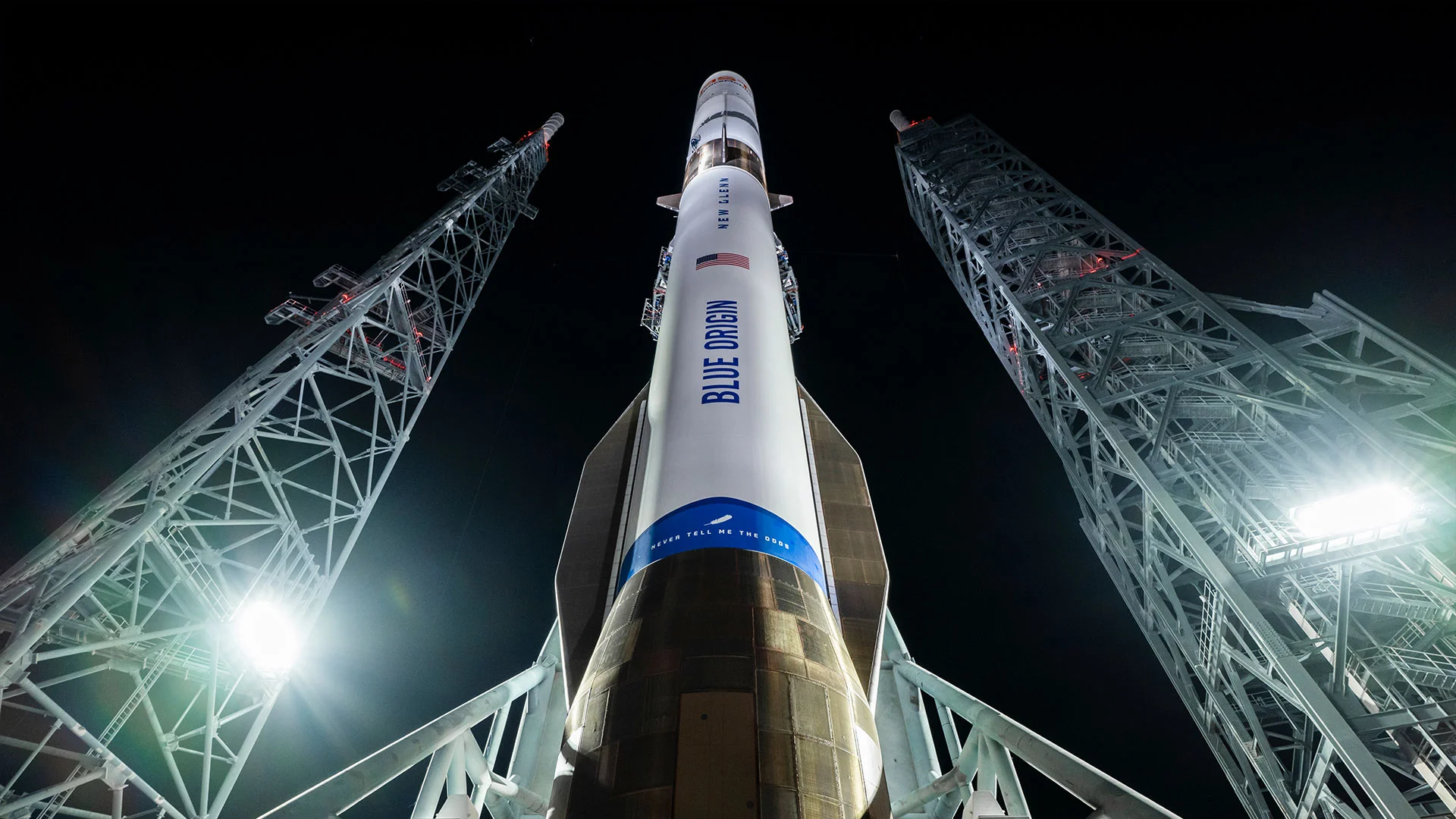
Blue Origin said Friday that the Federal Aviation Administration has cleared the rocket to fly again after the upper stage failed to deliver a commercial payload during an April launch. Blue Origin didn't offer much detail, but said in a post on X that the New Glenn upper stage "experienced an off-nominal thermal condition" that caused one of the three rocket engines to produce lower-than-expected thrust. As a result, the AST SpaceMobile satellite that Blue Origin was supposed to put into orbit instead burned up in Earth's atmosphere instead.
Science
fromFast Company
1 month agoWhat's going on with AST SpaceMobile? Blue Origin mishap sends ASTS stock tumbling
The New Glenn's payload was AST SpaceMobile's BlueBird 7 satellite, which is part of a constellation the space-based internet provider is building to deliver broadband internet to smartphones on Earth.
Venture
fromwww.independent.co.uk
2 months agoTiny UK island's residents first in line to watch rocket launches
SaxaVord Spaceport on Unst is gearing up for its inaugural test launch in the coming months, featuring a rocket developed by German firm RFA. The Shetland Islands facility has confirmed a limited number of viewing passes for a designated remote area, which will first be offered to Unst's approximately 600 inhabitants.
UK news
fromTechCrunch
7 months agoStoke Space's $510M round shows the future of launch belongs to defense | TechCrunch
Just a few years ago, space startups were selling investors on visions of a rapidly expanding commercial market for weather monitoring, broadband, and remote-sensing satellites. Astra, for example, told investors in its 2021 SPAC deck that it would eventually launch hundreds of rockets per year to serve a growing small satellite market. Relativity Space pitched investors on a 3D printing revolution that would make rockets cheap enough to unlock large commercial demand.
Startup companies
[ Load more ]