#social media addiction
#social media addiction
[ follow ]
#social-media-addiction #meta #youth-mental-health #mental-health #child-safety #instagram #youtube #legal-trial
Digital life
fromTechCrunch
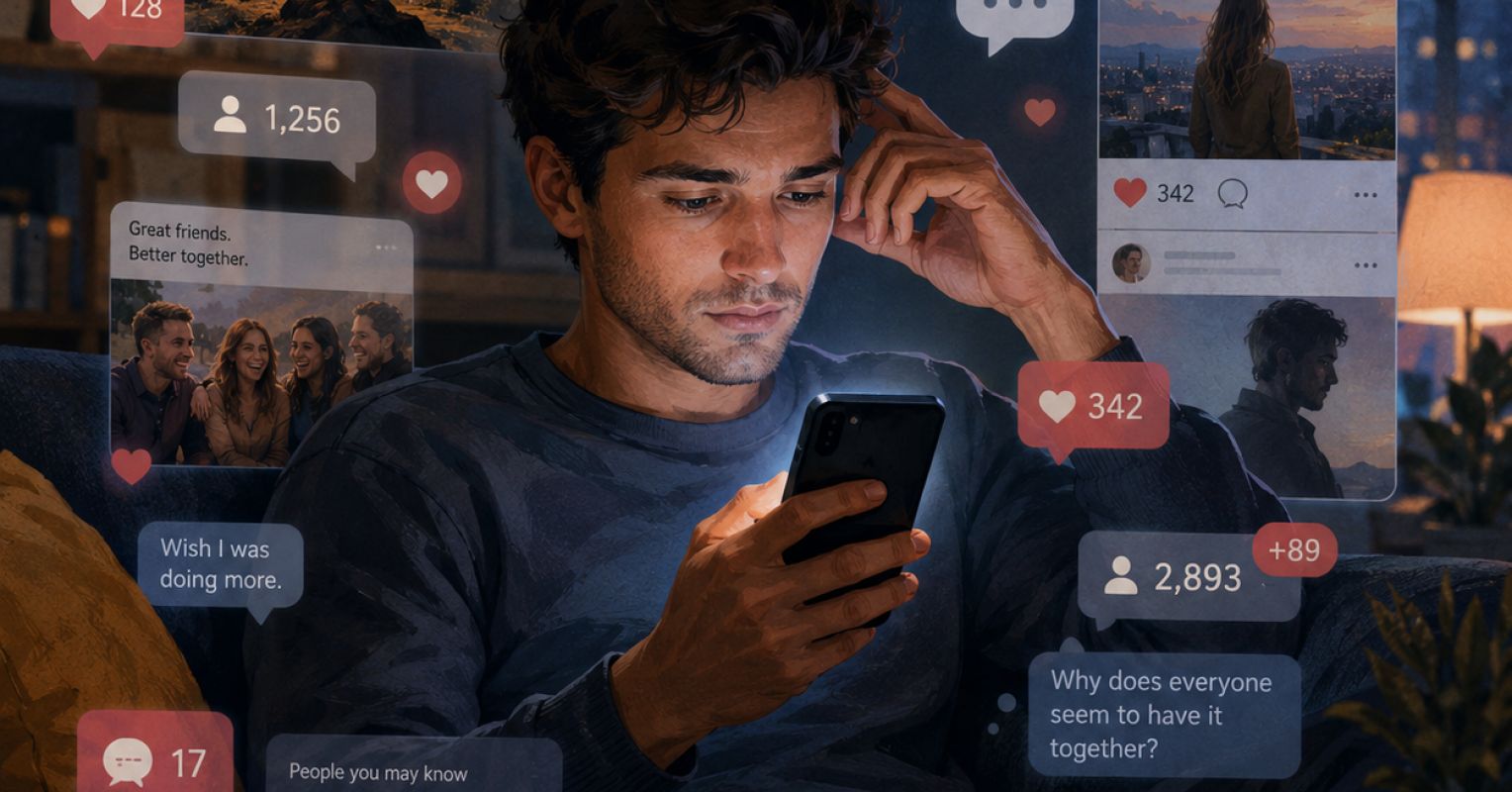
2 months agoApps to distract you from the endless cycle of doomscrolling | TechCrunch
Doomscrolling affects 64% of Americans and negatively impacts mental health, attention span, sleep, and emotional well-being, but alternative apps like Radio Garden offer engaging alternatives to endless social media scrolling.
Digital life
fromenglish.elpais.com
2 months agoBreaking free from smartphone addiction: Defensive tactics against those tricky algorithms
Tech companies use manipulative tactics and surveillance to trap users in their platforms, creating widespread anger about digital exploitation and the need for regulatory intervention.
#meta-litigation
Social media marketing
fromFast Company
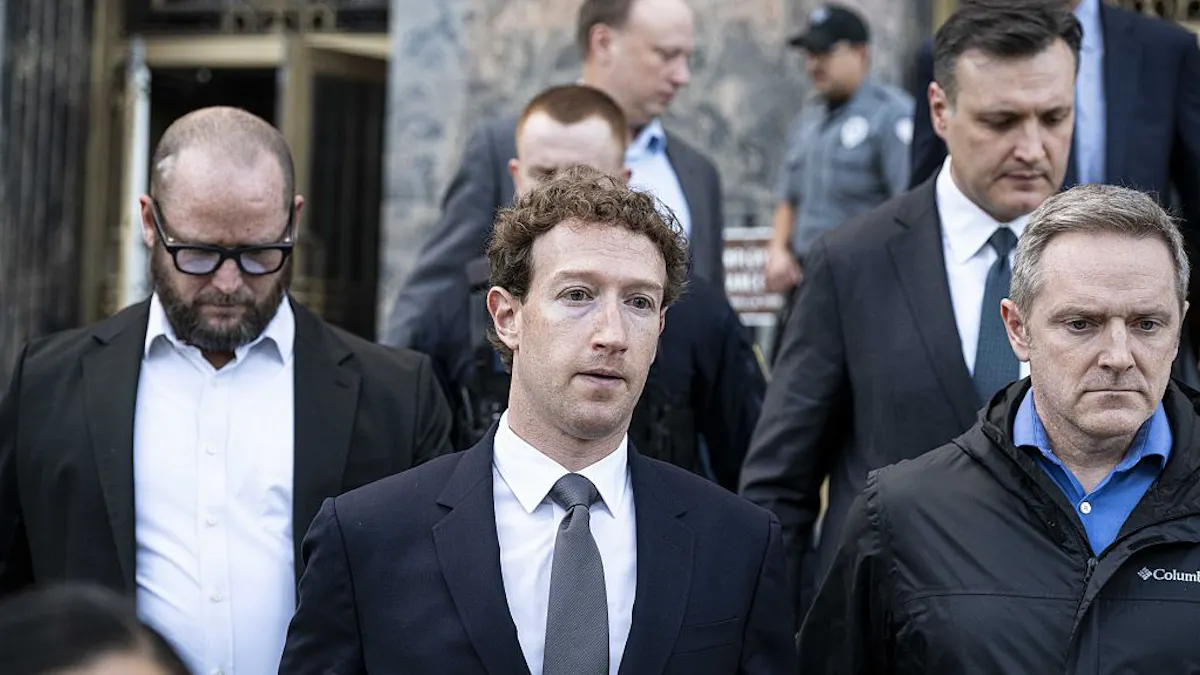
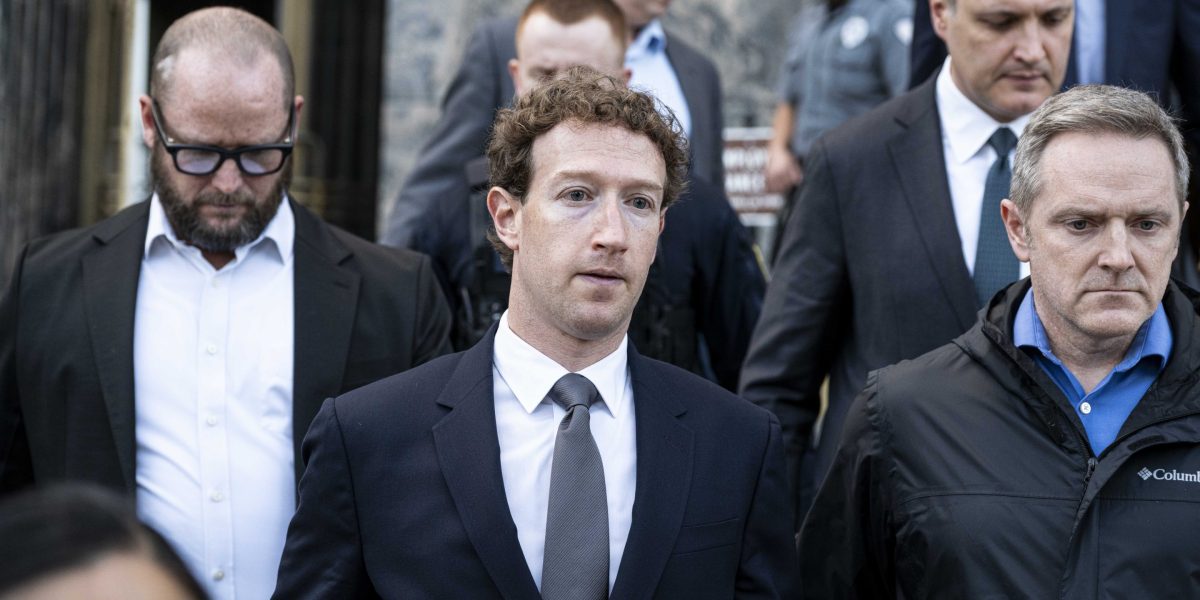
2 months agoMeta CEO Zuckerberg takes issue with the word 'addictive' in deposition shown at landmark trial
Meta CEO Zuckerberg testified that Facebook and Instagram set engagement goals to increase teenage user time while internal research documented addictive features and harms to young users.
Social media marketing
fromFast Company
2 months agoMeta CEO Zuckerberg takes issue with the word 'addictive' in deposition shown at landmark trial
Meta CEO Zuckerberg testified that Facebook and Instagram set engagement goals to increase teenage user time while internal research documented addictive features and harms to young users.
Social media marketing
fromFortune
2 months agoSocial media companies are fighting the 'age verification trap' as collecting biometrics on kids violates privacy rights | Fortune
Social media platforms are implementing biometric age verification systems that paradoxically compromise user privacy while attempting to reduce childhood addiction through regulatory compliance.




fromwww.mercurynews.com
3 months agoWhat to watch: Don't Die' harpoons our social media addiction
Good Luck, Have Fun, Don't Die: Gore Verbinski's mad, mad, mad epic is angry, angry, angry. And with good reason. The apocalyptic dramedy shoots its poison-tipped arrows at two of the most deserving targets in America right now: our addiction to social media and our willingness to let AI assume command of our lives. Both trends get eviscerated, trashed and stomped on (this is by no means a subtle film) in cathartic ways.
Film
[ Load more ]