Mental health
fromPsychology Today
1 week agoStrange New Wounds in US Soldiers Who Never Saw Carnage
Trauma can result from imagining destruction and remote killing, leaving psychological wounds that require care for memory and intrusive thoughts.
been ignored, neglected, minimized, or dismissed by mainstream psychology but can no longer be denied or avoided without serious consequences. As C.G. Jung (1961) presciently put it, "Today we need psychology for reasons that involve our very existence. . . . We stand face to face with the terrible question of evil and do not even know what is before us let alone what to pit against it."
It started off as a normal Tuesday. On 25 March 2025 I reviewed applications from university students applying for a summer research position at my lab. I told friends I would bring pastries from Harvard Square for the Friday dinner we were planning. I finalized my schedule for an upcoming child development conference. I worked on my dissertation proposal. The day was busy but not unusual until I left home after quickly dressing for an iftar dinner at the interfaith center.
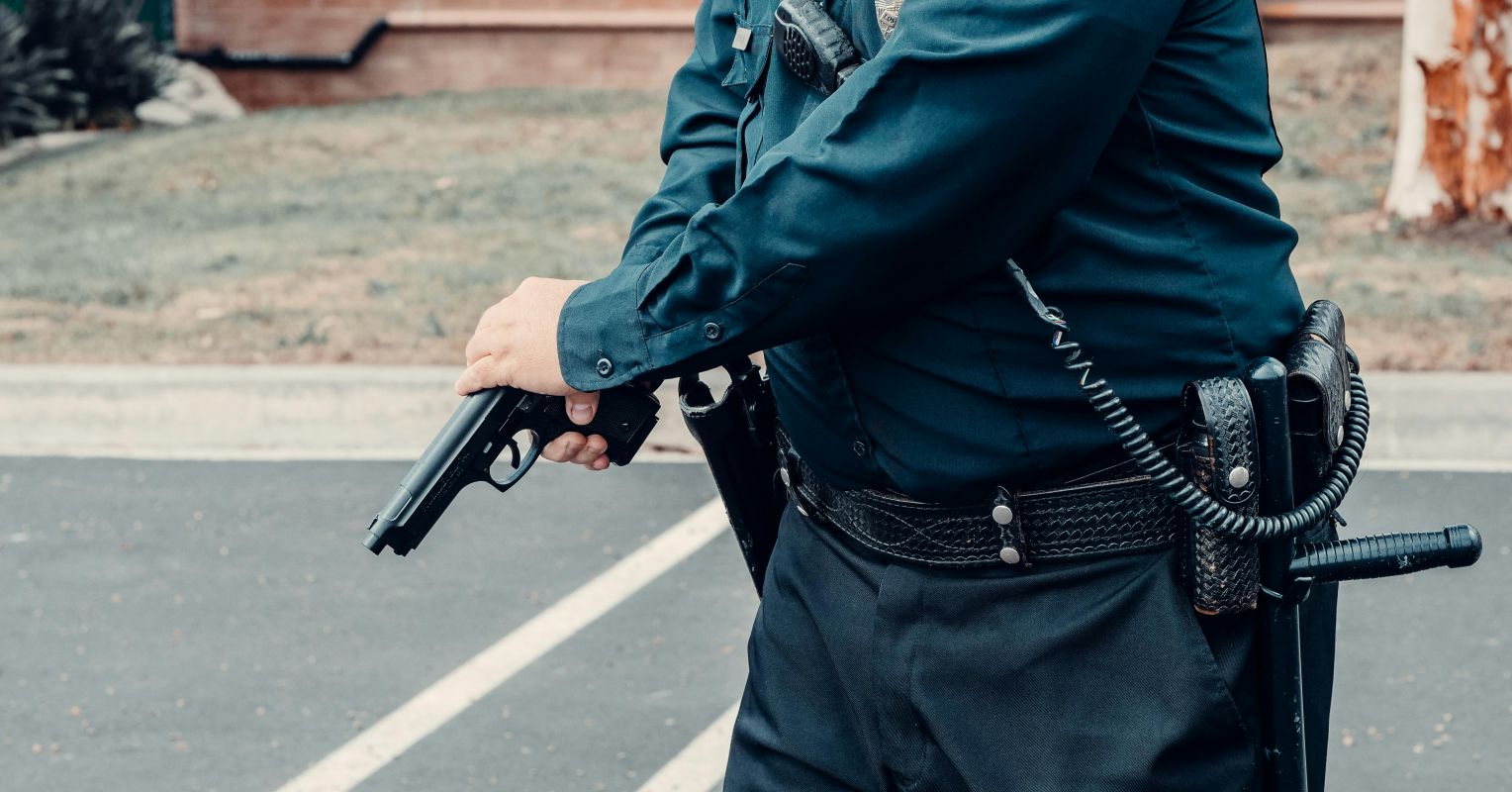
NPR Investigations correspondent Tom Dreisbach sat down with two officers who defended the Capitol Michael Fanone and Daniel Hodges to watch their police body camera footage from Jan. 6. Both were subjected to some of the most brutal violence of the day, inside a tunnel where police were outnumbered by rioters armed with flagpoles, stun guns, crutches, stolen police shields and chemical sprays. Fanone, Hodges and other officers say that Trump's mass pardon of Jan. 6 rioters has exacerbated the trauma of that day.
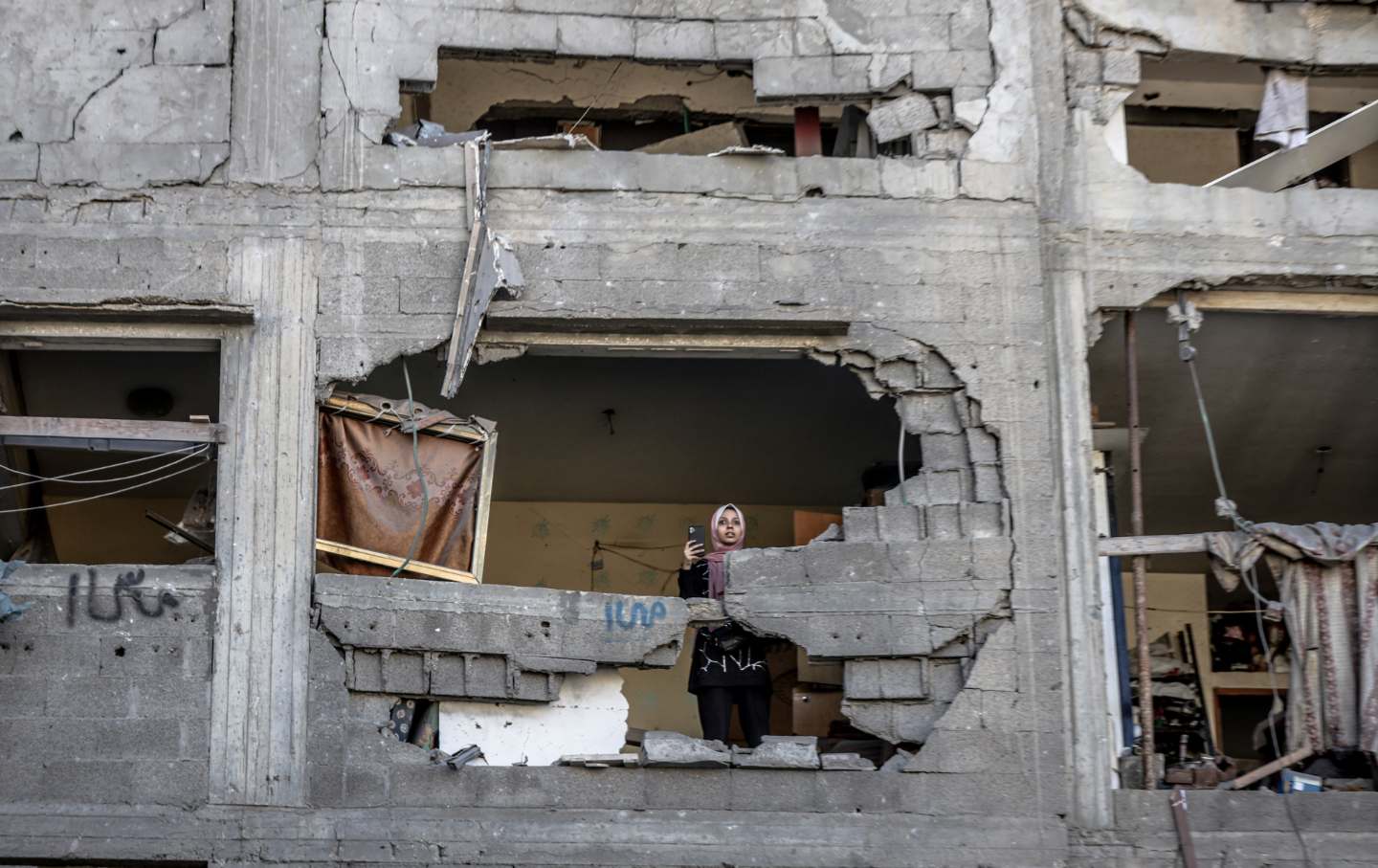
Now working with MSF in Ireland, Mughessib recently reflected on what it means to leave everything behind: You have nothing but your clothes, a mobile phone, a charger, and some money. You're not allowed to take souvenirs of Palestine. Not even sand. When you cross the border, you realise you've lost everything ... My soul is there. My memories are there. My cat is there.
For Jeanitta McCabe, the word kneecap conjures not a rap trio on stage but a memory that plays in her head, unspooling again and again in a loop. It is the night of 13 September 1990 and she is a 10-year-old at home in bed in Newry, County Down, when Northern Ireland's Troubles come barrelling through the family's front door. Six to eight men in masks storm into the two-storey council house and march her father, Peter, into the kitchen.