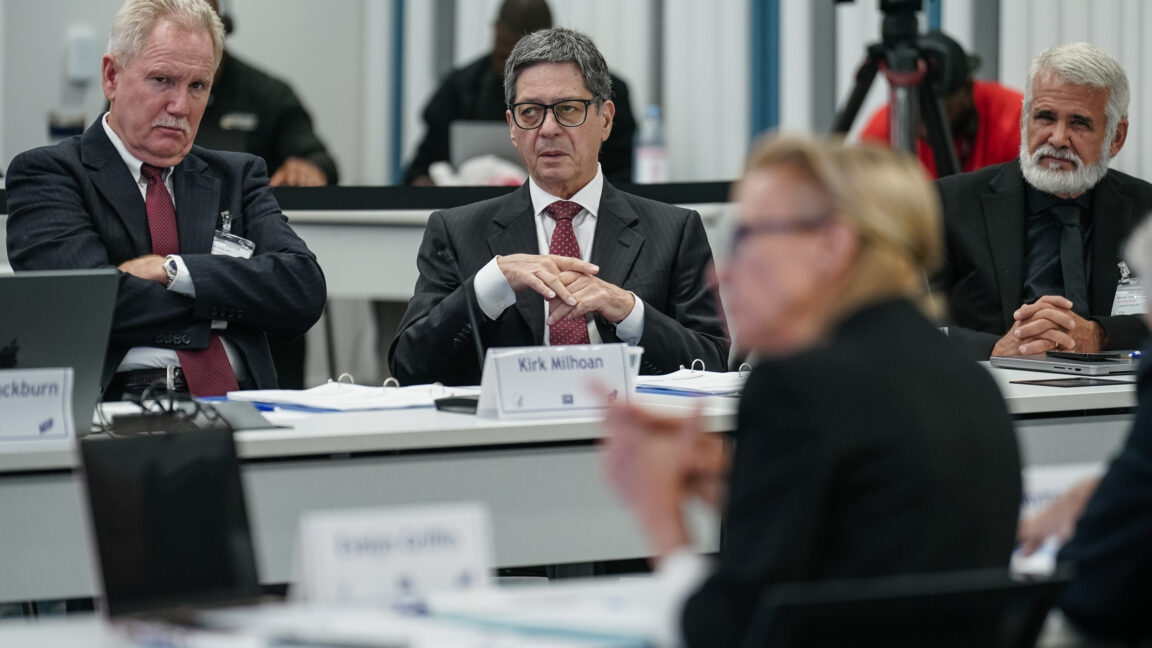
I am particularly worried about the immunisation programme. If there is a disruption, the success we have achieved in immunisation will be jeopardised.
I am open-minded; I believe in integrative practices, and I agree that the medical establishment can be arrogant and unduly influenced by the pharmaceutical industry, which now funds so much of medical research. But I fully understand Scherer's frustration with his interminable discussions with Kennedy about scientific articles.
In children below the age of five, whose immune systems are still developing, the infections can lead to malnourishment; they cause up to 42,000 deaths annually. Soon there may be a vaccine to protect against these infections. In the Lancet Infectious Diseases last month, scientists shared the results of the first study to evaluate the safety and efficacy of an ETEC-controlling vaccine in a large pediatric population in Gambia.
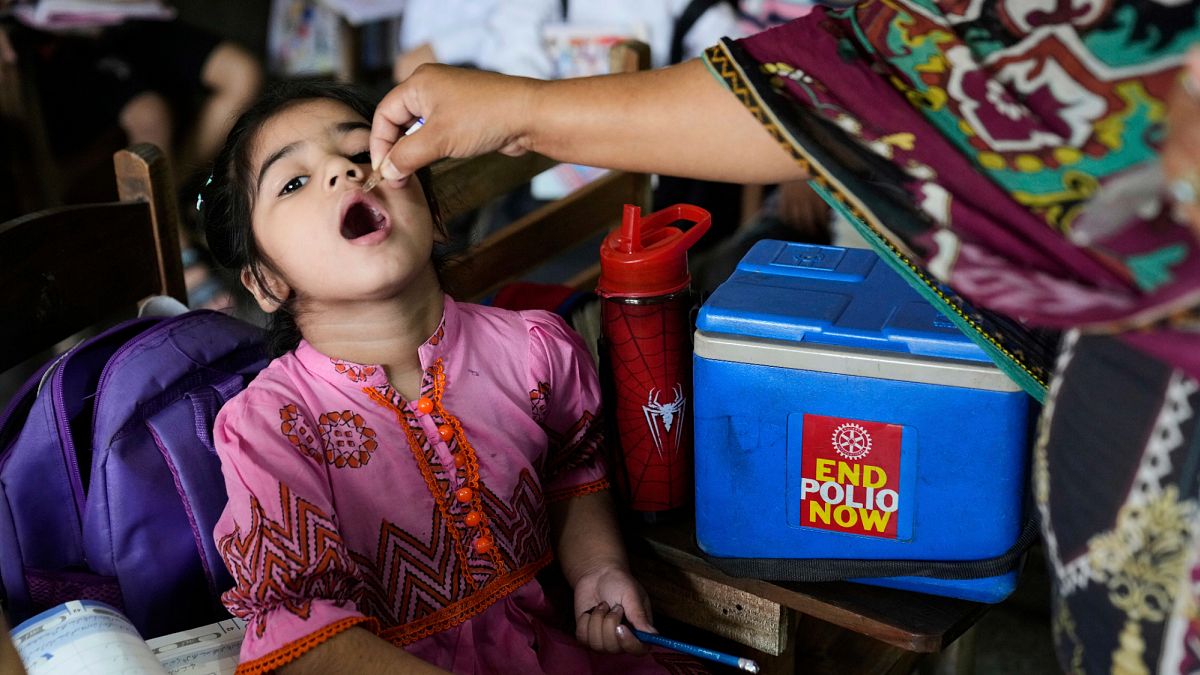
The effort in Malawi, one of the world's poorest countries and badly hit by the aid cuts, has seen an astonishing 1.3 million children already vaccinated against the disease in just four days after emergency supplies were airlifted in by the World Health Organization (WHO) just over a week ago. Malawi declared the outbreak after the virus was detected in two environmental samples taken from two sewage plants in Blantyre, the country's second-largest city and where the only known victim lives.
The World Health Organization announced in late January that six European countries: the United Kingdom, Spain, Austria, Armenia, Azerbaijan and Uzbekistan had all officially lost their measles elimination status, which means the virus has been circulating continuously in those countries for more than 12 months.