#philosophy-of-mind
#philosophy-of-mind
[ follow ]
#consciousness #neuroscience #artificial-intelligence #psychedelics #language-models #epistemology #panpsychism
#consciousness

Philosophy
fromPsychology Today
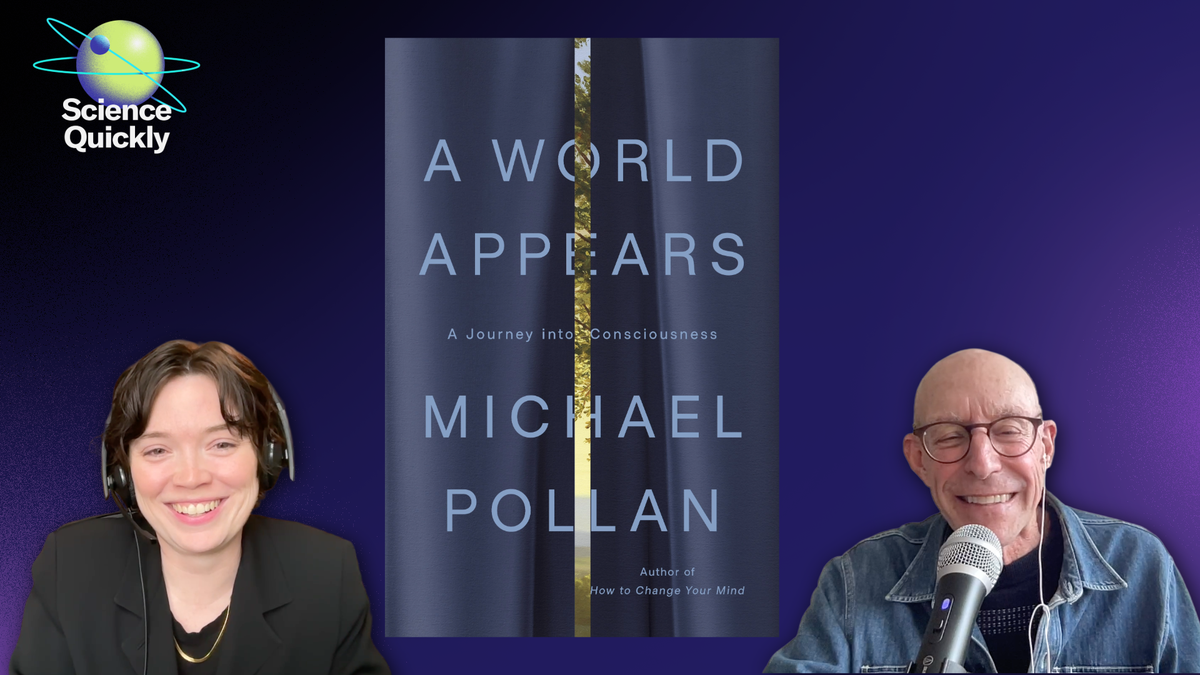
2 months agoCan Science Explain Consciousness?
Michael Pollan explores consciousness through examining plant sentience, AI potential consciousness, thought generation, and the nature of self, while acknowledging science may not definitively answer these fundamental questions.
Philosophy
fromBig Think
2 months agoConsciousness may be more than the brain's output - it may be an input, too
Consciousness remains scientifically inaccessible through third-person observation, yet a radical theory proposes consciousness can physically influence brain dynamics and leave measurable traces.
Philosophy
fromPsychology Today
2 months agoCan Science Explain Consciousness?
Michael Pollan explores consciousness through examining plant sentience, AI potential consciousness, thought generation, and the nature of self, while acknowledging science may not definitively answer these fundamental questions.
fromApaonline
3 weeks agoWhy We Should Be Reading Paul Churchland Right Now: Neurophilosophy and AI
Paul Churchland is a naturalistic philosopher who has written widely on philosophy of science, philosophy of mind, epistemology, and philosophy of language. His primary focus has been on the neurosciences, particularly engaging with insights from artificial neural networks since 1986.
Philosophy


fromBig Think
5 months agoCan neuroscientists read your mind?
In philosophy, physicalism is the idea that everything can be explained in physical terms. Whether through atoms, electrons, quarks, fields, or other physical processes, physicalism holds that every phenomenon ultimately depends on the physical world. In the philosophy of mind, this means that everything about the mind can, in principle, be explained by the physical processes of the brain. We don't yet know all the details, but physicalism maintains that a complete explanation is possible.
Philosophy
fromThe Conversation
5 months ago'Simulation theory' brings an AI twist out of 'The Matrix' to ideas mystics and religious scholars have voiced for centuries
In the most talked-about film from the final year of the 20th century, " The Matrix," a computer hacker named Neo finds that the world he lives and works in isn't real. It's a virtual reality, created by artificial intelligence. At the time, the idea seemed like science fiction. In the years since, however, that concept has become an increasingly credible theory: " the simulation hypothesis."
Philosophy

[ Load more ]