#npm
#npm
[ follow ]
#malware #supply-chain-attack #cybersecurity #credential-theft #software-supply-chain #phishing #supply-chain




#cybersecurity



Information security
fromSilicon Canals
2 weeks agoOne maintainer, one compromised laptop: How North Korean hackers hijacked the Axios open source project - Silicon Canals
North Korean hackers compromised the Axios HTTP library by socially engineering its maintainer, publishing malicious versions that exposed sensitive data.

















fromLogRocket Blog
2 months agoHow to solve package validation pain with Publint - LogRocket Blog
Package validation is the process of verifying that your library is correctly structured, configured, and ready to be consumed by others before you publish it. It's not about checking whether your logic works. That's what tests are for. It's about making sure your package metadata, entry points, module formats, and published files all line up so that consumers can install and use it without unexpected runtime errors.
Node JS
fromThe Hacker News
2 months agoCERT/CC Warns binary-parser Bug Allows Node.js Privilege-Level Code Execution
The vulnerability, tracked as CVE-2026-1245 (CVSS score: N/A), affects all versions of the module prior to version 2.3.0, which addresses the issue. Patches for the flaw were released on November 26, 2025. Binary-parser is a widely used parser builder for JavaScript that allows developers to parse binary data. It supports a wide range of common data types, including integers, floating-point values, strings, and arrays. The package attracts approximately 13,000 downloads on a weekly basis.
Information security
fromThe Hacker News
3 months ago27 Malicious npm Packages Used as Phishing Infrastructure to Steal Login Credentials
Cybersecurity researchers have disclosed details of what has been described as a "sustained and targeted" spear-phishing campaign that has published over two dozen packages to the npm registry to facilitate credential theft. The activity, which involved uploading 27 npm packages from six different npm aliases, has primarily targeted sales and commercial personnel at critical infrastructure-adjacent organizations in the U.S. and Allied nations, according to Socket.
Information security







fromThe Hacker News
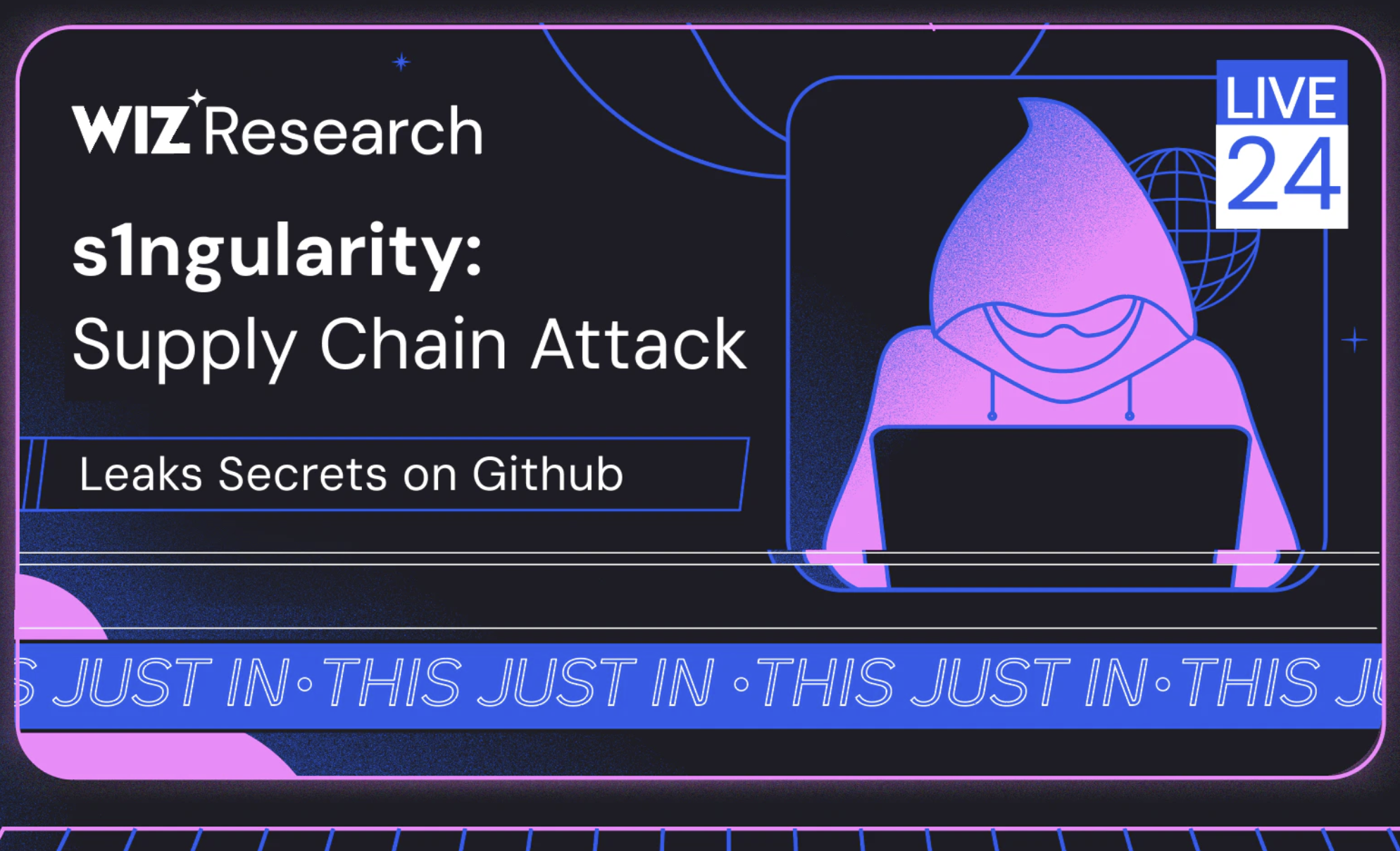
4 months agoShai-Hulud v2 Campaign Spreads From npm to Maven, Exposing Thousands of Secrets
The second wave of the Shai-Hulud supply chain attack has spilled over to the Maven ecosystem after compromising more than 830 packages in the npm registry. The Socket Research Team said it identified a Maven Central package named org.mvnpm:posthog-node:4.18.1 that embeds the same two components associated with Sha1-Hulud: the "setup_bun.js" loader and the main payload "bun_environment.js." "This means the PostHog project has compromised releases in both the JavaScript/npm and Java/Maven ecosystems, driven by the same Shai Hulud v2 payload,"
Science





fromInfoWorld
4 months agoNew Shai-Hulud worm spreading through npm, GitHub
A new version of the Shai-Hulud credentials-stealing self-propagating worm is expanding through the open npm registry, a threat that developers who download packages from the repository have to deal with immediately. Researchers at Wiz Inc. said Monday that in the early stages of the campaign late last week,a thousand new GitHub repositories containing harvested victim data were being added every 30 minutes. And researchers at JFrog identified 181 compromised packages.
Information security
fromThe Hacker News
5 months agoOver 46,000 Fake npm Packages Flood Registry in Worm-Like Spam Attack
The coordinated campaign has so far published as many as 46,484 packages, according to SourceCodeRED security researcher Paul McCarty, who first flagged the activity. The end goal is quite unusual - It's designed to inundate the npm registry with random packages rather than focusing on data theft or other malicious behaviors. The worm-life propagation mechanism and the use of a distinctive naming scheme that relies on Indonesian names and food terms for the newly created packages have lent it the moniker IndonesianFoods.
Information security
Information security
fromThe Hacker News
5 months ago10 npm Packages Caught Stealing Developer Credentials on Windows, macOS, and Linux
Ten malicious npm packages deliver a multi-stage information stealer using obfuscation, fake CAPTCHA, IP fingerprinting, and a 24MB PyInstaller payload targeting Windows, Linux, and macOS.



Information security
fromThe Hacker News
7 months agoMalicious npm Packages Exploit Ethereum Smart Contracts to Target Crypto Developers
Malicious npm packages used Ethereum smart contracts to hide commands and deliver downloader malware, leveraging GitHub repositories to lure developers and evade detection.
[ Load more ]